We live in an era where a K-pop group can no longer fit neatly under the label of “artist.” A group is not just someone who sings and dances. It is also recognized as a brand. Through visual symbols like the group name, logo, and each album’s concept and design, they build a cohesive image that lives in the public and the fandom. From that image, they branch out into offline experiences and values that fans can actually feel.
When you see the letters NCT, certain things come to mind right away. That neon lime green. Music that feels a little cryptic but still sticks in your head. No matter what kind of music they make, no matter how they show up, it gets summed up as “neo,” and it works. That power comes from the strong branding they have successfully built. Their distinctive branding started with one keyword: expansion. The core concept of “expanding the group” shapes NCT by expanding the music they can pull off and expanding the ways they can present themselves.
In 2025, the range of what “NCT” can feel like got bigger than ever. NCT WISH kept building their own lane with bright, bouncy sound and color. NCT DREAM strengthened their identity through coming-of-age storytelling. NCT 127 met fans with fully realized performances. WayV, through a winter special album, made the season itself feel new. And alongside all that group activity, the members’ solo releases stood out, too. Each one brought a distinct color and a different kind of depth, making the NCT world feel richer and more complete. Focusing on albums released in Korea, here are five solo projects that pushed NCT’s image wider through each artist’s individual charm.
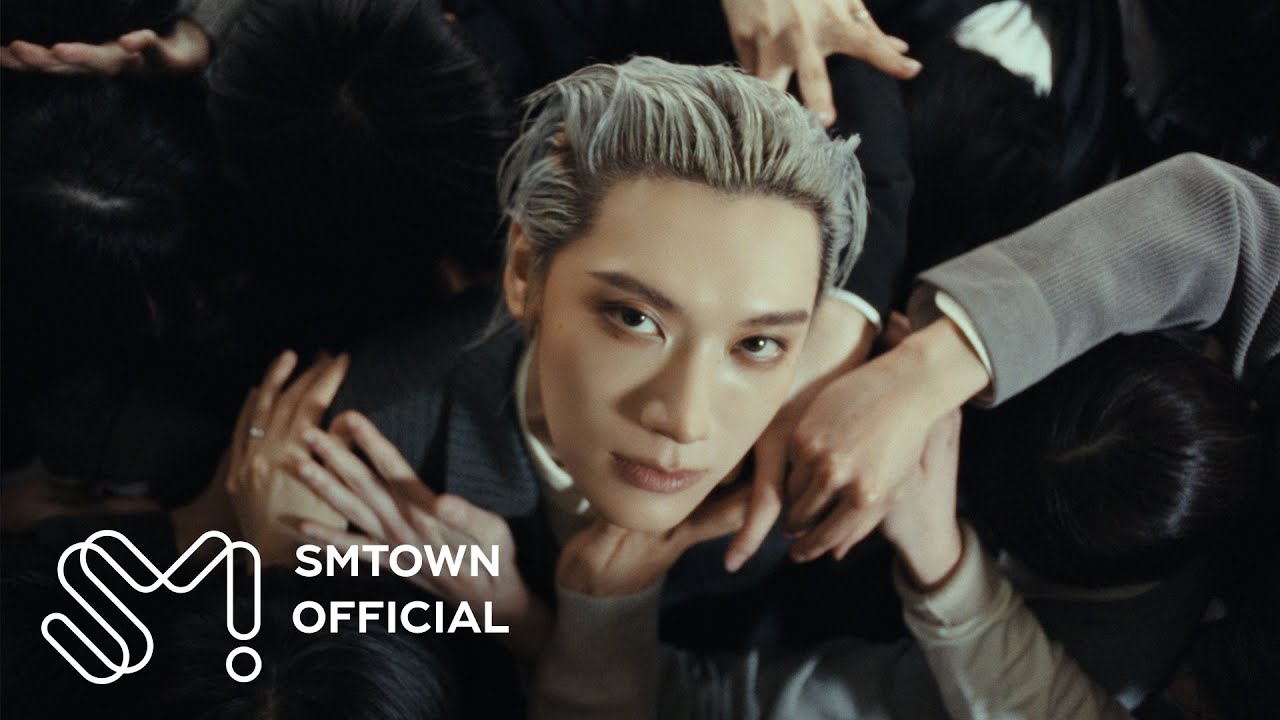
TEN’s Movement: TEN “STUNNER - The 2nd Mini Album”
“Dream in a Dream,” released in 2017, offered a glimpse of what TEN looks like when he commands the stage alone. He was refined, elegant, and fluid. TEN has carved out a world of his own through a distinct artistic aesthetic. His second mini album, “STUNNER,” shows just how far that aesthetic can stretch. His movement is more than choreography. It becomes an artistic act that carries each song’s message through his whole body.
What makes this album really pop is the hard mood swing from track to track, and the visual stimulation that contrast creates. Some songs come in with pounding beats and all-out energy. Others pull back and settle into something looser, hazier, and more chill. Instead of forcing everything into one genre, “STUNNER” lets you see different sides of TEN. On the fast tracks, you can almost picture him slicing through the air with sharp, straight lines. On the slower ones, his movement feels softer and more curved, rolling like waves. “STUNNER” does not hand you one fixed image of who TEN is. It keeps inviting you to picture him in new ways, track after track. By the end, the message is clear: TEN’s range is nearly limitless.

MARK’s Fruit: MARK “The Firstfruit - The 1st Album”
MARK’s first solo studio album, “The Firstfruit,” plays like an autobiography. He splits it into clearly defined chapters, and between them he weaves the story of his childhood. He layers in his thoughts and philosophy, too, so by the time you reach the end, you are seeing MARK not only as an artist, but as a person. Each chapter is named after a city he has lived in. The first chapter, “Toronto,” opens with his parents’ story, the roots he inherited from them, and the way that foundation shaped him. In “1999,” the grand orchestral sound stretches out like an open landscape, as if celebrating his birth. From there, the story unfolds in the order of the cities he moved to. In “New York,” his first move, intense hip-hop tracks follow, capturing that sense of confusion. In “Vancouver,” the city that shaped his values, the sound becomes more emotional, pulling you back in time. Finally, in “Seoul,” you hear the many sides of who MARK is today, from the kinetic energy of “+82 Pressin’ (Feat. HAECHAN)” to “Too Much,” which starts with piano and then builds into a layered track with electronic sound.
One detail that really stands out is where the interlude (“Mom’s Interlude”) lands, late in the tracklist. On the surface, it bridges into the final song, “Too Much.” But it also does something bigger: it hints that MARK’s story is not finished, and his music is still growing. So, what does a fruit tree raised in rich soil become? You cannot say it for sure, but you can still feel what it might become.
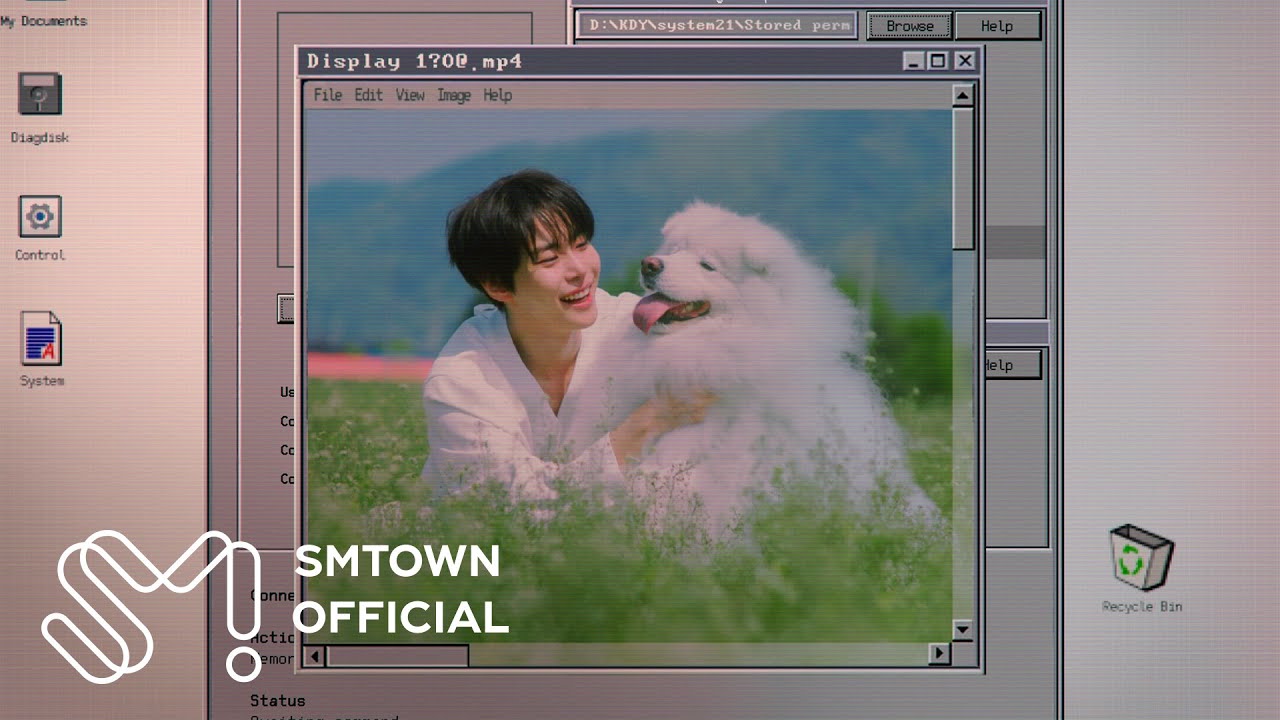
DOYOUNG’s Time: DOYOUNG “Soar - The 2nd Album”
When he carries a track alone, DOYOUNG comes through with a freshness so bright it can feel almost overwhelming, in the best way. Part of that comes from the sound he leans into: band-based arrangements with instruments carefully layered, and melodies built to make that kind of sound come alive. At first, that might seem like the whole explanation. But in DOYOUNG’s music, and especially on this year’s “Soar,” there is also the time he has built up.
DOYOUNG lays out his timeline by staying in conversation with the music he grew up on. Voices that helped shape his world, Kim Jong-wan of NELL, Kim Yuna of Jaurim, and Yoon Do-hyun of YB, step in and anchor the album in his past. From there, DOYOUNG uses that history as a runway, fastening his own voice to it and lifting toward the future. On guitar-driven rock tracks, he lets emotion burst at full volume. On songs built simply around strings and piano, the arrangement falls back so his voice can sit front and center. Follow the album from the title track, “Memory,” to the closer, “Eternity,” and a clear line comes into view: the past where he grew up with music, the present where he speaks to fans through it. By the time it ends, it leaves a real sense of anticipation for what comes next. He sings, “There are things that time can never overcome,” but the irony is that the one thing that can stand up to time is the time he has already put in.
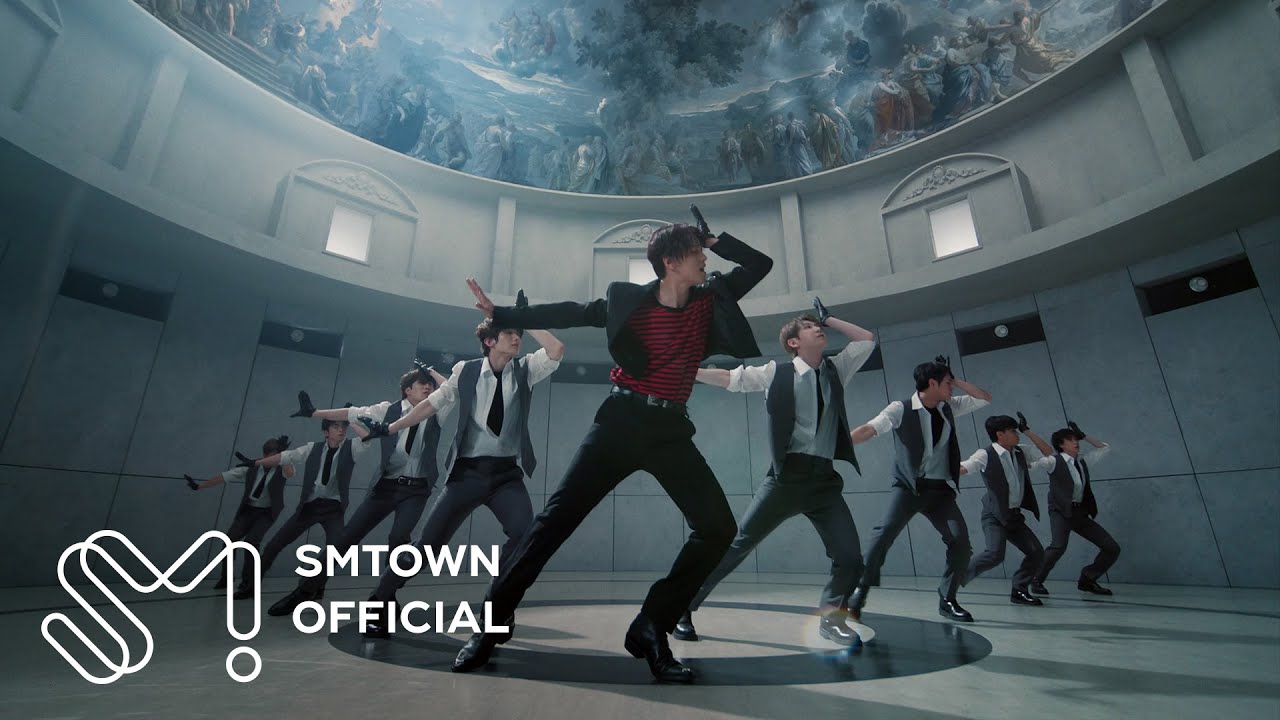
HAECHAN’s Taste: HAECHAN “TASTE - The 1st Album”
Across NCT 127 and NCT DREAM, HAECHAN has shown he can move comfortably across genres. He is not just a vocalist who shines in one style. His real strength is range. But his first solo album, “TASTE,” takes a different approach. Instead of spreading out, it zooms in, putting R&B and soul front and center, making his personal taste part of the point. And within that lane, his versatility only gets deeper. He travels through different eras of R&B with ease, from classic Motown-tinged nostalgia to sleek modern sounds. HAECHAN sings freely across time, shifting with variations.
The title track “CRZY” rides a funky groove, with a sharp guitar riff cutting through the beat and a hint of Michael Jackson in the air. “ADRENALINE” reworks crunk, the style that took over the late 1990s and early 2000s club scene and gives it a modern twist. “Roll With Me” taps into 1970s soul nostalgia, while “Should Be” leans into a 1990s slow jam. On “Grey Rain,” a calm, alternative R&B backdrop lets HAECHAN’s voice take the lead. Across “TASTE,” he stays in one lane but goes deep, turning versatility into something more personal: taste depth.

JUNGWOO’s Magic: JUNGWOO “SUGAR”
JUNGWOO’s first solo single, “SUGAR,” is built to hit all five senses. The groovy, bouncy melody and the sticky hook, “Won’t you be my sugar,” catch the ear right away. Visually, it comes in pastel tones that sparkle like a dusting of glitter, adding a bit of eye candy. The word “SUGAR” instantly brings sweetness to mind, almost like the scent of cotton candy is right there in the air. And with that, it is easy to imagine the soft, fluffy texture too, as if it is brushing against your fingertips. Together, the song becomes a full sensory experience.
“SUGAR” was released in late November, just as the air started to turn sharp and early winter set in. But the song feels like a spring breeze showing up early, wrapping everything in warmth. That is the real sweet magic here: it makes the cold fade out, and it turns JUNGWOO’s natural gentleness into something you can hear.