With their fluid, high-register vocals, vividly cinematic lyrics, and a tightly knit ensemble that breathes in step with shifting emotions, Saucy Dog announced its arrival with quiet confidence—crafting melodies that linger long after a first listen. From the moment the band stepped into the mainstream with the title track “いつか” from its first mini album in 2017, Saucy Dog felt like a band already reserving its place among the rock stars of the future. That impression only deepened with the breakout success of “シンデレラボーイ” in 2021—a moment that signaled, clearly and decisively, that their time had come. Singing of hardship and wounds while steadfastly affirming that life remains worth living, Saucy Dog has steadily established itself as one of the defining bands of its generation. Fresh off an Asia tour, the trio now sets its sights on an even larger horizon: its first-ever dome show. I sat down with the band to discuss where they stand today—and where they hope to go next.
It had been about a year since your last performance in Korea at “WONDERLIVET 2024” and, on November 8, you returned for your first-ever solo concert here. How did it feel to wrap up the show?
Shinya Ishihara (“Ishihara”): Korean fans are incredibly passionate, and that energy really carried us through the night—it allowed us to enjoy the show to the fullest.
Kazuki Akizawa (“Akizawa”): It was amazing.
Yuika Seto (“Seto”): You could truly feel how much the audience was enjoying themselves, and that made me genuinely happy. It definitely made me want to come back again.
When putting together the setlist, you must have weighed a number of factors. You performed several songs that differed from your recent Japan tour—were there any particular challenges or points of deliberation in terms of song selection or sequencing? And was there a song you felt you absolutely had to play for your Korean fans this time? If so, why?
Ishihara: I asked our Korean fans on Instagram Stories which songs they wanted to hear, and we used their responses as a guide when selecting the songs and shaping the setlist. One song I especially wanted to play for our Korean fans was “優しさに溢れた世界で.” I love both Korea and Japan, and I chose it with the hope that people in both countries can be kind to one another.
Seto: The setlist included more ballads than our usual live shows, which felt a bit challenging, but we could tell that everyone knew the songs. Seeing the audience enjoy them made us really happy, and it was also a relief.
Before your official debut, you maintained an extremely demanding live schedule. How do you feel that period has shaped the band you are today? And more broadly, what does the name “Saucy Dog” mean to you?
Ishihara: We played around 120 live shows a year. I think that experience shaped the groove we share as a trio, as well as our resilience and strength as a band. The name Saucy Dog literally translates to “a cheeky dog,” and it was inspired by the playful, slightly mischievous side of Snoopy. We chose the name with the hope of becoming a band loved by people of all ages, all around the world.
Seto: We’ve always worked with the mindset of pushing our live performance as far as it could go. Because of that, it’s not just our live-performing skills that have improved—it’s also given us a kind of toughness that’s become second nature. You could say we’ve become the kind of band that doesn’t break easily, no matter what comes our way.
Since your debut, you’ve consistently chosen to release your music in the form of mini albums rather than full-length albums. Is there a particular reason behind that decision?
Ishihara: A full-length album usually includes around 14 to 16 tracks, which adds up to about an hour to an hour and a half of music. Within the limits of a 24-hour day, we felt that listening to everything isn’t always easy. So we decided to release CDs with seven or eight tracks—about 30 to 35 minutes of music—priced a bit more affordably than a full album.
Seto: Accessibility is the biggest factor. We want people who are hearing us for the first time to be able to approach the music easily and casually.
Slow numbers like “いつか” and “シンデレラボーイ” are widely recognized as your signature songs. Yet when you listen to your albums as complete works, there’s a distinctly rock-driven texture running through them, regardless of tempo. Having such defining songs is clearly a strength, but it can also raise concerns about a band’s image becoming too fixed. How do you see that balance now?
Ishihara: It’s true that our music is often associated with images like “ballads” or “romance,” but looked at another way, that also means we have a clear sense of what people expect from us. Because of that, I think we’re actually able to explore different styles without fear. We want to keep doing our best to earn that choice—to be chosen again and again.
Akizawa: I actually like the contrast. It creates a gap between the records and the live shows—in a good way.
Seto: There was a time when we worried about it, but honestly, we still believe every single song is genuinely good.
Your melodies often feel familiar at first, yet there are moments where they subtly twist, leaving a lingering sense of unease. That tension is part of their appeal. Rather than aiming straight for the center of mainstream appeal, the music seems to arrive by tracing a wide curve from the outside.
Ishihara: It’s not something I’m consciously aware of, but it may come from my background in classical music. I was part of a wind ensemble from elementary school through high school, for about nine years. Classical music doesn’t rely on lyrics, yet it carries an incredibly wide emotional range. I’ve always wanted to create music that can move people in that way.
There seems to be a consistent thread in Saucy Dog’s lyrics—a desire to find a kind of “exit,” a way to affirm life even in the midst of pain. Because your writing feels so closely tied to personal experience, that sense of lived reality comes through with striking clarity. What drives you to write lyrics like that?
Ishihara: I make a habit of recording my emotions—I want to give shape to what I’m feeling. I often think back to moments that left a strong impression, or to the expressions on people’s faces that have stayed with me. Through my lyrics, I want to put words to emotions that listeners may feel but don’t quite know how to express.
I understand that starting with “サニーボトル” in 2022—following “レイジーサン” in 2021—you started handling sound production internally. What led to that shift, and how has taking on production yourselves changed your creative process?
Ishihara: We’d always handled the arrangements ourselves, but I didn’t fully realize just how difficult sound-making could be at this level. Before layering guitars, drums, and bass, everything would sound perfect—but once all the elements came together, it could suddenly feel cluttered. We went through that kind of trial and error many times, and little by little, we learned how to work through it.
Seto: Because we had already been making things on our own, it didn’t feel like a drastic change at first. But it really reinforced the idea that sound-making is the hardest part of the process. There were times we had to re-record tracks as well. In the end, I think those failures became a source of strength for us.
How does communication work during your songwriting and production process? When Ishihara brings in a song, what kind of feedback or ideas do you typically offer?
Akizawa: Sometimes we’ll talk through things like chord choices or progressions.
Seto: More often than not, the songs come in as a foundation rather than something fully finished. From there, we build them up together. We tend to share ideas freely, and much of the final shape comes together through actually playing the songs on site.
You’ve consistently included your own vocal tracks as CD bonus songs, and in 2023, you brought them together in the EP “はしやすめ.” The lyricism—focused on the small tremors of everyday life—felt distinctly different from Ishihara’s writing, and was especially striking in its own right. What led you to decide to release the EP, and looking back, what aspects of the finished work are you most satisfied with?
Seto: I originally made the bonus tracks with the mindset that they were just small extras. Over time, though, they accumulated into songs that felt genuinely meaningful to me, and I wanted more people to hear them. That’s what led me to release them as an EP. Finishing “いつもの帰り道” was the moment that really pushed me to make that decision.
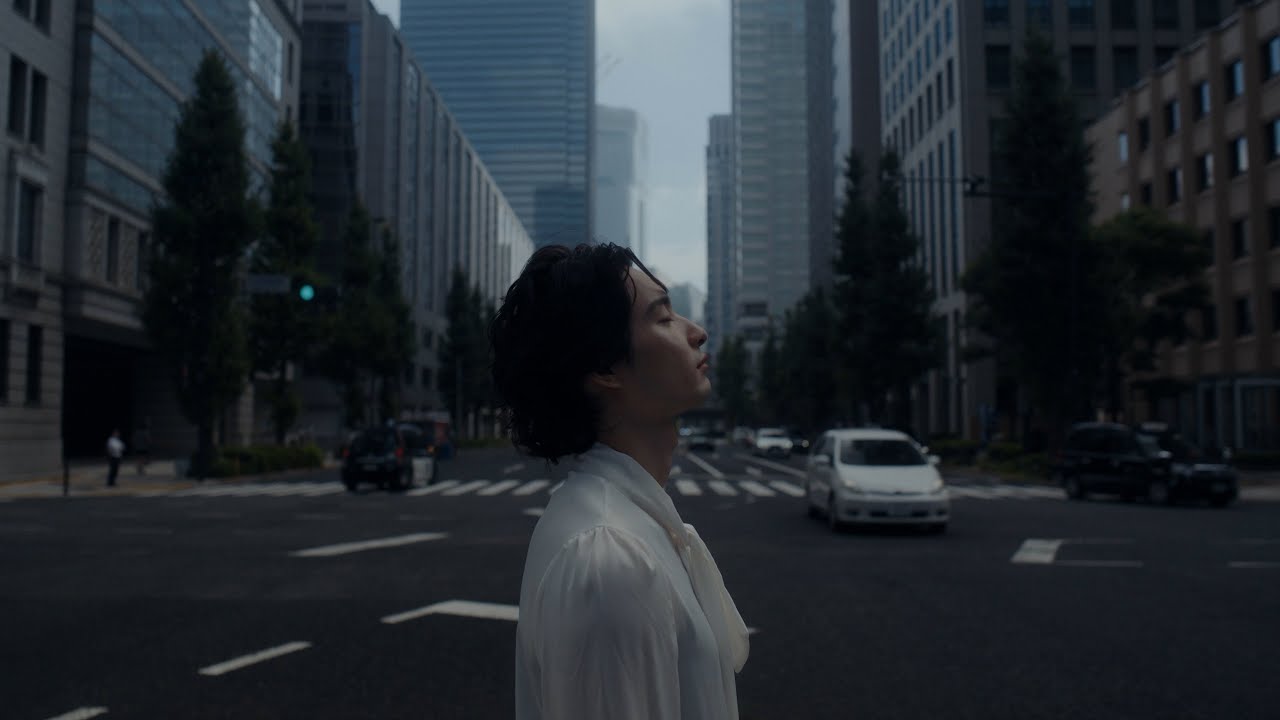
You’ve been actively working on tie-in songs for dramas, films, and anime. Could you walk us through how you typically approach those projects? Also, with many of the tracks on your mini album “ニューゲート,” released late last year, also serving as tie-ins, does your creative process change from song to song in those cases?
Ishihara: Once we receive a request, I start by watching the original work or footage. I try to imagine a song that would make both fans of the project and fans of Saucy Dog happy. With “奇跡を待ってたって,” I was already at home, thinking through a guitar phrase for the A-melody, when the offer came in. After watching the film, I remember thinking during the end credits, “This song fits perfectly.” I played the video on my computer and tried the guitar along with it—the timing matched exactly. Riding that momentum, I finished the song in one go.
Seto: With “コーンポタージュ,” we recorded the instrumental track before there were any lyrics or vocal melodies at all. In the end, a completely different lyrical melody was added—nothing like the mood we had initially imagined.
When working on “ニューゲート,” what were you especially conscious of? Given the title, did the album present any particular challenges—or intentions—that felt like opening a new door for the band?
Ishihara: I’m always thinking about how to keep updating what Saucy Dog can be—versions of us that didn’t exist before—and I feel like “ニューゲート” truly became a completely new chapter. On “poi,” for example, there’s a sense of violence within it—not in a literal way, but in the sense that everyone carries that side of themselves, whether they suppress it or let it surface. And “よくできました” is a song where intensity and tenderness coexist. In that sense, it really does feel like an album that opens a new door.
Seto: I think it’s an album we could only make because we’ve grown a little more mature. On some tracks, like “馬鹿みたい。,” I intentionally stripped the drums back to something simpler. On the other hand, with a track like “poi,” we experimented by layering in a wide range of elements.
On the surface, many of your songs read as love songs, but at their core, they feel like stories of growth. Listeners seem to resonate deeply with the sense of growing pains woven into your narratives. For you, Shinya Ishihara, what does it mean to write a love song?
Ishihara: It feels like my life itself. Of course, there’s an element of imagination involved, but I believe that the very ability to imagine is grounded, at least in part, in lived experience.
The lyrics of “よくできました” feel as though they’re gently speaking to the protagonist of “夢見るスーパーマン.” One of Saucy Dog’s defining qualities is the way your songs hold urgency and encouragement at the same time, drawing from emotions rooted in everyday life. As you move through daily life and observe society, what perspectives or questions tend to stay with you most?
Ishihara: Through my own experiences, I’ve come to understand all of it—the desire to cheer someone on, the longing to be encouraged when things feel painful and overwhelming, and the need to feel recognized. Because of that, I don’t want to divide people into the strong and the weak. I want to stand on anyone’s side.
Seto: I try to live each day with the hope of finding happiness in things that are small, easy to overlook, and simply there—things that exist so naturally we tend to take them for granted.

In the theme song “この長い旅の中で” for the film “52-Hertz Whales,” the dream-pop-leaning guitar tones and expansive sense of space stand out immediately, and the connection to the film seems seamless. When shaping the sound, did you consciously consider the visuals and the world of the film in mind during the production process?
Ishihara: The guitar phrase in the intro and first verse—the seed of the song—already existed, and I’d always thought of it as something that evoked the ocean or water. So when we received the offer to create the film’s theme song, I immediately felt that this had to be the one. As the production progressed, I kept certain images in mind—like sinking deeper into the sea, or making the sound feel almost like a whale’s call. Being conscious of those images helped us elevate the overall quality of the sound even further.
You also released two singles this year. Starting with “スパイス,” the message—“Even life’s bitterness can be just another spice we’ll learn to savor”—leaves a strong impression. Sonically, the track carries a youthful freshness that recalls Spitz, yet feels distinctly filtered through your own sensibility. How did that theme and sound come together during the songwriting process?
Ishihara: The first thing that came to mind was the feeling that, as we grow older, we become increasingly numb to happiness. The small joys that once came naturally to us as children are still there—I think we’re just too busy now to notice them. The more mistakes we make and the more we fail, the more fear tends to creep in. But I wanted to live believing that all of it is simply part of life’s seasoning. I wrote these lyrics because that’s the way I want to live myself.
By contrast, “奇跡を待ってたって” carries a noticeably more cynical edge than your earlier work, and the vocal range feels higher than ever. It sounds especially demanding in terms of expression. Were there any particular aspects you were consciously focused on during the recording process?
Ishihara: In the first verse, I wanted to convey a sense of human vulnerability, so I recorded it without doing any of the vocal warm-ups I would normally never skip. That in itself made the expression challenging. What was even tougher, though, was the chorus. Not only does it sit very high vocally, but in the final chorus, the key shifts up by a half-step, which raised the level of difficulty even more.
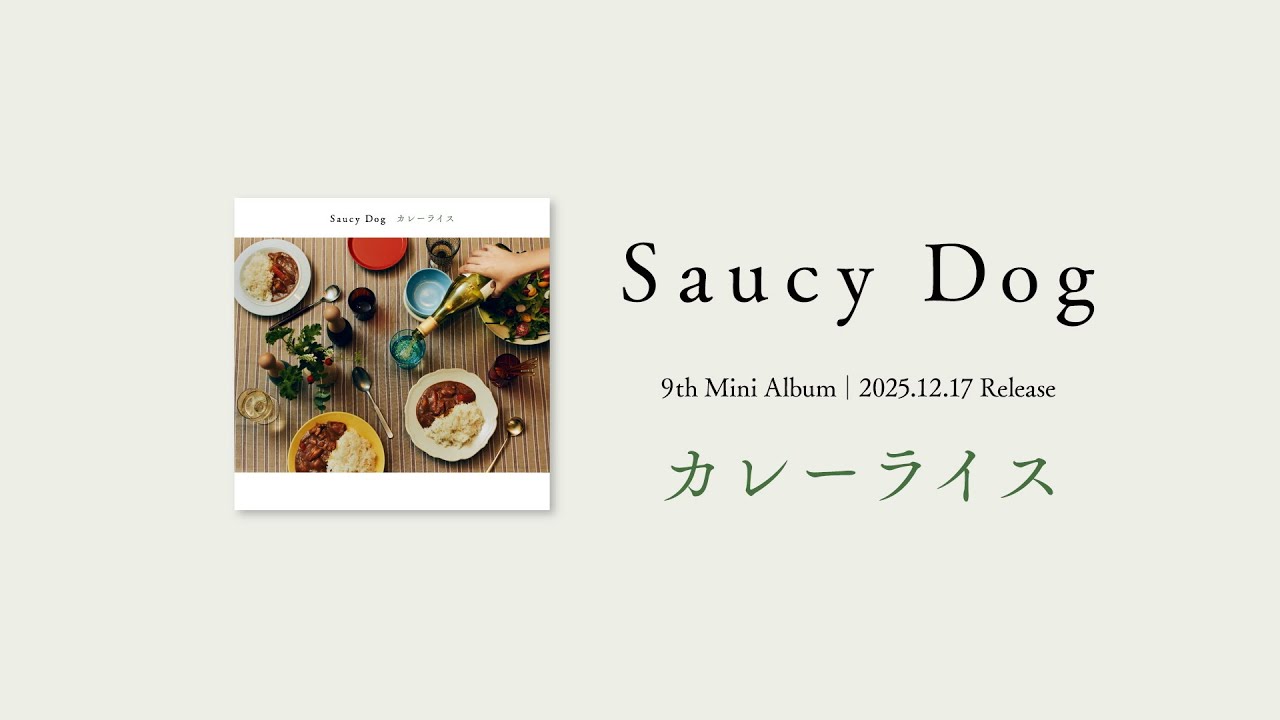
You have a mini album titled “カレーライス” set for release soon (unreleased at the time of this interview). Could you briefly introduce the album and share what you hope listeners will pay particular attention to when they hear it?
Ishihara: Curry rice is something people eat all over the world, and every household has its own version. Whether it’s made with ground meat, seafood, vegetables, or a rich broth, there are endless variations—each with its own flavor and personal touch. In the same way, I hope this album becomes something listeners return to often, something that accompanies their lives and eventually holds memories that are uniquely their own.
Seto: All seven tracks, along with the bonus track, feel completely different from one another. We’ve made a mini album that you can listen to repeatedly without getting tired of it. The way we sing and the textures of the sound change from song to song, so I hope people pay attention to those details as well.
In January, you’re set to perform at Kyocera Dome Osaka, marking Saucy Dog’s first-ever dome show. I understand that, in the past, Ishihara once worked there as a staff member. What does this upcoming performance mean to each of you?
Ishihara: I worked there part-time as a concert staff member, watching countless artists perform—always with a sense of admiration. To return to Kyocera Dome not as staff, but as an artist myself, feels incredibly moving. Holding this show at the very beginning of January, rather than framing it as a “culmination,” is also intentional. It’s our way of saying that Saucy Dog isn’t finished—we’re still moving forward.
Seto: I live nearby, and I’ve been there many times to watch artists I admired—close, yet somehow distant. It still doesn’t quite feel real that we’ll be playing a solo show there, but with that mix of excitement and nerves, I want us to deliver the same kind of live performance we always have.
Finally, what kind of message do you hope to share through your music moving forward—and how would you like to be remembered as artists?
Ishihara: As Saucy Dog—and as Shinya Ishihara—I hope our music can change the world in its entirety, even if only a little. If possible, I want to help create a world filled with kindness rather than conflict. That’s the kind of future I want to see. I hope we’re remembered as a band that delivers love.
Akizawa: I want to make music that stays by people’s side as they move through life.
Seto: I hope to create music that, even if only while you’re listening, can make small anxieties fade away.