Discussions around the 2026 Grammy Awards are naturally abuzz with talk of K-pop. Over the past decade, K-pop has grown beyond a niche popular only with die-hard fans to establish itself as a major force in the US music industry, with chart-topping hits and huge, sold-out tours. When the BTS song “Dynamite” was nominated for the Grammy for Best Pop Duo/Group Performance in 2021, there was even debate about creating a separate K-pop category. No meaningful progress was ever made, though, due to arguments that K-pop could still fit within the existing pop category and because relatively few members of the Recording Academy are familiar with the music. Most important of all, changes to the awards process require official proposals from Academy members. In short, changing the Grammys requires more than just commercial and critical success—there has to be change within the industry itself.
This year, the Grammys could no longer sidestep the K-pop question. K-pop’s influence in the industry has since become more pronounced—collaborations between K-pop artists and their peers around the world have become routine, and many K-pop idols no longer have songwriters and producers from overseas work within the Korean system, instead opting to create music right within US-based creative networks. At the label level, too, there are more and more success stories of taking their K-pop production expertise and applying it to talent abroad. All these factors taken together led to K-pop having a major breakthrough last year. ROSÉ and Bruno Mars’ duet “APT.,” fictional group Huntrix’s hit “Golden” from the Netflix animated film “KPop Demon Hunters,” and KATSEYE’s successful debut all signaled K-pop becoming an integral part of American pop culture. And all were nominated in the major categories for this year’s Grammys. K-pop isn’t just shining a light on culture and dominating commercially but is also being embraced as a major player in a definitive moment in the historical legacy of mainstream art. Regardless of whether the artists take home any awards, there’s been an undeniable shift in what the Grammys take into consideration. And that’s why this isn’t K-pop reaching its peak—it’s the beginning of something entirely new.
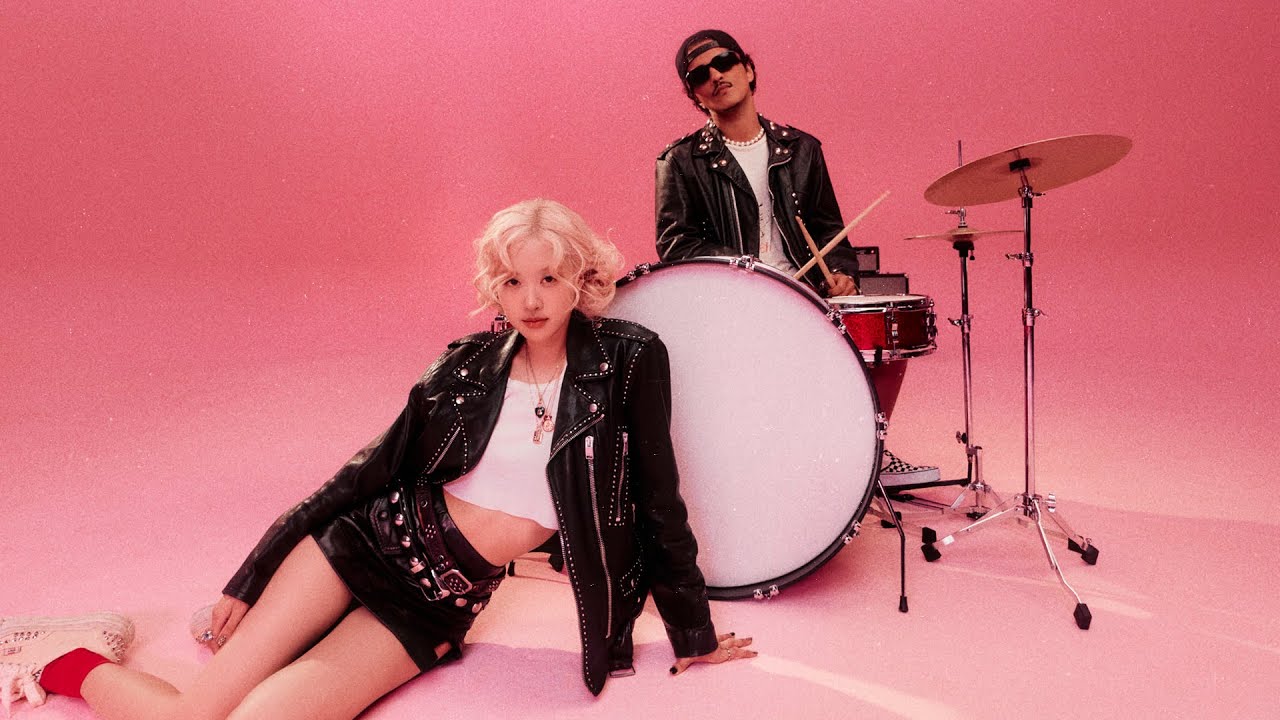
ROSÉ
ROSÉ and Bruno Mars’ hit single “APT.” was nominated in two of the Big Four categories, otherwise known as the General Field: Record of the Year and Song of the Year. They were also nominated for Best Pop Duo/Group Performance. ROSÉ is the first K-pop solo artist to receive a nomination for a Big Four with a song where they’re given top billing. “APT.” is also the first K-pop song to ever be nominated for Record of the Year, and the first, along with “Golden,” for Song of the Year. Members of the Recording Academy are encouraged to focus on their areas of expertise during the voting process, but the six major awards with no restriction on genre that make up the expanded General Field are open for the whole Academy to vote on—which is why being nominated for one is considered the highest honor the Grammys can bestow. So, what exactly is the difference between Record and Song of the Year? Record of the Year celebrates the achievement of the recording itself, meaning the award not only goes to the artist of the track but also to the producers and the engineers responsible for recording, mixing, and mastering it. By contrast, Song of the Year exclusively recognizes the lyrical and melodic craftsmanship, awarding the trophy to the songwriters. In the case of “APT.,” both ROSÉ and Mars are credited as having written the song.
After it came out in October 2024, “APT.” became a hit for the history books. In the first week alone, the single was streamed over 100 million times on Spotify and debuted at No. 1 on both the “Billboard” Global 200 and Global Excl. US charts. The song was in the weekly global streaming chart’s Top 10 nine separate weeks before the year closed. Even into 2025, it was the No. 1 global hit on Apple Music. The song hit No. 1 on the Global 200 a total of 12 weeks and a total of 19 on the Global Excl. US chart. It debuted at No. 8 on the Hot 100 before peaking at No. 3, making ROSÉ the first female K-pop artist to break into the Top 5. The title and main hook of “APT.” are inspired by the Korean drinking game of the same name, which ROSÉ introduces to international audiences through the song’s Korean opening lines and Korean pronunciation (“apateu”) in the chorus—proving its success can’t be attributed to American music styles, collaborations, or marketing efforts alone. “APT.” rewrote the standards for how Korean culture can be embraced by mainstream pop in the US. Only time will tell now just how far ROSÉ will go.

“KPop Demon Hunters”
The soundtrack to the Netflix film “KPop Demon Hunters” received five separate Grammy nominations. Four of those are for the Huntrix song “Golden”—Song of the Year, Best Pop Duo/Group Performance, Best Song Written for Visual Media, and Best Remixed Recording—while the whole soundtrack is nominated for Best Compilation Soundtrack for Visual Media. Huntrix is now the only K-pop girl group to have been nominated for a Big Four Grammy. This is also the first time a girl group working in any genre has been nominated for Song of the Year since the Chicks with “Not Ready to Make Nice” in 2007. Huntrix shares with KATSEYE the distinction of being the first girl group to be nominated for Best Pop Duo/Group Performance since its introduction in 2012.
This year, both Record of the Year and Song of the Year have eight nominees each—and seven of them overlap. While “Golden” is up for Song of the Year, it’s not in the running for Record of the Year. The Chappell Roan single “The Subway,” meanwhile, faces the opposite situation. It’s not unusual to see a lot of overlap here since both awards target standout tracks, like the five overlapping nominees last year and the four in 2024. Still, this is the first time all but one have overlapped since 2015. The only time both lists of nominees have been identical was back in 1973.
“KPop Demon Hunters” was such an unstoppable force throughout the year that it’s fair to say it dominated the culture. “Golden” wasn’t just the theme song for the film—it became the anthem for its success story. The track sat at No. 1 on the “Billboard” Hot 100 for eight weeks straight, cementing itself as one of the defining songs of 2025, and even once it passed the baton, it was never far from the top and was all anyone could talk about. The soundtrack was likewise an unparalleled hit, spending two weeks at No. 1. While it’s not uncommon for a single song from a soundtrack to capture the public’s imagination, it’s rare for the entire soundtrack to be so successful.
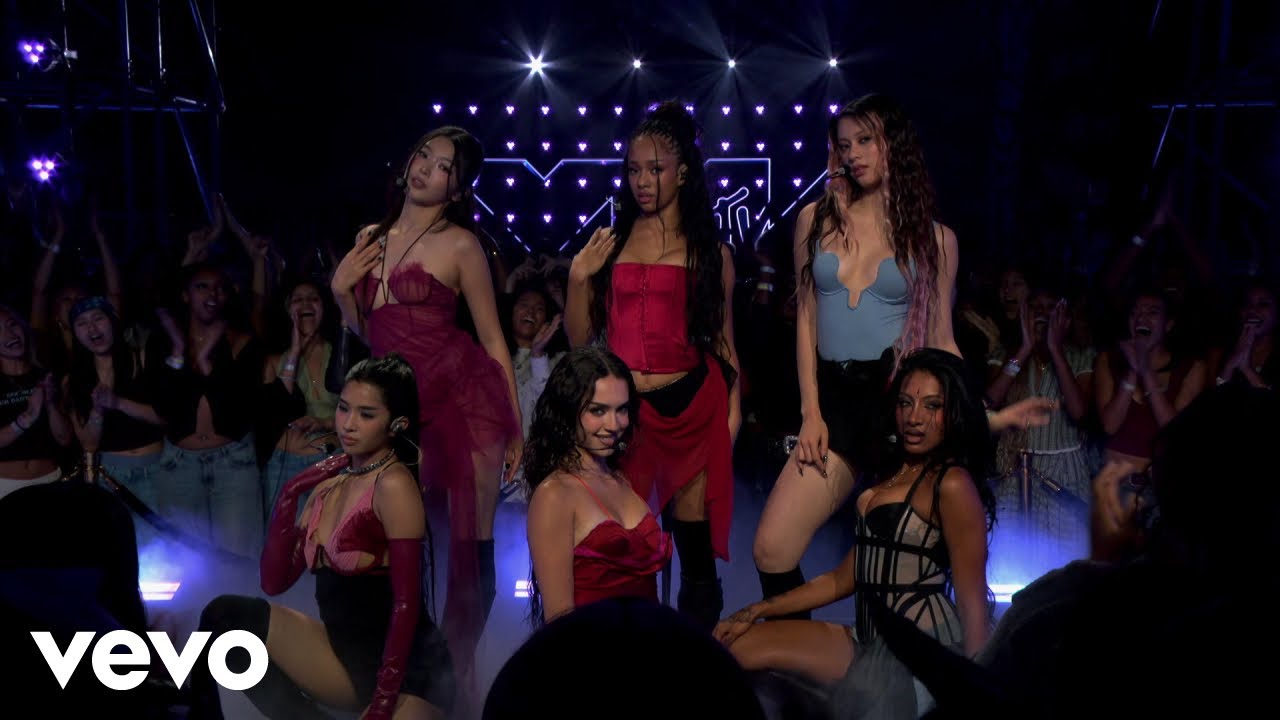
KATSEYE
Not only is KATSEYE the first K-pop act to be nominated for Best New Artist, they also earned a second nomination for Best Pop Duo/Group Performance with their hit “Gabriela.” Their rise is distinct from that of ROSÉ, who became increasingly famous as a member of BLACKPINK, or from how “Golden” rose through the ranks alongside the Netflix film’s popularity.
The circumstances under which KATSEYE was nominated for Best New Artist are notable—just a year and a half after stepping out onto the world stage and not a single studio album to their name yet. The award isn’t actually restricted to an artist’s debut year. According to the official definition, the award is eligible to artists who “have achieved a breakthrough into the public consciousness and impacted the musical landscape during the year.” The other nominees this year, including Olivia Dean, The Marías, and Addison Rae, have all been recording music for years. Even recent winners like Chappell Roan and Victoria Monét earned their accolades after significant recognition that came from years of hard work culminating in a successful first album.
Also noteworthy is how KATSEYE received a second nomination in addition to Best New Artist. Among the eight nominees for Best New Artist this year, only three—Leon Thomas, Lola Young, and KATSEYE—were nominated for any other award. Think about how ubiquitous Thomas and Young have been both on streaming apps and on the radio over the past year, and the intense competition KATSEYE was up against in their nominated categories—337 artists and 256 entries met the eligibility requirements for Best New Artist and Best Pop Duo/Group Performance, respectively. KATSEYE has proven they can hold their own among both emerging and established artists.
Above all, the group is a testament to the adaptability and acceptance of the K-pop model in Western markets. By forming a group through competitive auditions, building upon rigorous training, and showing versatility in genre, then bringing all that to the global stage while leveraging the group’s diverse cultural backgrounds, they’ve fostered dynamic connections where they can effortlessly embrace inclusivity and minority representation. That’s precisely what KATSEYE and “Gabriela” represent.
Kendrick Lamar
Last year, Kendrick Lamar swept the Grammys with “Not Like Us,” winning all five awards it was nominated for: Record of the Year, Song of the Year, Best Rap Performance, Best Rap Song, and Best Music Video. The song absolutely dominated 2025. But here in 2026, armed with “GNX” and “luther,” Lamar is an even greater force to reckon with, leading the pack this year with nine nominations—his third time topping the list, after 11 nominations in 2016 and eight in 2019. Behind him are Lady Gaga with seven nominations and Bad Bunny, Sabrina Carpenter, and Leon Thomas with six each. Included in Kendrick’s list of nominations are Album, Record, and Song of the Year. And that goes for Bunny, Carpenter, and Gaga, too.
All five of Lamar’s studio albums have now been nominated for Album of the Year, with his most recent release following “good kid, m.A.A.d city” (2014), “To Pimp a Butterfly” (2016), “DAMN.” (2018), and “Mr. Morale & the Big Steppers” (2023) (the “Black Panther" soundtrack also made waves at the 2019 Grammys, but Lamar wasn’t the main artist in that case). No solo artist has ever managed that kind of streak in any genre. Donald Fagen was also nominated five times consecutively, but that total includes both his solo work and his work with Steely Dan. Not surprisingly, Lamar holds the distinction of being the only rapper to be nominated for Album of the Year five times, surpassing Ye (aka Kanye West)’s record of four. Additionally, Lamar and SZA became the first non-duo artists to receive multiple Record of the Year nominations together as a duet. The two were previously nominated seven years ago for “All The Stars.”
This year’s Grammys represent an extraordinary achievement not just for Lamar but for hip hop as a whole. The recent decline in hip hop streaming figures clearly isn’t for a lack of artistic vision. For the first time in Grammy history, three of the eight Album of the Year nominees are also contenders for Best Rap Album: Lamar’s “GNX,” “CHROMAKOPIA” by Tyler, the Creator, and Clipse’s comeback album, “Let God Sort Em Out.” Doechii, who took home Best Rap Album last year, has been nominated in six categories, including Song of the Year and Record of the Year, on the backs of “Anxiety” and “Alligator Bites Never Heal” alone.

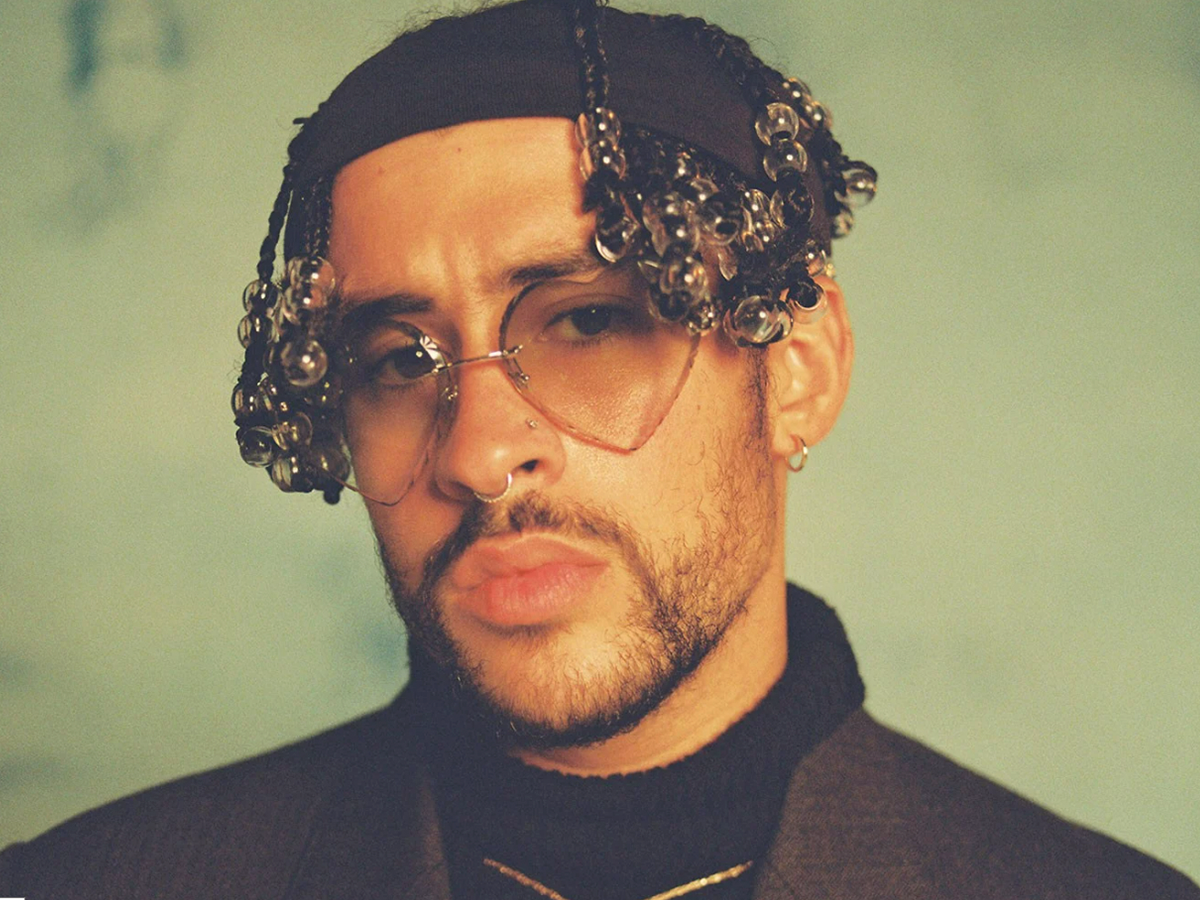
Bad Bunny
Bad Bunny is the first Latin artist to be nominated for three major Grammys all in the same year. Three years ago, he became the first Latin artist to be nominated for Album of the Year, with “Un Verano Sin Ti.” This year, he received his second nomination for the award with “DeBÍ TiRAR MáS FOToS.” These two albums are the only Spanish-language records to ever be nominated. Meanwhile, the track “DeBÍ TiRAR MáS FOToS” has also earned the singer his first Record of the Year and Song of the Year nominations. It’s only the second Spanish-language song in history to be nominated for both awards in the same year, following Luis Fonsi, Daddy Yankee, and Justin Bieber’s hit “Despacito.”
Bad Bunny has won three Grammys to date, all for Best Latin Pop or Música Urbana Album. He’s consistently paved the way for Latin music on both the “Billboard” charts and at the Grammys. If he wins any of the major awards this year, he’ll be setting yet another groundbreaking precedent. One fascinating piece of history is that Bruno Mars took home Song of the Year for “That’s What I Like” and Record of the Year for “24K Magic” in 2018, beating out “Despacito” for both awards, and Mars is back again this year with “APT.” Later this year, Bad Bunny will be headlining the Super Bowl halftime show. It’s the first time since Justin Timberlake in 2004 that someone has simultaneously been nominated for Album of the Year and performed at the Super Bowl. Timberlake had been nominated for his debut solo album, “Justified,” and headlined the halftime show alongside Janet Jackson and Nelly. When you narrow it down to acts who aren’t sharing the Super Bowl stage, Bad Bunny’s the first since U2 in 2002.

Producer of the Year
The Grammys General Field has traditionally consisted of Record of the Year, Album of the Year, Song of the Year, and Best New Artist, and as such earned the nickname the Big Four. Starting with the 2024 ceremony, the awards show elevated Producer of the Year and Songwriter of the Year to the General Field in the first expansion since 1960 when Best New Artist was first included. The two awards were designed to recognize production and songwriting separately. While Producer of the Year was introduced in 1975, giving it a 50-year-plus history, Songwriter of the Year was only established in 2023 after more than a decade of advocacy by writers in the field.
Whether a category has existed for 50 years or just one, the core issues remain the same. Under the “10-3” voting rule, after casting votes for the General Field awards, Academy members can cast up to 10 votes within three fields. The problem is that voting in the Production, Engineering, Composition & Arrangement field is often given lower priority compared to genre-specific fields like Rock or Pop. However, with a growing recognition of the contributions of behind-the-scenes creatives like producers, songwriters, and instrumentalists, the issue has come under renewed scrutiny. Should the achievements of producers and songwriters be considered through a democratic voting process by the entire musical community? The answer, of course, is a resounding yes.
This year’s nominees for Producer of the Year even include several fresh faces—ones in place of industry giants like Jack Antonoff and Daniel Nigro. Cirkut, Dijon, and Sounwave are all up for the award for the first time. Cirkut is up for an impressive seven different awards, including Record and Album of the Year, for his work with ROSÉ and Lady Gaga, whose currently nominated album “MAYHEM” is almost entirely populated by tracks Cirkut worked on. Sounwave was nominated based solely on his work on Kendrick Lamar’s album “GNX.” The runaway success of “GNX” is a reflection of the long-standing creative partnership between the rapper and the producer. Dijon is recognized both for his solo work and for producing “SWAG” by Justin Bieber. As an independent artist, producer, and songwriter, Dijon has been credited with expanding the boundaries of pop music. It seems Academy voters are proving surprisingly quick in recognizing the future of popular music.

Notable record
- Sabrina Carpenter has now been nominated for three major Grammys two years running. In 2025, she was nominated right across the Big Four, including Best New Artist, but didn’t take any of them home. This year, her new album “Man’s Best Friend” and the song “Manchild” could lead to a different outcome. It’s especially rare these days to be nominated for Album of the Year two years in a row, seeing as artists aren’t releasing as often. Only 13 acts have done the same since 1970. Those since 2000 are Kanye West (2005/6), Lady Gaga (three years, 2010–2012), H.E.R. (2019/20), and Taylor Swift (2021/22, 2024/25).
- Leon Thomas is the only Best New Artist nominee this year to also receive recognition elsewhere in the Big Four. His album “MUTT” is an Album of the Year contender, and he’s also been nominated for Best R&B Performance, Best Traditional R&B Performance, Best R&B Song, and Best R&B Album for a total of six awards.
- Tyler, the Creator’s album “CHROMAKOPIA” earned the rapper a nomination for Best Rap Album, while “DON’T TAP THE GLASS” was nominated for Best Alternative Music Album. You usually don’t see one artist being nominated in those two genres. There is some precedent, however—in 1999, the Beastie Boys won both Best Alternative Music Performance with “Hello Nasty” and Best Rap Performance by a Duo or Group for the track “Intergalactic.” For Tyler, the Creator, being honored in the Alternative category holds even greater significance, given that he, along with many other Black artists, has expressed frustration with being pigeonholed under Rap/Urban despite the artists’ stylistic diversity.
- Following “Purpose” and “Justice,” Justin Bieber was nominated for Album of the Year for a third time with “SWAG.” The singer’s latest album also earned him a fifth nomination for Best Pop Vocal Album, tying him with Justin Timberlake for the male artist with the most nominations. If you include the two nominations Timberlake received during his *NSYNC days, he’s up to five. Bieber is the only male artist in the running this year for Best Pop Solo Performance with “DAISIES” and was also nominated for Best R&B Performance with “YUKON.”
- The five pop queens of today2025.01.07
- Latin music is the future2023.02.22