BTS’s latest album, “ARIRANG,” is virtually their declaration to redefine their identity on their own terms. In the song “Aliens,” RM raps about how “you guys with the hella big eyes look at us and say / Are they for real? For real?” Even in success, or perhaps especially because of it, the world kept questioning whether BTS belonged. The group goes into the degree to which they’ve been othered by the Western measuring stick in “they don’t know ’bout us”: “They keep on askin’ what was different / And I’m just like hey, who knows.” To some, a group born out of Korea achieving global success was something unnatural—an abnormality that no one could have expected, which is why they end up framing themselves as “Aliens.” But they also use the lyrics to take that outsider perception and turn it into distinction—“We’re built different from birth, seven aliens / They’re all jealous of us, those civilians”—utterly reframing their status.
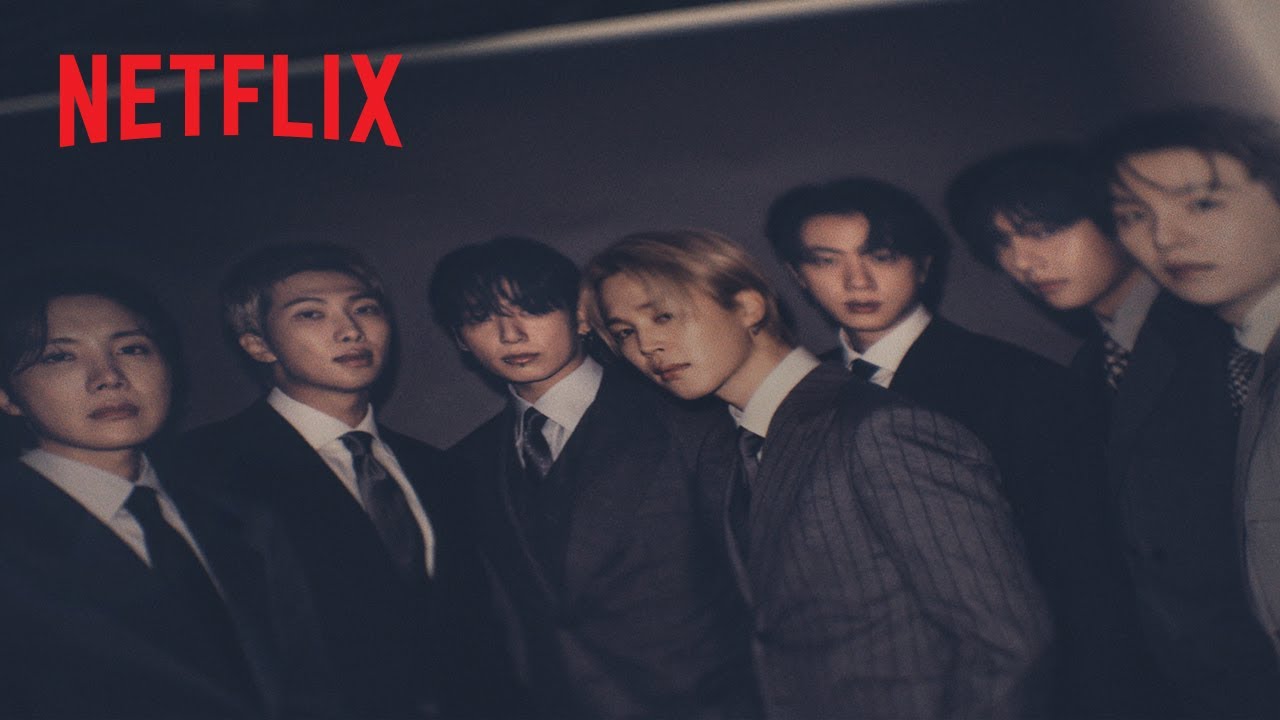
In the trailer for the Netflix documentary “BTS: THE RETURN,” RM returns to a familiar refrain: “At our core, we’re still just a bunch of country kids from Korea.” It’s the same label he gave himself in an interview with “Weverse Magazine” back in 2021, and it expands into something even more affirmative on “ARIRANG” through a narrative arc of self-acceptance. “Aliens” demands “manners” in line with Korean culture rather than Western ones, making it clear that “If you wanna hit my house / Take your shoes off.” It’s the same idea they’re getting at with “Hooligan” when they say “this that K.” Back in 2023, when a Spanish media outlet asked whether he was tired of the “K” prefix for all things Korean, RM called it “a premium label.” And with an album that borrows in name and in spirit from a traditional Korean folk song about the hardships of living far from home, BTS is redefining what that “K” means from the perspective of outsiders to the Western-dominant music market who also happen to be dominant within it. That single letter has cracked the music industry wide open, and within that fissure, BTS is living proof that “the world’s been waitin’ for us.”
The album opener “Body to Body” kicks off with a repeated refrain of the words “I need.” They might be a massive group these days, but BTS is just as eager for people to fill their stadiums. That same desire gets flipped on its head through the song’s call to “put away those guns, knives, your keyboards” and close the distance between “you and I.” Rather than building to an emotional peak, the chorus focuses on repeatedly calling to “somebody like you”—the listener—and flows seamlessly into a rendition of the folk song “Arirang” by a group of backup singers. The lyrics detail an aching longing for love through the emotional prism of han—the borrowed verse telling the listener they’ll be sore on their feet after traveling a mere 10 ri if they should abandon the singer. The sentiment connects directly to BTS’s global campaign asking “what is your love song?” in the lead-up to the album’s release. “Body to Body” channels the distinctly Korean emotion heung through lines about “our very own style” and “the united hearts of our people soaring as one.” But the song reminds us that “life is short” and to “let go of those grudges” and come together through music, which pushes the sense of deep-seated pain over love lost or han in Korea’s famous folk song into something that’s universal. In that sense, BTS goes beyond talking about who they are on their latest album to sing of a solidarity in which music brings everyone together.
On all the tracks before “No. 29”—the interlude featuring the Bell of King Seongdeok, South Korea’s National Treasure No. 29, that makes up the sixth track on the album—BTS sings about the kind of ambitions and attitude they show onstage. They start with “Body to Body” and their continuing aspirations for the stage, followed by “Hooligan”—the title a nod to BTS’s long-running challenge to the Western music industry, and the rapping laid overtop a soaring melody and the clash of blades. It reads almost like a metaphor for the duality of the artist—sometimes captivating the crowd, sometimes having to come at the stage with something closer to an attack. “FYA,” opening with heavy breathing and revving engines and driven by hyper Jersey club’s signature kick pattern, heavily autotuned vocals, and a repeating chorus, conjures up an imaginary dance floor for everyone to lose themselves to dance on. Next, “2.0” takes a confident look at the group’s next chapter with lines like, “‘Yeah just like BTS,’ sure sounds easy / We like a vault, who’s gonna jump over us,” while the verse–chorus loop is an experiment in writing a song that borders on a chant that’s a perfectly orchestrated sing-along. The first half of “ARIRANG” until “No. 29” unfolds like a concert—BTS taking the stage, calling out to the crowd, showing the world who they are, and becoming one with their audience.

Where the first half of the album tells us who the BTS members are as artists, the second half, opening with the ethereal synths of “SWIM,” turns inward for a microscopic focus on their inner lives. On that ocean surface, they’ve put everything they have into their artistry to achieve their goals. “SWIM” gives voice to the very human desire to surrender yourself to a wave so large it’s futile to fight against. But letting go of the need to be in control, accepting the uncertain way in which life flows on, and allowing yourself to go under might just take more courage than you’d expect. That’s likely why the lyrics to “SWIM” not only suggest a determination never to recede but are also framed as desires, not as present realities. “Merry Go Round” is a metaphor for the way life moves ceaselessly in circles and runs through its three-stanza chorus twice through, with only a single brief verse between the repeat, before opening up into a longer emotional release in the song’s second half. Yet the feeling captured in lines like “Every day I go to die / Can’t I turn off this dream / You know I’m dancing a dance I can’t stop” never reaches a climax, the song suddenly ending unresolved and leaving only an aftertaste swirling around. Some things in life resist being solved, no matter how much passion or success you’re armed with. That’s why the group embraces imperfection and dreams of the freedom to live by instinct alone in “Like Animals,” and why “NORMAL” sits with the question of what happiness actually means.
The way “ARIRANG” handles identity and emotion carries over to the very structure of the songs. Rather than leaning entirely on dramatic K-pop punches, the first half of the album revolves around varied configurations of short choruses and hooks in each track to really drive the message home for listeners through repetition. After “No. 29,” melody takes a more active role, and the group’s vocals begin to latch onto the finer emotional texture of each song. But aside from “NORMAL,” whose second half picks up the vocal melody and drives it to a close with a guitar solo and intense drums, genuine cathartic releases are scarce until the closing track, “Into the Sun.” True to how “SWIM” is all about being prepared to accept the oncoming waves, BTS’s voices carry the emotion without pushing any buttons or doing anything explosive. Once they’ve passed through wave after wave of emotion and arrive at “Into the Sun,” anytime the boys aren’t rapping, their harmonious voices push their way unhurriedly but consciously into each and every word, finally finding release as they cry out the word “dawn,” while the rap that follows comes out in a gentle murmur. Emotions rise as Jin belts out the line “never too far behind” and the song turns into a jam band session for the final closer. The group closes the album with a steady resolve to keep moving toward the sun, holding out hope that “even running toward the sun / Even if you never get closer,” the “dark night” will only last “a moment.” This ambiguous emotional state—the sense of holding onto feelings without having yet found any resolution, perhaps even a mix of freedom and serenity—when mixed with the album’s musical choices reflects where the artists are at today.
“ARIRANG” is at once the most personal story BTS could tell and the most universal. Outsiders by Western music industry standards, they wrote a new chapter of history the likes of which had never before been seen—one that’s still here even after their time away. Now, the group proudly asserts who they are, redefining the meaning behind their own history from the inside in a universal language while dreaming of a totally connected world. At the same time, they lay bare the hyper detailed inner world that comes with being human and that no amount of success can help you deal with—while still advocating acceptance and holding onto hope, facing whatever waves life can send your way without flinching, and speeding toward a sun that looks impossibly far away. And so, for BTS, time flows on as they make their way through the world as artists and as seven people entering the next chapter of their lives.