There’s one particular story you tend to hear about almost every big-name artist when they make a comeback after a long time away. The pressure’s immense, the expectations are impossible to meet, and the music world’s moved on. The artist either overcomes the weight of their own history to soar again or quietly fades. It’s a clean-cut, dramatic narrative, reducing the messy decisions of the creative process to a simple binary—triumphant return or cautious retreat. And any real conversation about how the sauce was made, and led it to turn out the way it did, evaporates.
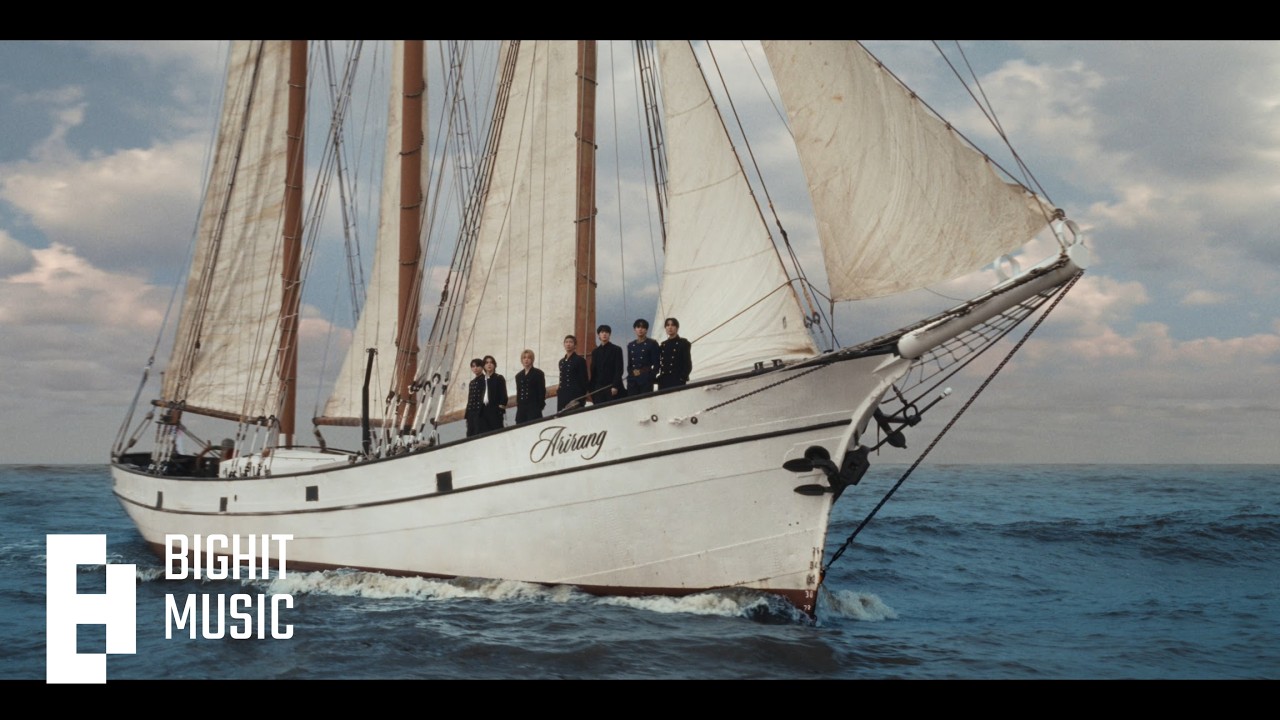
From the moment BTS announced the title of their new album would be “ARIRANG,” you could already see the easily dismissive narratives writing themselves: too Western, too English-centric, too genre-driven. It also reflects the sheer scale of the group’s reach. Some artists are so big that they generate a huge amount of discourse just by being there. Instead of asking whether they meet expectations, let’s ask something else: What kind of group is BTS in 2026? What kind of group did they want to be? And how does that show up in the music?
Let’s start by looking at everyone they worked with. The list runs through Kevin Parker of Tame Impala, Mike WiLL Made-It, JPEGMAFIA, El Guincho, Artemas, and many more. Reading it feels less like scanning a guest list and more like navigating a map. Each name represents a distinct region of contemporary pop music—a specific audience, a specific cultural conversation.
Kevin Parker opens the door to psychedelic indie rock, which hasn’t otherwise found any meaningful footing in K-pop. When you want a synthesis of mainstream pop and trap, you go to Mike WiLL Made-It. Much of the new album looks to hip hop roots, which, given BTS’s DNA, is like they’ve returned to form and feel right at home. Rapper JPEGMAFIA has his feet in two worlds at once, known just as much for his work as a producer as for his own music. He works with heavyweights like Ye (Kanye West) while also making uncompromising underground hip hop with Danny Brown. But this isn’t an American map we’re talking about.
What about El Guincho? He produced the entirety of Rosalía’s hit album “El Mal Querer” as well as key tracks off “MOTOMAMI.” El Guincho’s a proven master when it comes to taking local tradition and working it into a more globalized pop sound. The kind of work he did with Rosalía—where he took flamenco, a distinctly Spanish tradition, and fused it with electronic music to create a global phenomenon—resonates exactly with what “ARIRANG” is aiming for. Then there’s Artemas, whose inclusion shows just how far and wide BTS looked for contemporaries to collaborate with. A self-taught bedroom producer, Artemas’ 2024 single “i like the way you kiss me” has racked up 2.5 billion views on TikTok, reached No. 12 on the “Billboard” Hot 100, and topped the Global Excl. US chart. He represents a generation of digital natives who bypassed the traditional label system and its gatekeepers entirely. You could say he’s just another producer from the English-speaking world, but you could also say he’s the latest to follow the BTS playbook of leveraging social media to cross international borders.
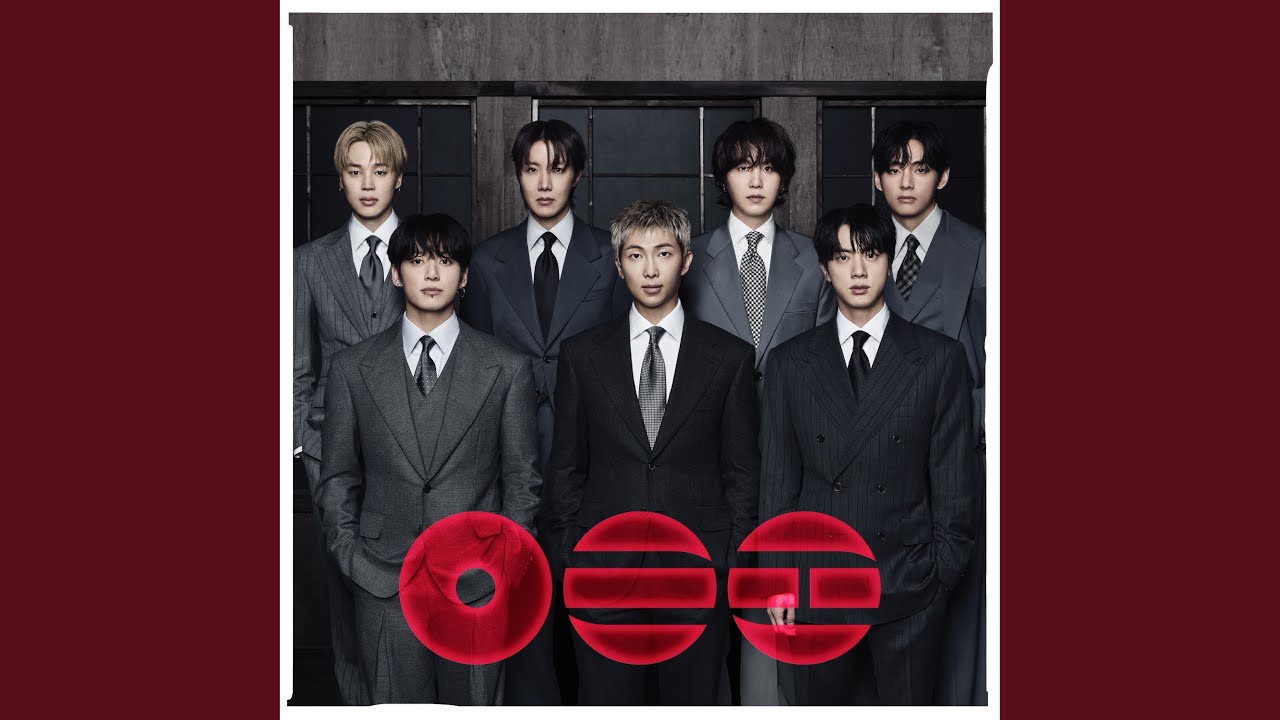
What’s really interesting is how the sounds these global producers bring actually work within the context of the album. The psychedelic organ that opens “One More Night” may be imported, but the emotional weight of the song comes from the Korean lyrics and the texture of the vocals. The anguish that swirls through the dreamy electropop of “Merry Go Round” is distinct to BTS. That’s what you get when you’re in control and make the best ingredients work for your signature recipe, not the other way around. According to an interview with “GQ,” the group stayed in Los Angeles together for around two months, working in the studio six days a week. That’s less a recording schedule than a residency. “ARIRANG” doesn’t sound like it was pieced together over email—it sounds like it was made with everyone in the same room, engrossed in productive, lively debate. The cohesiveness of the final product suggests BTS went into those sessions with a clear sense of direction, stuck to it, and trusted the people around them to work within their vision. That’s not a passive approach to the creative process—that’s leadership.
Unlike the dismissive tone the “too Western” reading goes for, it inadvertently shows exactly where BTS stands in the global music ecosystem. A lineup of collaborators as varied and deliberately chosen as theirs is only possible because those in the industry see the group as peers, not guests. The old idea of Western validation no longer factors into what BTS does. That’s why RM can rap about how “only I can speak English here” and proudly say “that is how we kill.”
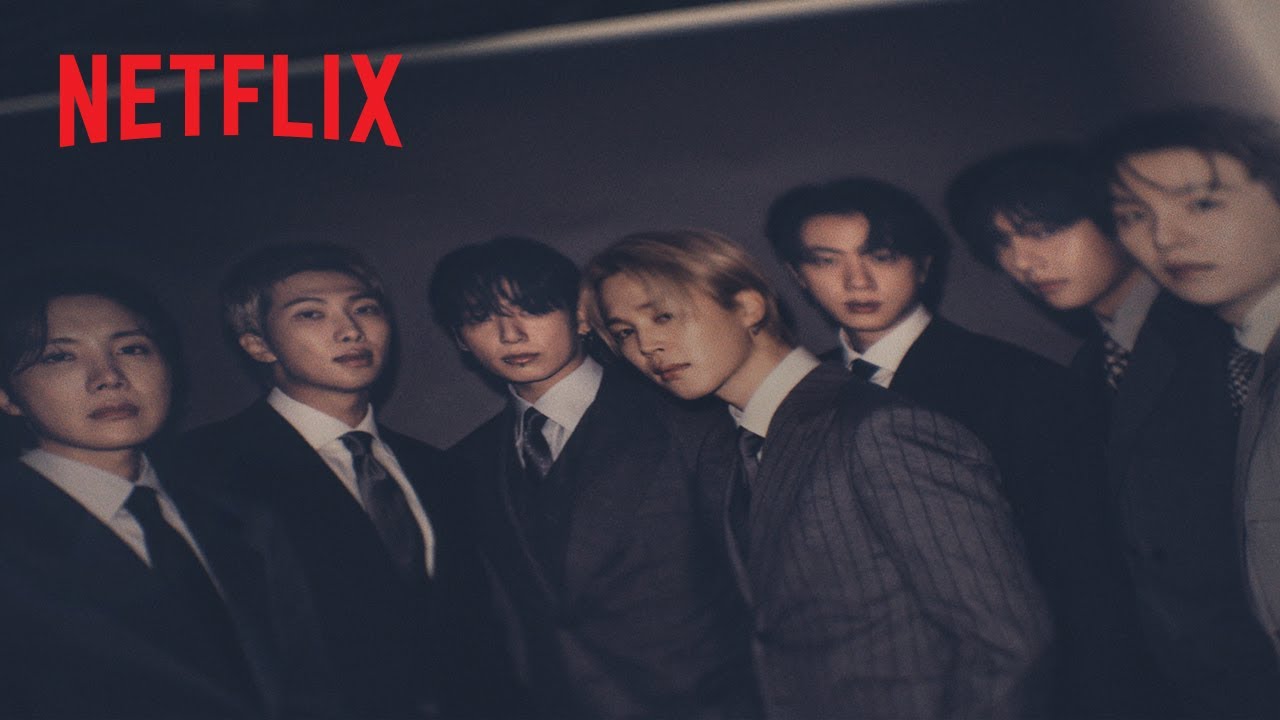
The same goes for the concert broadcast live on Netflix on March 21. The show was directed by Hamish Hamilton, whose credits include the Super Bowl halftime show, the Oscars, and the Olympic opening ceremonies—events where the challenge is making something feel real and human at an impossible scale. BTS brought that expertise—borrowed from the highest level of live spectacle—to Gwanghwamun Square, a space that carries enormous cultural weight in Korea already. The Netflix production took all the excitement in the air and sent it over the airwaves intact for the whole world to enjoy. The camerawork reinforced exactly what the boys did onstage rather than trying to invent something new for those watching at home.
The Netflix concert also connects to a broader conversation about the music industry. Netflix followed up the Gwanghwamun event with the documentary “BTS: THE RETURN,” which really gets at something the industry has been wrestling with for ages. For years, they’ve been trying to figure out what music broadcasting looks like in the streaming era. MTV and VH1 built a culture around the idea that music could be a scheduled viewing experience—something people would rearrange their evenings for—rather than something you play whenever you feel like it. But that infrastructure has since collapsed, and nothing had convincingly replaced it.
The Gwanghwamun performance came closer to recreating that feeling than anything in recent memory. And it was the artist, not the platform, who made it happen. Netflix can provide the resources for distribution and production, but they can’t manufacture the feeling that something unmissable is happening right now. That feeling comes from the artist, and it requires a kind of cultural gravity that takes years—sometimes decades—to work up to. That’s where BTS comes in. The Gwanghwamun performance worked as a scheduled viewing experience because viewers already understood, before the stream even started, that they were watching something that mattered.
The convergence of the album’s creative ambition, the symbolic weight of Gwanghwamun, the scale and polish of the production, the platform’s global reach—none of that comes together by accident. It reflects a group that’s secured a rare position both in Korea and globally, and one that, even after years away, is as sure about who they are as ever. Most of the conversation around “ARIRANG” seems to be focused on what BTS might have compromised to make it, but it’s more honest to ask what they’ve held onto. They’ve already proven that where you’re from isn’t a liability. So what about an album that goes one step further and asks whether that can actively be a means of setting yourself apart?
- For BTS, time flows on2026.03.25
- Listening to “Born Singer”2022.06.07