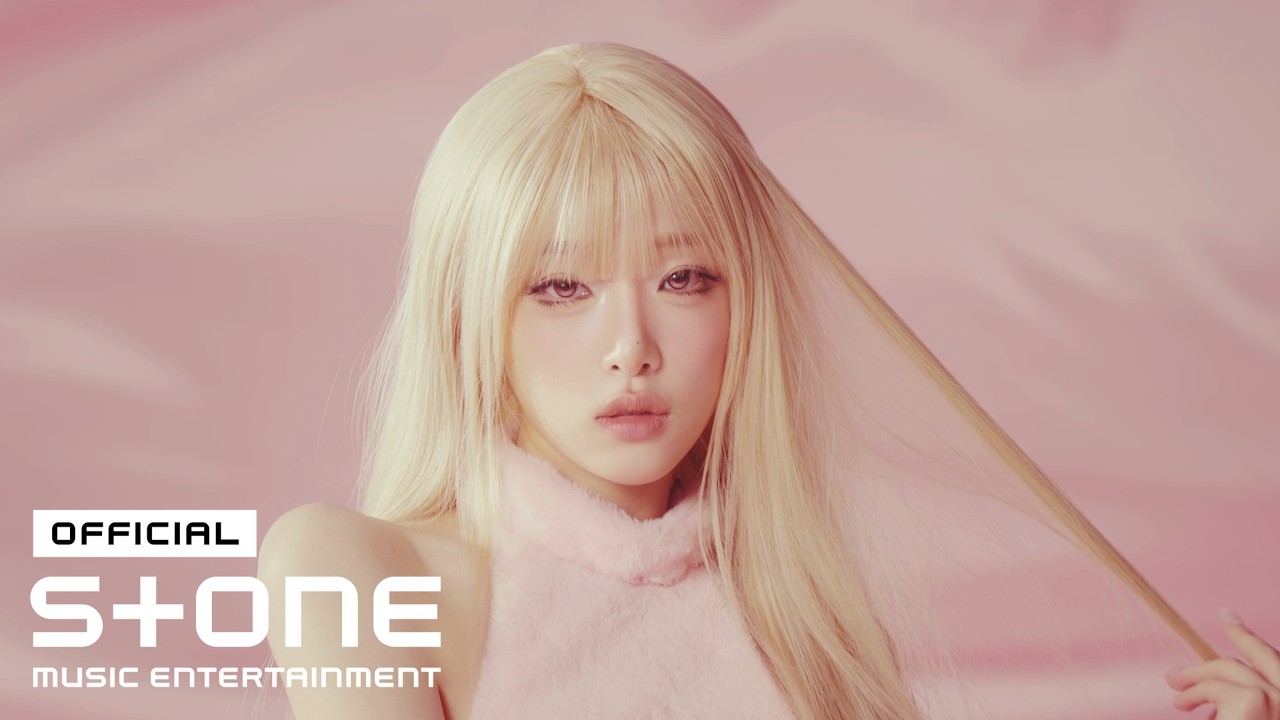
YENA released “Catch Catch” on March 11 as the lead single off her mini album “LOVE CATCHER.” This is a market where sustained streaming traction for new songs is hard to come by for all but a small few. But “Catch Catch” didn’t fade away after YENA wrapped up TV promotions at the end of the month. If anything, it kept showing up on K-pop playlists and climbing the charts on major streaming services. The reason “Catch Catch” deserves its own write-up is that its staying power didn’t come out of nowhere in the spring of 2026—the ecosystem behind the hit goes back at least to the fall of 2024.
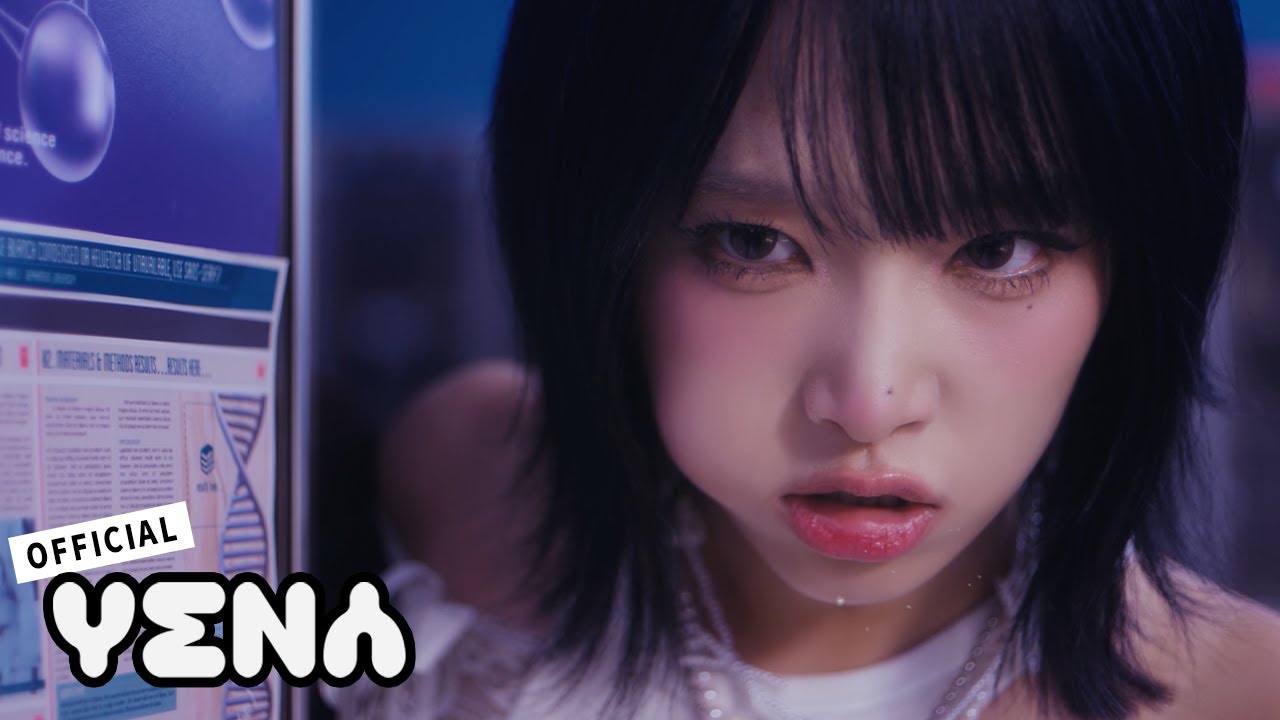
Standing at the center of “LOVE CATCHER” is producer NATHAN, who also worked on YENA’s previous releases “NEMONEMO” and “Blooming Wings.” “From the first track to the last, NATHAN thought carefully about my strengths and what makes me me,” YENA said, “and built everything around that.” Rather than collaborating on a single song, they worked together to design the entire arc of the album, representing a departure from the typical model where a cast of songwriters and producers each contribute pieces. What’s particularly striking about YENA’s case is that this approach didn’t develop gradually but arrived fully formed with “NEMONEMO.” That unmistakable sense of intention has been there ever since. That consistency shows up in the musical vision too. “NEMONEMO” falls broadly under the rock umbrella, and on the surface looks like a continuation of her “HATE XX” and “Good Morning” era, but where those earlier releases drew on Western styles like Y2K pop punk, “NEMONEMO” shifts to the J-pop fusion of rock and dance. The lyrics shift too, moving away from the heartbreak and uncertainty of the past toward blossoming feelings in a flutter. It’s here where YENA’s personality and her music started working organically as one and the idea of YENAcore began to take shape spontaneously within the fandom.
As the idea evolved, the overlap it found with subculture was partly a natural outcome and partly the result of clever thinking. The album cover for “Blooming Wings” is a collaboration with Arina Tanemura, one of the most beloved names in Japanese shojo manga. Reportedly, YENA reached out as a fan of Tanemura, and Tanemura said yes as a fan of YENA’s. Around the same time, while promoting “Being a Good Girl Hurts,” YENA appeared in a video with YouTuber Misstada titled “YENA is in my 2000s anime room.” Working with a creator whose whole aesthetic is rooted in the look and feel of ’90s Japanese TV didn’t flatten either of their personalities, it just felt like two people with similar tastes having a regular hangout. More recently, promotions for “Catch Catch” included an appearance at a figurine shop for a surprise musical performance, quizzes, and dance challenges. What all of this has in common is that it shows a preference for depth over scale. When the mainstream engages with the subculture, it usually stops at putting on a performative otaku air or playing a similar character, but YENA’s approach is different. For her, it’s about proving she’s the real deal, showing she’s genuinely one of the community’s own.
But the rise of “Catch Catch” can’t be explained by the buildup and explosive payoff of those subcultural ties alone. The J-pop-inflected direction YENA had been developing found its footing with “Catch Catch,” refining that approach and landing on a common denominator within a more approachable K-pop frame. At its musical core, “Catch Catch” is rooted in second-gen K-pop. It carries the big-picture vision of YENAcore forward while translating the hallmarks of that era, like catchy hooks with choreography and lyrics that take big swings to make an immediate impression, into something that feels modern. For this, YENA has directly cited T-ara and Orange Caramel, and she even filmed dance challenges with T-ara members Eunjung and Qri, turning inspiration into collaboration. Her onstage styling across TV appearances—everything from a metallic suit to a cat costume and a baseball jersey—can likewise be seen as drawing from the visual vocabulary of second-gen K-pop. Ultimately, YENA’s approach to her own identity is consistent. She immerses herself in the subcultures she loved as a teenager and makes them a part of her drive. You can’t fake being an otaku, and you can’t fake nostalgia.
Where second-gen K-pop and otaku culture dovetail is dance challenges. Such challenges have become a standard part of K-pop promotion, and the crossover appeal into otaku circles has helped drive the spread of “Catch Catch.” The dance-along choreography follows the same logic as the attention-grabbing moves seen in second-gen K-pop, where the artists dance during a hook with no lyrics. The moves are straightforward, tied directly to the song title, easy to follow along to, and built to repeat. Rather than complicated hand and foot movements, the choreo centers around jumping to the beat, meaning you don’t even have to be a real person to perform it—in addition to TikTok-native users and those with fond memories of K-pop’s second gen, the challenge has also been taken up by fans of Japanese pop culture (like “Full Moon o Sagashite,” aka “Looking for the Full Moon,” and Vocaloid) and characters from it. When YENA said she “wanted to do, in my own way, a song that could evoke memories for some people and be something completely new for others,” she proved she knew exactly what she was doing. Everyone can find their own way into the song, receiving it differently depending on their age and their interests. Those multiple entry points have turned out to be a wise approach judging by the 250 million views of the dance challenge hashtag on Douyin, TikTok’s Chinese counterpart.
Now you can see how so many things came together since the fall of 2024 to lead to the remarkable staying power of “Catch Catch.” A consistent working relationship with NATHAN gave shape to the distinct YENAcore sound, the otaku connections that developed naturally across multiple albums amounted to authenticity, and a deep understanding of second-gen K-pop gave YENA a musical language that taps nostalgia and novelty at the same time. And then listeners take all that and multiply its power through the dance challenges. What we’re witnessing isn’t just one successful song but an artist who has become a content ecosystem unto herself. Not many performers can label their own concert with a word like “isekai ” and actually make it feel so inviting.