To find a time when the word “techno” was thrown around in K-pop as much as it is today, you’d have to go back to the end of the previous century—think Lee Jung Hyun’s era. Even back then, techno wasn’t really a genre in the strictest sense, but was rather part of a trend defined by forward-looking dance music and standout dance moves. In the early 2010s, techno was briefly dethroned by EDM, remembered for its big room sound and DJ-oriented festivals. Now, more than a decade later, techno is back, but this time, it feels different. Rather than some vague, fragmentary image of something that occasionally has to put up with mockery, it’s taking center stage as a key component of K-pop, a genre with worldwide influence.
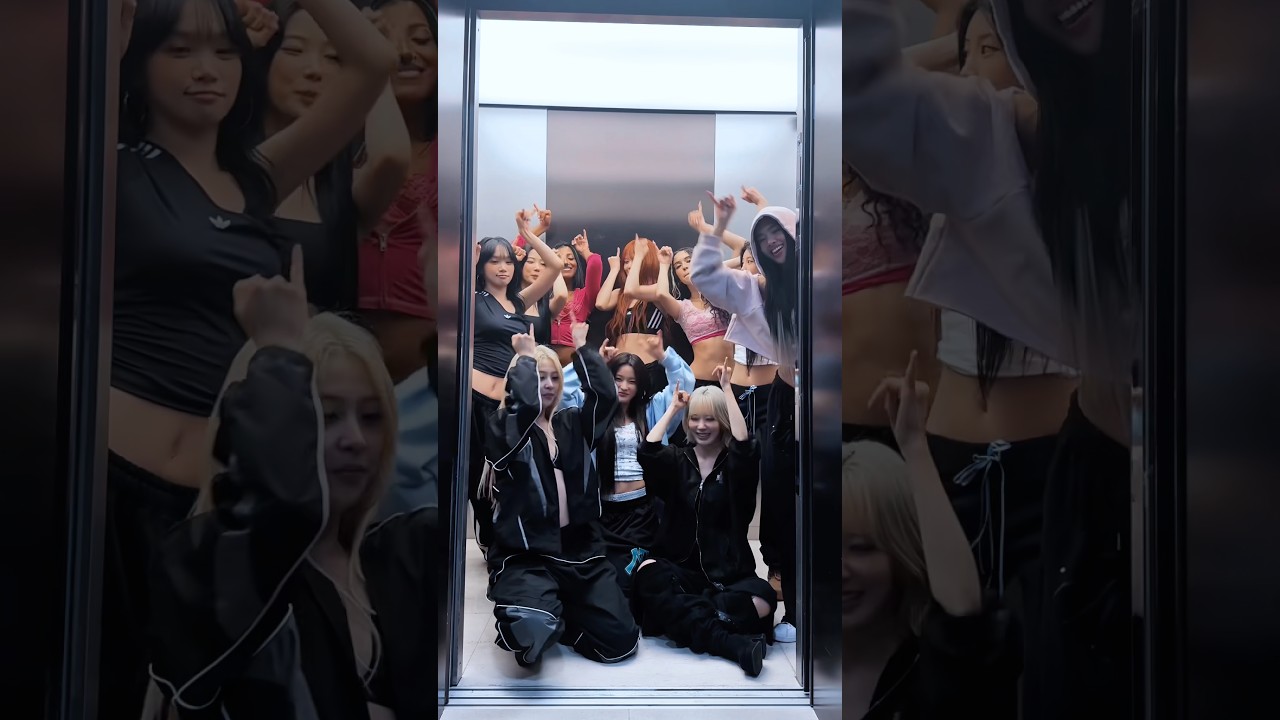
When BLACKPINK dropped “JUMP” last July, it was a sign of things to come. More recent releases like KATSEYE’s “PINKY UP,” LE SSERAFIM’s “CELEBRATION,” and ILLIT’s “It’s Me” are now riding that wave. It’s not unlike the way club and electronic music found their way into mainstream pop over a few years. Take the Grammy for Best Dance/Electronic Album over the last three years. Beyoncé’s 2023 album “RENAISSANCE” was historically significant as it paid tribute to the underground dance scene built by marginalized communities, but it also gave the pop superstar a Grammy that’s typically awarded to artists who work specifically within the genre. In 2024, Charli xcx’s album “BRAT” became a full-blown cultural touchstone in the year surrounding its release, proving that the mechanical, aggressive sound of hyperpop could succeed both critically and commercially. Then, in 2025, FKA twigs’ “EUSEXUA” tested the limits of how much experimentation mainstream music could welcome in. Meanwhile, Lady Gaga came roaring back with “MAYHEM.”
But the techno wave in K-pop this year can’t be explained by overseas trends alone because what’s at work here isn’t just an influx of influence but a deliberate choice. The IMS Electronic Music Business Report is the most comprehensive and longest-running report covering its industry. One of the most notable sections in the recently released 2025/26 edition is a popularity chart broken down by subgenre. The macro figure—that the global electronic music market reached a record $15.1 billion in 2025—is striking, but the micro-level shifts in taste are just as interesting. The core trends hold—house-adjacent styles with a sentimental edge still dominate, while the more traditional “peak/driving” techno has slid from the top in 2019 to fifth—but “raw/deep/hypnotic” techno, characterized by a faster and more aggressive sound, made its first appearance in the rankings at No. 10 in the first and fourth quarters of 2025. It’s a sign that demand for a rougher, rawer techno is starting to include mainstream tastes rather than just a niche market.
The most important thing “PINKY UP,” “CELEBRATION,” and “It’s Me” have in common isn’t their techno label, but their tempos. A BPM of 150 or higher is something European DJs, especially those from Germany—techno’s home turf—held onto even as they borrowed from mainstream rap and vocals. While American club pop aimed for something pleasantly danceable by sticking with house grooves that top out at 130 BPM, the European hard techno camp pushed past 150, adhering to a tempo that pulls the body along with it. These three K-pop songs opted out of the comfort of the former sound in favor of the pressure cooker of the latter. Tempo here isn’t a measurement but an aesthetic choice. Which begs the question—why is K-pop leaning into hard techno not after it commands a comfortable lead but right now when it’s just starting to rise?
Part of it comes down to the fact that today’s K-pop is capable of it. K-pop’s no longer chasing after sounds that have already peaked. These days, it can spot an inflection point when it’s still beyond the horizon and then move in for the first-mover advantage. The rise of hard techno is a clear sign that a new wave is coming. Constant stylistic reinvention is really what K-pop’s all about. The advantage is in the ability to convince an audience to embrace something unfamiliar through performance. There’s no genre better suited to bridging a fledgling underground movement to mainstream tastes.
There’s a reason this doesn’t look like an indiscriminate inundation of imports. The same IMS report named Indonesia’s breakbeat scene, Vinahouse out of Vietnam, and the Korean market wholesale as the three fastest-growing electronic music markets of 2025. Unlike the more specific genres noted in Southeast Asia, the Korean market isn’t so neatly defined, but a rough summary of all three reveals an overlap: rising up in local clubs, crossover into mainstream music, and integration into TikTok. In short, Asian electronic music is no longer a trendy Western import but a player driving growth. When you consider as well that the report points to the much more explosive growth of techno-related hashtags on TikTok over more mainstream ones, you start to see how this taste for raw, high-tempo music is an appealing option for short-form videos, where dancing is always a key element. What would be really strange is if K-pop just ignored the trend.
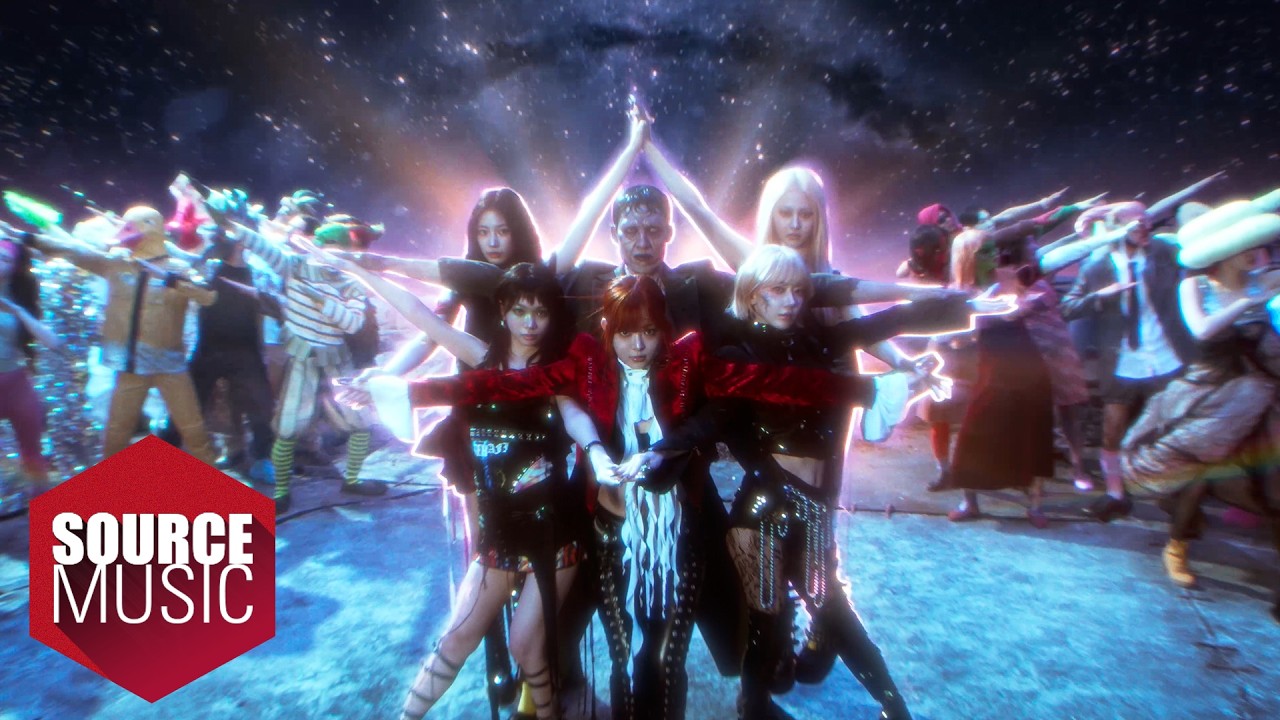
LE SSERAFIM has always emphasized their fearless image where adversity only makes them stronger. At the same time, they’ve been cementing their connection to different genres by featuring PinkPantheress on “CRAZY,” releasing the David Guetta remix, and more. For the girl group, dance music and self-affirmation are part of an identity they’ve been nurturing right since their debut, not something new they’re trying on this year. It’s no surprise that “CELEBRATION” takes the genre more seriously than ever before. This is their declaration of “FEARLESS 2.0,” going beyond simply being strong because you’re unafraid, to being that much stronger because you embrace the fear, scars and all. The group chases a creature that’s been in hiding because it looks different from everyone else, and when they finally come face to face with it, they discover they have scars themselves. By ultimately finding each other not through perfection but through fear, the whole thing ends in a party for everyone who’s ever felt incomplete. Hardstyle music reaches for collective catharsis more than simple sentiment, and it’s the perfect vessel for an anthem of solidarity for those living on the margins. “CELEBRATION” can’t help but be loud. And “BOOMPALA” naturally leads to celebration.
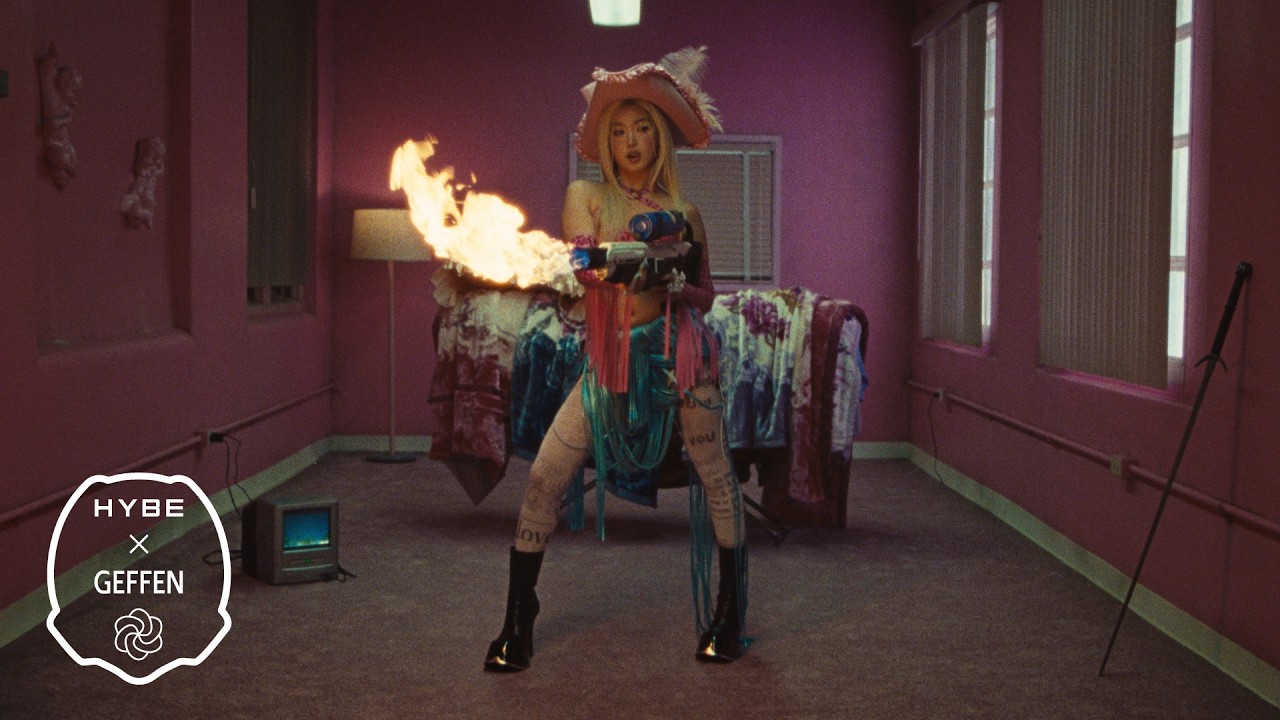
The hyperpop style KATSEYE introduced with “Touch” and “Gnarly” took off to even greater effect when performed live, and it’s what’s behind how the global girl group’s differentiated themselves and developed their sound so quickly. “PINKY UP” is faithful to the values of this group—one that constantly proves themselves through their performances. The song dropped just before Coachella, compressing all the anticipation into a single song. Then they sang it live for the first time in front of 60,000 people on the Sahara stage. The track is unmistakably hyperpop right from the opening, then the chorus adds some extra kick from there. It isn’t a song you’re meant to just sit there and listen to—you’re expected to get up and move. And the final part, with its little taste of restraint, feels like it could go on forever in a live setting.
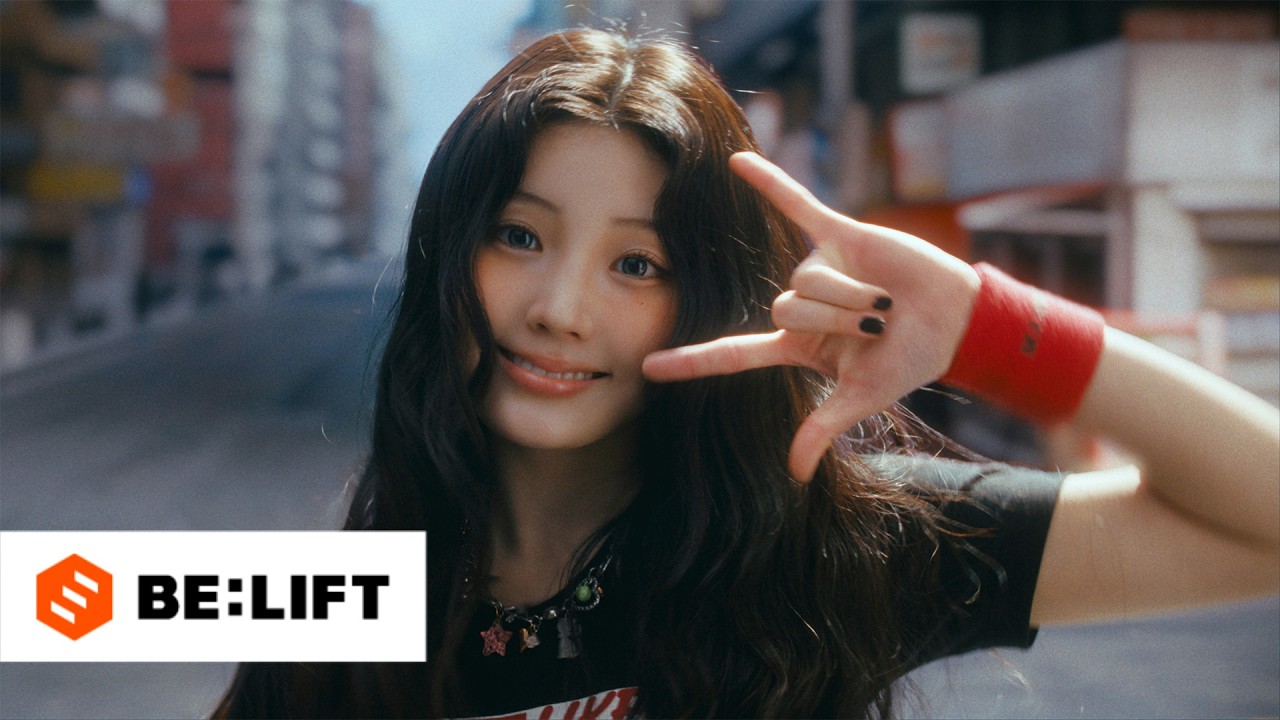
ILLIT’s song “It’s Me” is the most pop of the three, but where dance pop often reaches for the grotesque by exaggerating the theatrical aspect, this track strips that out and replaces it with a cuteness that insists it’s not cute anymore. Instead of putting up a front with the usual visually intense imagery, they play innocent, knowing full well how loved they are. That’s what makes the choice to take words right out of fans’ mouths and twist them around (“Who’s your bias? I’m your bias!”) so clever. The driving beat becomes a contrasting frame around their vocals rather than taking center stage itself. It’s the same case with “GRWM (Get Ready With Me),” just with drum and bass instead—suggesting it’s something only ILLIT can pull off.
To put it simply, the DNA of the genre isn’t a destination but where the similarities begin and end. The three groups arrive at entirely different emotional places—a tribute to solidarity, a festival anthem, and an obvious wink at the audience. So the final question is whether each group stays true to themselves with their individual takes on techno—whether the speed translates into something that works for each of them. And indeed, all three songs arrive exactly where they should. K-pop isn’t wearing a mask—it’s one of the faces of these genres today.
- ‘Catch Catch’ and the making of YENAcore2026.04.29
- Where K-pop goes next: BLACKPINK2026.03.24