Understanding Pokopia
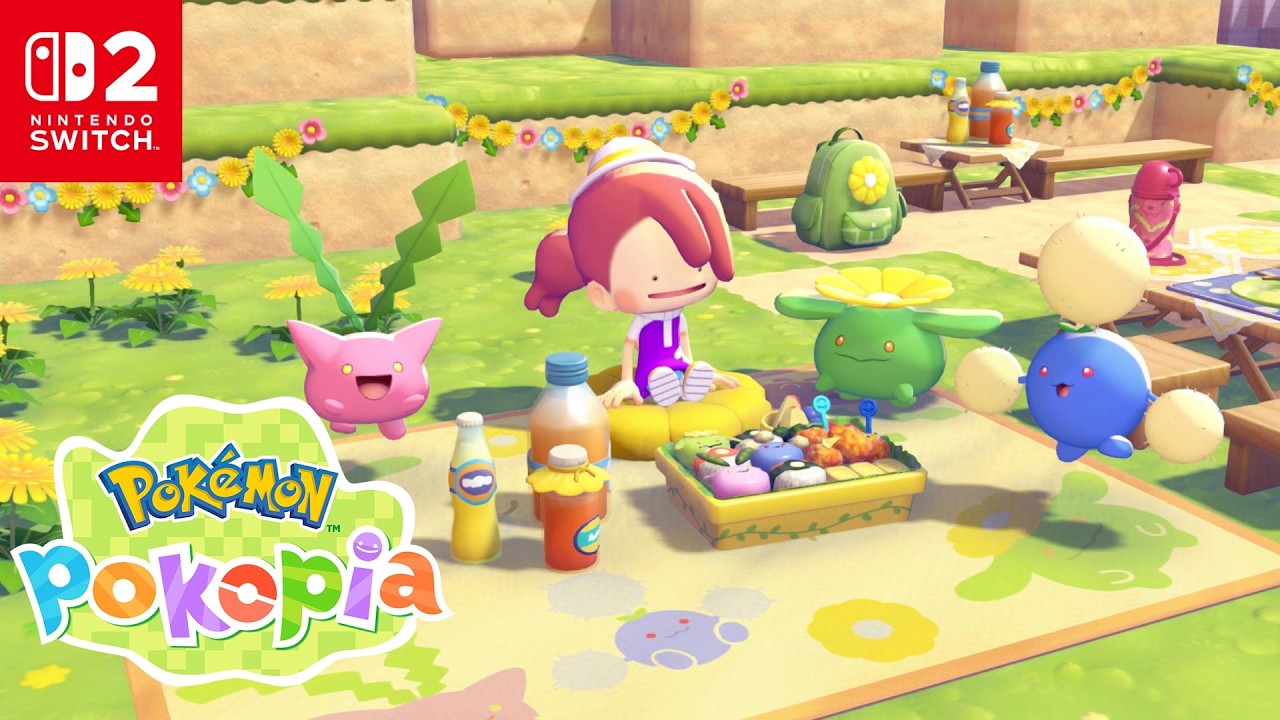
Pokémon Pokopia attracted considerable attention both within and beyond the Pokémon fandom from the moment it was announced. A new Pokémon game was always bound to generate excitement. What surprised many people, however, was how quickly interest in Pokopia spread beyond both longtime Pokémon fans and the broader Nintendo gamers. Even amid the ongoing Switch 2 shortage, some people said the game alone was enough to make them consider buying the console. What explains Pokopia's enormous appeal? And what exactly makes it different from previous Pokémon games? The answer may lie in the game's title itself.
Pokémon titles have long followed a familiar pattern. From Pokémon Red and Green to Pokémon Scarlet and Violet, the mainline games have almost always put the Pokémon name first. Spin-offs have largely done the same, whether Pokémon Mystery Dungeon, Pokémon Trading Card Game Pocket, or Pokémon GO. In that sense, Pokopia stands out. While the global release follows the familiar format of Pokémon Pokopia, the original Japanese title offers perhaps the clearest glimpse of the developers' intent: poco a pokemon(ぽこ あ ポケモン). Rather than placing Pokémon at the beginning, as the series traditionally has, the Japanese title moves it to the end. Interestingly, although Pokémon once again appears at the front of the title in the global release, it is "Pokopia" that draws the most attention. Which raises an obvious question: where did that unfamiliar name come from?
The "poco" in Pokopia seems to come from the phrase poco a poco, meaning "little by little" or "at a gentle pace," while "pia" appears to echo the ending of "utopia." Taken together, the name suggests a kind of utopia built around unhurried living: a place for those who prefer to move at their own pace, and a world meant to be enjoyed without rushing. To understand both the game and its remarkable appeal, we need to take a closer look at the idea of unhurried living that shapes the game itself.
Pokémon's Turn Toward a Slower Pace
Pokémon has always attracted new players, but it is also a series shaped by decades of shared history among its fans. Getting the most out of Pokémon today often means having at least a basic grasp of more than 1,000 Pokémon, along with systems such as types, type matchups, evolutions, abilities, and moves that have accumulated across nine generations. By contrast, Pokopia takes a very different approach. Rather than asking players to draw on decades of accumulated Pokémon knowledge, it relies on only a small slice of what longtime fans already know.
Most of the Pokémon that appear in Pokopia come from the first generation, making them instantly recognizable even to people who have never played a Pokémon game. Because battles are absent from the game, players do not need an in-depth understanding of its mechanics or systems. Simply paying attention to how each Pokémon speaks and behaves is enough to understand what the game is about. That helps explain Pokopia's unusually broad audience, which ranges from longtime fans who know the series inside and out to newcomers who were drawn in simply by the character designs.
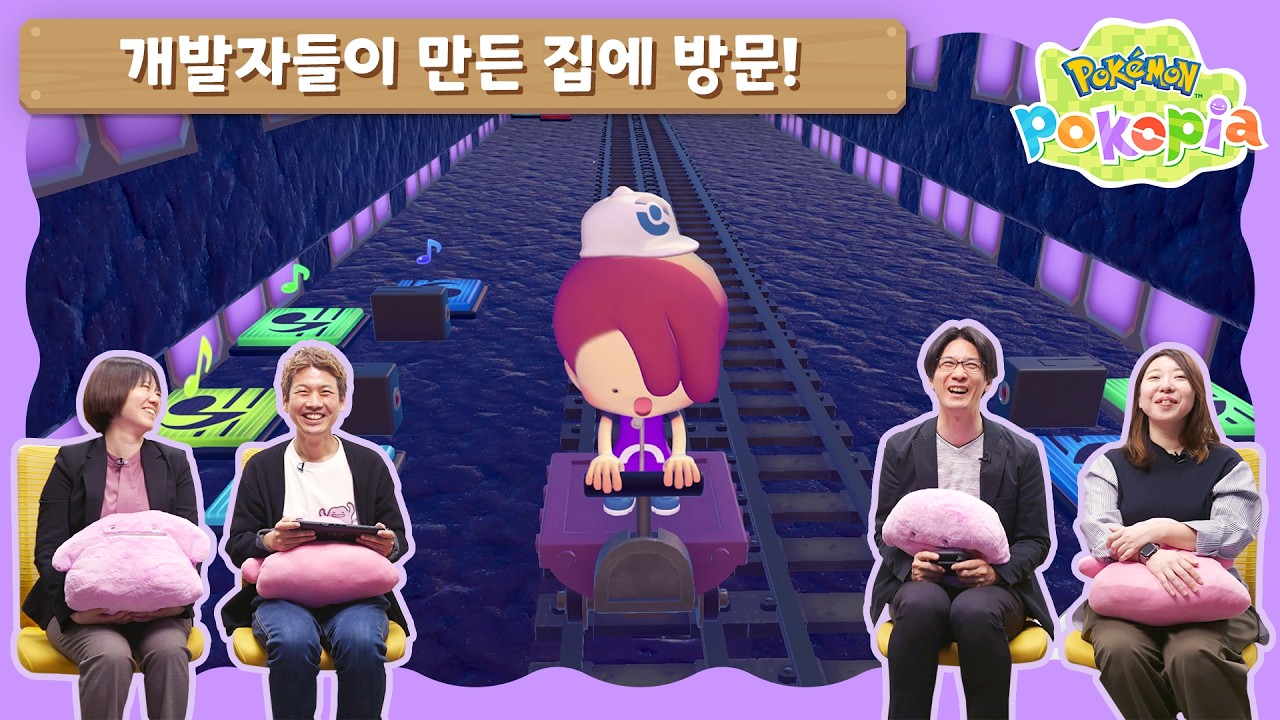
Pokopia's unhurried philosophy is evident from the way the game is structured. The game rarely pressures the player. It is not built around a long list of daily tasks that have to be completed each day, and missing a daily task is unlikely to have much impact on your progress. Nothing in Pokopia constantly demands your attention or pushes you to act immediately. In fact, the game often asks players to wait. Creating a habitat does not mean new Pokémon will appear right away. Do something else, look around for a while, or simply wait, and at some point, new Pokémon will show up. Rather than pushing every player forward at the same pace, Pokopia allows people to approach the game on their own terms and at their own pace. It is a game that is willing to wait for its players.
A Utopia for the Unhurried
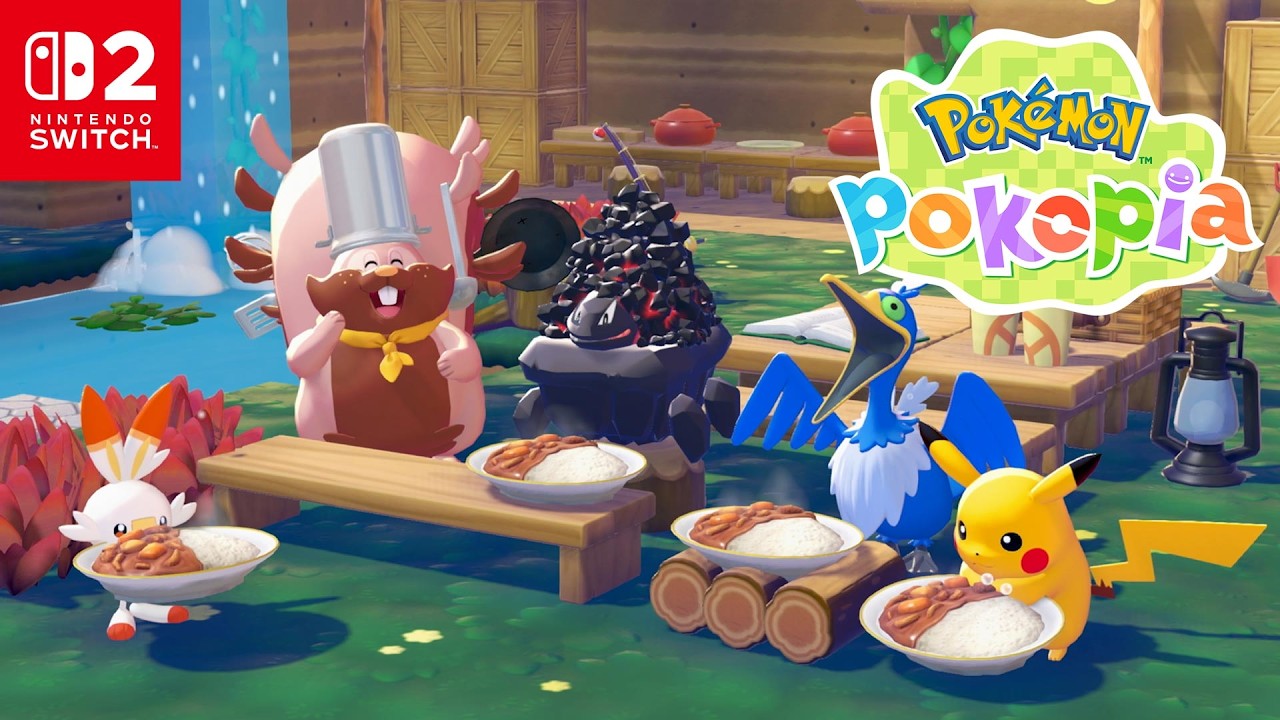
One of the most striking things about Pokopia is the absence of humans. The game is set in a world where humans have disappeared. As a result, every character in the game, including the professor and the playable character, is a Pokémon. The playable character appears human, but is actually a Ditto disguised as one. This simple twist changes one of the series' oldest conventions. While previous Pokémon games centered on human Trainers, Pokopia places Pokémon themselves at the center of the story.
At their core, Pokémon games have always been about the growth of the Trainer. Players take on the role of a human Trainer, encountering Pokémon, catching them, raising them, and sending them into battle in pursuit of victory. The focus has always been on the Trainer, while Pokémon largely serve that journey. Of course, the series has often portrayed Pokémon as companions, friends, or even family. Yet they have almost always existed within the Trainer's story. Rare Pokémon became prized additions to a collection, and a Pokémon's growth ultimately became part of the Trainer's own success story.
In Pokopia's world, where humans are gone, Pokémon take on a very different role. There is no player racing to complete a Pokédex. No one is trying to climb the ranks. With human achievement removed from the equation, Pokémon no longer function as someone's battle assets or prized collectibles. They simply exist as themselves. Here, Pokémon rest, walk, play, and spend time together. Freed from the human gaze, from competition, efficiency, and the desire to collect, they are finally able to exist according to their own rhythms.
Players are also asked to protect that sense of unhurried living. In Pokopia, their primary task is ecological restoration. In a damaged world, they water plants, grow flowers and grass, and help rebuild habitats where Pokémon can thrive once again. What matters is that the player does this not as a human outsider, but as a Ditto, one Pokémon among many. As a Pokémon, the player lives alongside others and forms relationships with them. The player is no longer set apart from other Pokémon. Ditto may be versatile, but it is still just another Pokémon, and its abilities are simply imitations of powers other Pokémon already possess. Every action the player takes is therefore rooted in reciprocity. Rather than using Pokémon as a means to an end, the game encourages players to live alongside them. This stands in sharp contrast to the mainline series. Traditionally, Trainers explore the world in search of Pokémon to catch, discovering habitats as part of that journey. In Pokopia, the player, as a Ditto, restores those habitats so that different Pokémon can live there once again.
Pokopia imagines a different kind of world: not one built on growing faster, owning more, and constantly pushing forward, but one where those who move at a slower pace can survive without having to become something else. Through the familiar world of Pokémon, the game invites players to imagine that possibility. The utopia Pokopia dreams of is not a grand one. It may look more like a Bellsprout resting beneath the shade of a tree, a Charmander slowly making its way down a newly built path, or a Bulbasaur and Squirtle chatting by the roadside. And that is where Pokopia finds a new way of looking at the Pokémon world. Instead of urging players to collect more, become stronger, and keep pushing forward, it asks them to create a place where Pokémon can simply live at their own pace. In that sense, Pokémon Pokopia is a utopia for the unhurried: a game that does not treat slowness as a deficiency, but embraces it as a way of being.