Even after having known this group for ages, it’s hard to pin down exactly what they’re about. A retro Y2K-leaning sound, music videos with a mix of low-resolution Nintendo 3DS footage and bygone social network Cyworld, and a careful distance from the term “girl group” despite all the intricate choreography and themed costumes. All of it seems to undercut their claim to being an indie band, and yet their music video for “Collect Call Garage,” a song that hovers somewhere between real and imagined nostalgia, has racked up well over 370,000 views—a figure that’s hard to come by for an indie band hardly a year into their career. That faint imbalance of something otherwise so familiar naturally brings to mind the tomato itself—a vegetable so often mistaken for a fruit.
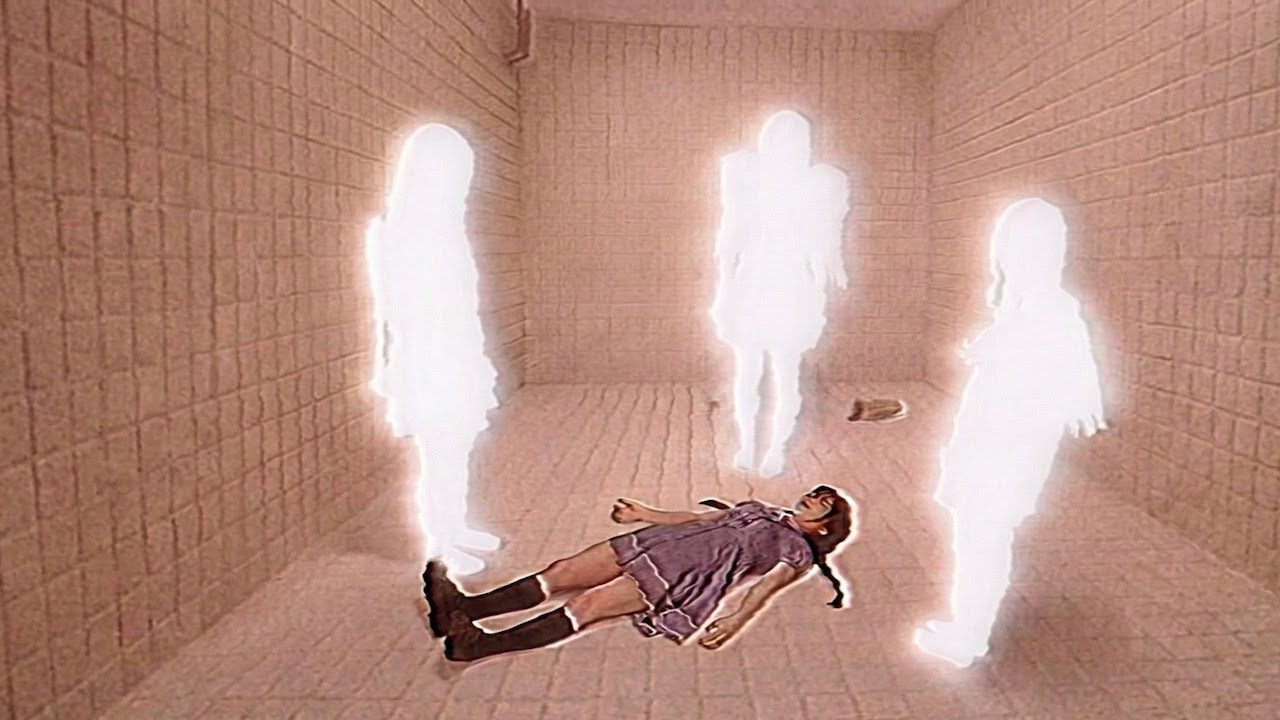
You might wonder how a group this hard to define suddenly appeared out of nowhere, but all three members have been making names for themselves as musicians for a good while. sueun and quinn_ are solo singer-songwriters with around seven years under their belt each, and gotoyo has played bass on songs for a range of other artists. The approach they decided to excavate to reach a wider audience was the Shibuya-kei trend, the common thread they all share at their roots. It isn’t about simply imitating a musical style but the care they’ve put into reviving the specific vibe of the early 2000s, when the movement really took hold in Korea. Traces of FPM (Fantastic Plastic Machine) and MONDO GROSSO, who reworked Brazilian jazz and bossa nova into lounge music, come through in the band’s debut song, “Tomma Nova,” and honestly, that’s exactly what you’d expect.
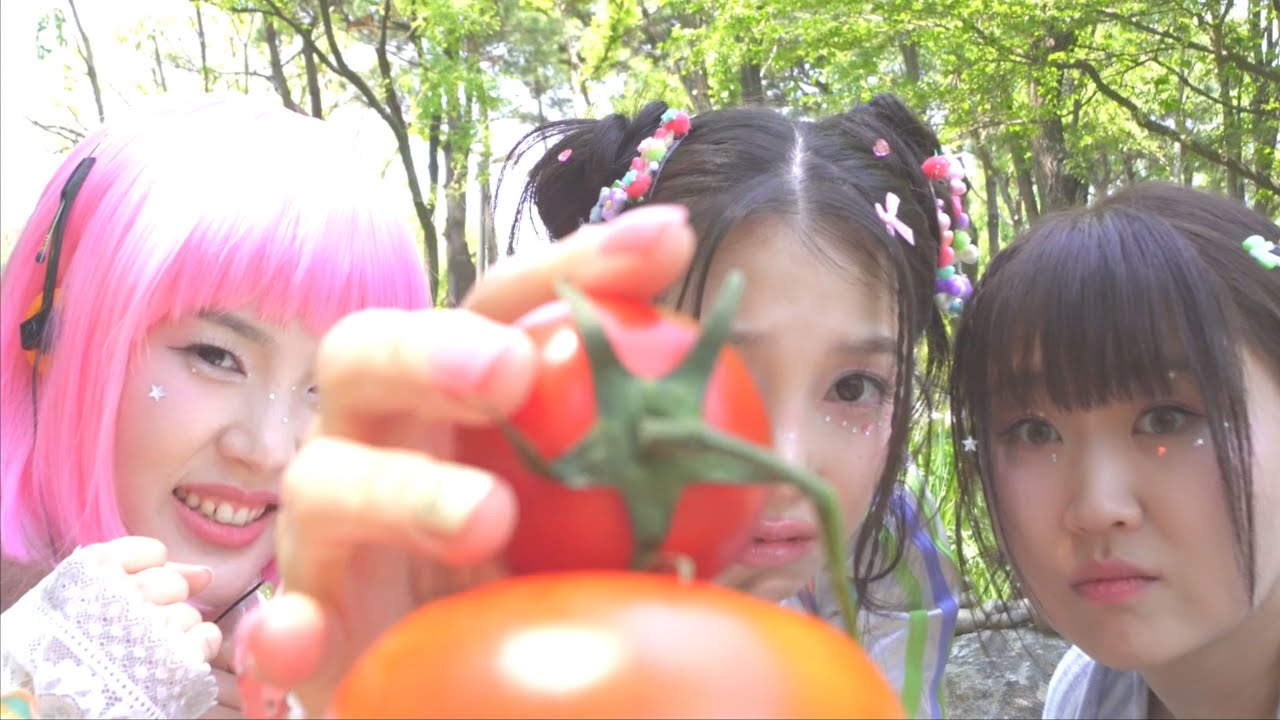
A Korean take on Shibuya-kei that revisits the Cyworld aesthetic
It’s only natural that people picture different things when they hear the term “Shibuya-kei.” It was never a genre held together by a single sound to begin with. The standard account traces the name back to SHIBUYA RECOMMENDATION, a selection curated by Hiroshi Ota, a buyer for HMV in Shibuya. At a time when South American and European records that had gone unreleased in Japan were flowing in, Ota’s corner was stocked with handpicked local artists influenced by pop that felt exotic and kitschy all at once. It’s no exaggeration to say that artists like Flipper’s Guitar, Pizzicato Five, and Original Love—all curators who mastered the cut-and-paste approach—were bundled under a single name largely because of that one shelf.
One honest comment here: Saying Tomatomat’s influenced by Shibuya-kei is only half true. What they’re actually drawing from isn’t the textbook stars of the genre but Korea’s image of Shibuya-kei. Specifically, their aim is focused on Cyworld mini-homepage background music from 2003 and 2004. It works almost like a catch-all term for Japanese music with a jazz-and-lounge vibe in general, bundling together artists like HARVARD, FreeTEMPO, DAISHI DANCE, and paris match. In other words, the Shibuya-kei they’re after isn’t so much the real deal as an image pulled from memory, summoned back for the present day.
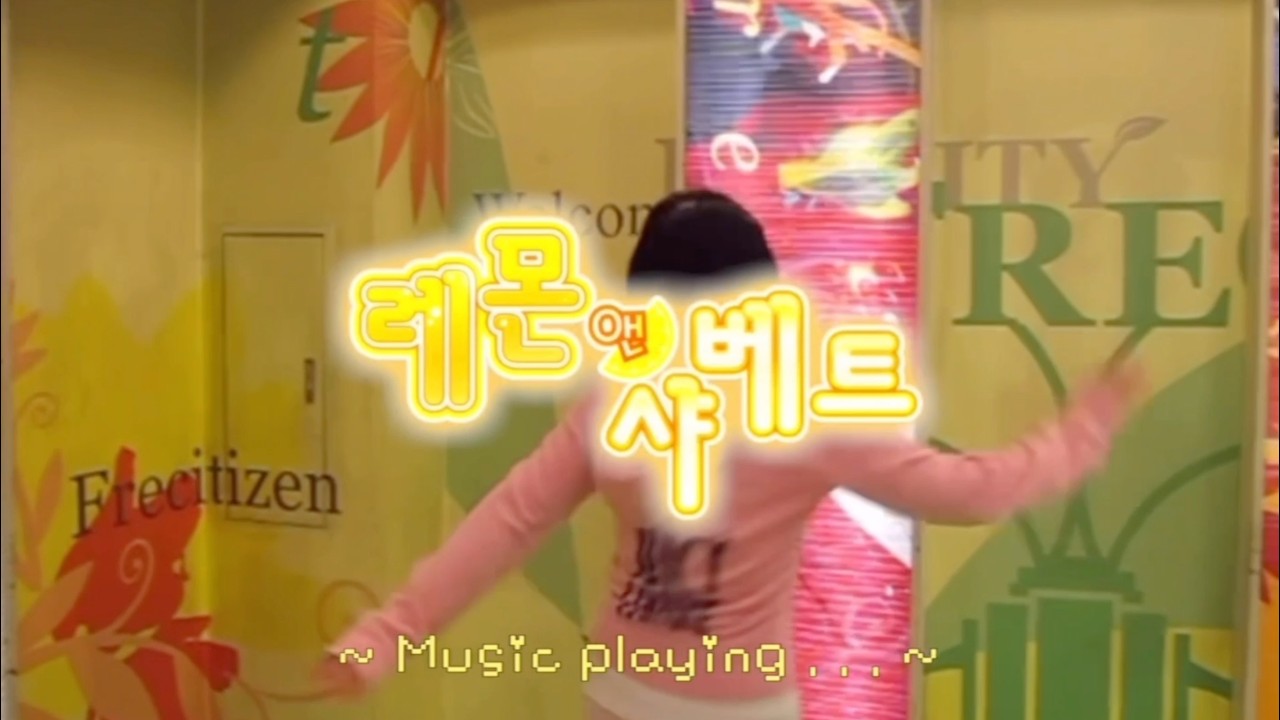
Their EP “TOMATOMAT DOSIRAK” hints toward the proof of that. It opens with the aforementioned “Tomma Nova,” then moves onto “Mushroom House,” a blend of the kind of technopop Yasutaka Nakata perfected on Perfume’s “Polyrhythm” with the emotional register of a theme song for a Korean animated series. Next is the Hawaiian-vibe “Lemon & Sherbet” and its echoes of Humming Urban Stereo. “Collect Call Garage,” the song at the center of all the buzz, is right on the dot when it comes to the Korean view of neo-Shibuya-kei—the kind of sound embodied by FreeTEMPO and DAISHI DANCE. But the most decisive piece of evidence is “Orange Runway.” Even setting aside the ’90s Japanese R&B stylings recalling MISIA or Hikaru Utada, the melody instantly calls to mind H.O.T.’s “Go! H.O.T.!” and S.E.S.’s “I’m Your Girl”—so much so that there’s no room left to even consider reference points outside the country. Had they been chasing authenticity, this is a choice that never could have made the cut. If anything, it’s proof that the group treats Shibuya-kei not as a genre per se but as an attitude and a means in service of achieving a goal.
From music to visuals, Tomatomat is DIY through and through
Even so, there are places where they’re directly in step with the original concept. Their album covers, illustrations, YouTube videos, and promotions all come together to form a single, consistent vibe. Shibuya-kei was a movement that went beyond music. It was a whole way of life, from fashion to an entire lifestyle, and this echoes how Mitsuo Shindo, who worked on an amazing amount of related artwork, tied together the distinct images of different musicians into one unified feel.
This is the same reason they were able to form a band despite coming from such different backgrounds. gotoyo was both a live and studio bassist and an arranger of songs of various genres, while sueun learned everything that goes into an indie operation firsthand with the band toasterz. quinn_ became head of the label UNGA, where she’s worked as a visual director. Production, day-to-day operations, and design—all three pillars were already built into the group from the start. That means the group members were splitting up most of the functions an agency would normally outsource, which makes DIY less a philosophy for them and more a simple condition of how they came to exist.
David outcooks Goliath
Hideki Kaji, one of the most notable Shibuya-kei musicians, once recalled in an interview that what really mattered was digging up source material nobody else knew about and putting it on display, and that the common factor among musicians was a desire to use those songs to leapfrog the mainstream. For that first generation, the real battle was over sources no one else had found. Scarcity became a currency. But Tomatomat is the polar opposite. Since they’re aiming at time travel, their task shifts to wringing out as much magnetic originality as they can from material everyone’s already familiar with.
In the 1990s, a movement born on the streets of Japan overtook the mainstream, but that can’t be replicated in present-day Korea, where big capital dominates the mainstream. So instead, they’ve set their sights on setting up a small universe of their own. It’s a kind of offer: Maybe they won’t turn the world on its head, but they can at least make your day a little more fun.
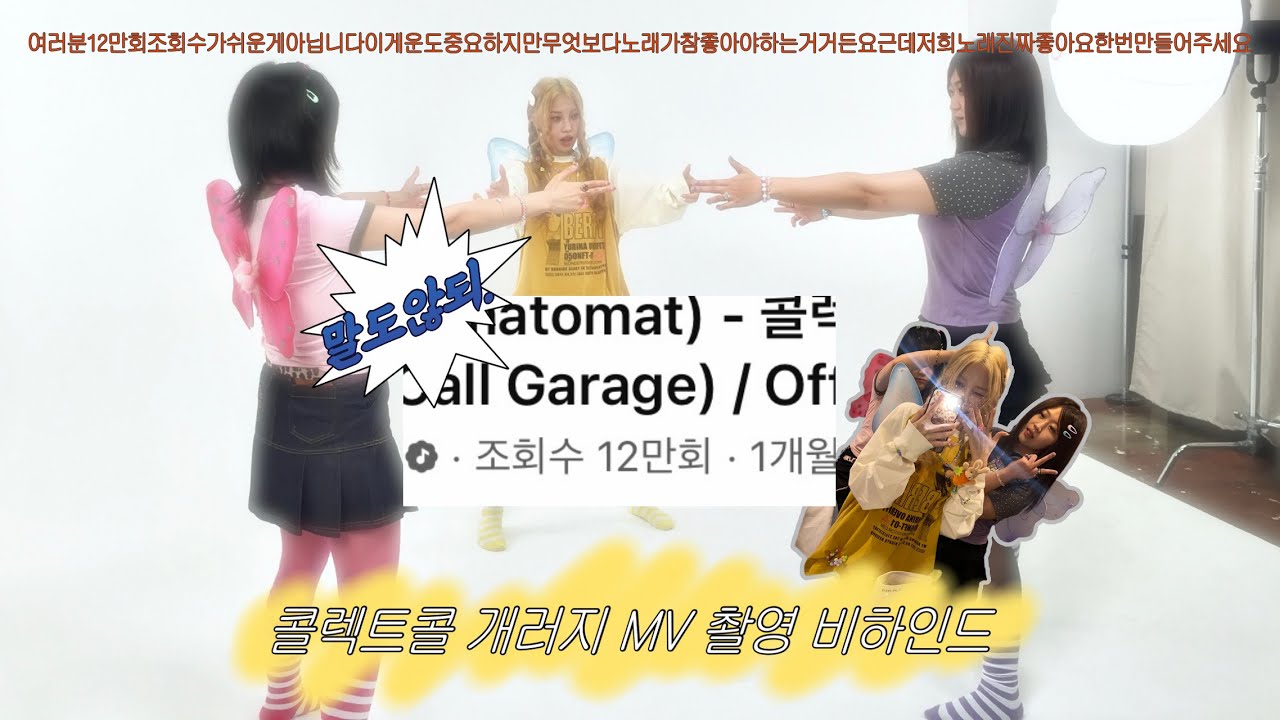
They have two secret weapons for making that ambition a reality. One is the power of K-pop promotions. Unlike most indie musicians, who place most of their focus on music releases and live shows, Tomatomat actively produces YouTube videos and held a “TOMATOMAT DOSIRAK” showcase, which they called a taste testing event. Sometimes they lead with choreography instead of instruments, and their live shows come with a dress code. They orchestrate ways to engage with their fans across a whole range of outlets. In other words, they’re running the kind of promotional playbook that’s become a hallmark of the big agencies—one designed to encourage fans to actively participate and reinterpret the work.
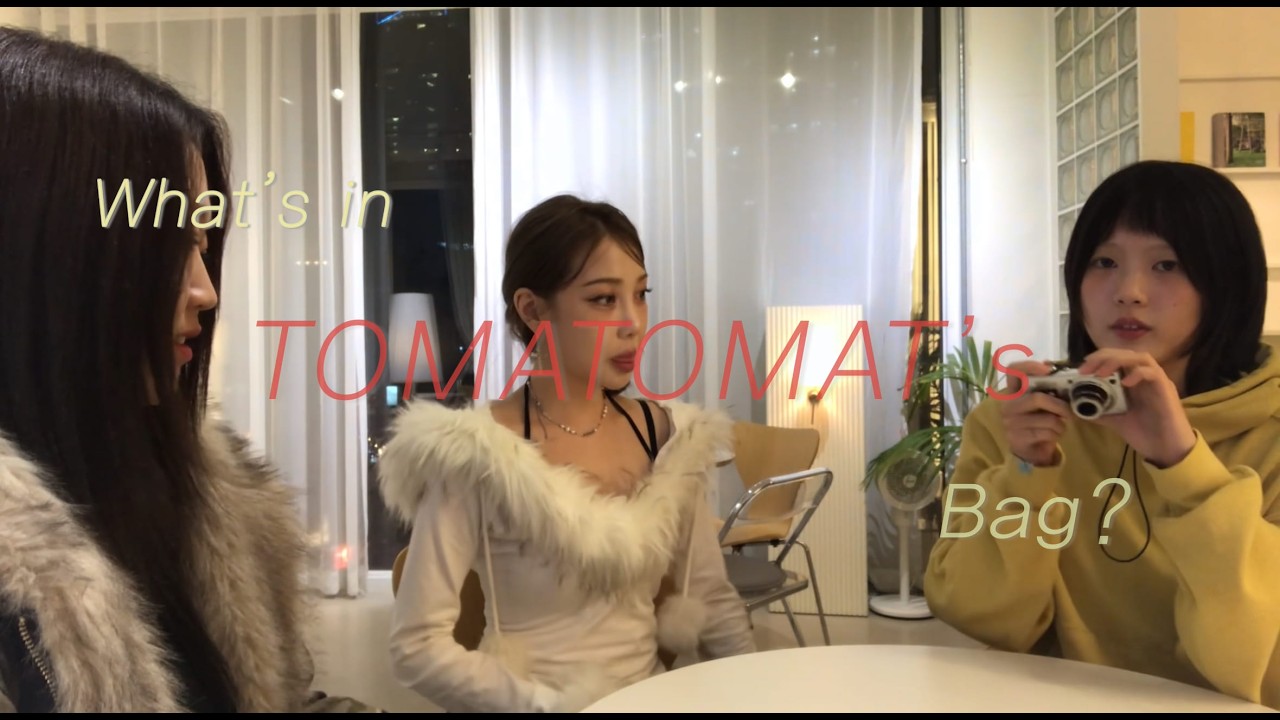
The other’s the power of the remix. As previewed with the EP’s final track, “Collect Call Garage Part. II,” this band likes to mess with their songs onstage. They construct a new intro, rework the structure, or throw in a fresh beat, keeping themselves from being restricted to reinterpreting the past, always moving steadily forward to the present instead. It’s proof that nostalgia isn’t something stuffed and mounted, but a living thing that can keep renewing itself.
A taste of tomato, fresh from memory and delivered to 2026
There’s a growing tendency for musicians to adopt the past not literally as it was but in an edited form that casts them in a unique light. Good examples include Gliiico, the three-brother band recently reviewed in “Weverse Magazine,” who substitute Japan with the name of “a Japanese food company whose products were part of their childhood,” as well as TUIDE, who, in chasing their “soultronic” sound, owe a simultaneous debt to 1990s R&B soul, G-funk, and the Korean Shibuya-kei previously mentioned. It’s probably no coincidence, either, that Tomatomat had a hand in writing the lyrics to KiiiKiii’s new song “Ever2Late!” Upward, and downward, too. This inclination is circulating through the whole of Korean pop music right now.
The tomato juice you drink today will never taste exactly like what you drank back in the day. Memory always runs a little sweeter, or a little more sour, than the real thing. What Tomatomat does isn’t to restore that time, but to rebuild, from scratch, the very way we remember that taste, much in the way vaporwave summoned city pop into the present through a strange, surreal sense of nostalgia for something you can’t even be sure ever really existed. So the question of indie bands or girl groups was misplaced from the start. They’re the latest entry in a long line of artists where the act of curation shapes the genre, one where there was never any real line separating bands from idols to begin with. In an era where you can’t change the prevailing winds, this trio is simply offering up the most authentic form that counterculture can take—packed into a plastic lunchbox with a cartoon character on it.