After finishing a drama about people living with their superpowers hidden, questions linger. How did they go on with their lives? Could there be others with similar abilities? Fortunately, viewers of “Moving” have somewhere to turn: other webtoons by its creator, Kangfull. They can revisit the story they have already seen or explore the world that continues in “Timing” and “Bridge.” The drama may be over, but there are still stories left to read. This is where the synergy between webtoons and their drama adaptations begins.
When a drama based on a webtoon becomes a hit, familiar headlines tend to follow: views of the original webtoon multiply, and sales jump several dozenfold. According to Kakao Entertainment, in August 2023, when “Moving” was released, combined sales of the original webtoon on Kakao Webtoon and KakaoPage were about 35 times higher than in June, before promotion for the screen adaptation began in earnest. During the same period, sales of Kangfull’s other works, including “Bridge” and “Timing,” also rose. The popularity of a single drama spread to other stories the creator had built up.
“Moving” was serialized in 2015. But a webtoon does not stop finding new readers just because its original run has ended. Webtoons give dramas their characters and worlds, while dramas bring in new readers. If interest in the original leads readers to other works, a single drama can become a gateway to many more.
Why experience the same story twice?
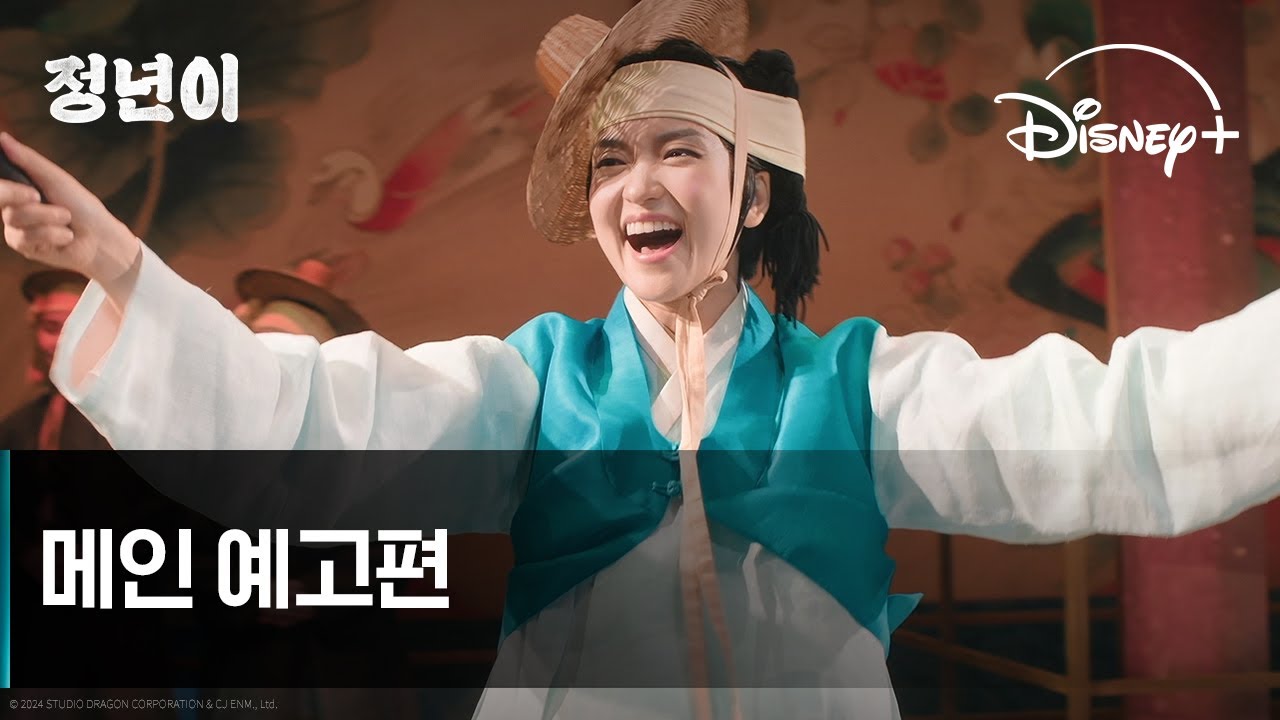
So how is experiencing the same story as a webtoon different from watching it as a drama? Consider “Jeongnyeon,” by Seo Ireh and Namon. In the webtoon, which depicts the world of gukgeuk, a Korean theatrical genre traditionally performed by all-female casts, readers imagine sound through the artwork, text, and arrangement of panels. Still images make no sound, yet readers can sense just how extraordinary Jeongnyeon’s voice is. The drama adds the actors’ voices and movements, turning the performances readers had imagined into something they can actually see and hear. The original creators have said that they, too, were moved by the drama’s sound and dance, music, and stage direction.
What the drama gains from the original is equally clear. The webtoon “Jeongnyeon” had already made readers curious about an unfamiliar world and encouraged them to root for a theatrical tradition they did not know. The original offers not only a story, but also a way to draw readers into that world. Building on this foundation, “Jeongnyeon: The Star is Born” was able to take on new challenges. This is what it means to say that the diversity of webtoons broadens the possibilities for screen content.
Of course, every adaptation requires choices. Kwon Buyong, who was left out of the drama, has an important relationship with Jeongnyeon in the original webtoon. But it would be too simplistic to say that this difference merely gives viewers a reason to go back and read the original. When a character disappears, so do the relationships they formed, and the meanings conveyed through those relationships change as well. Appreciating what the drama accomplished and considering what the original conveys are not mutually exclusive. Experiencing both works allows us to see exactly where they differ.
When webtoon storytelling becomes the language of drama
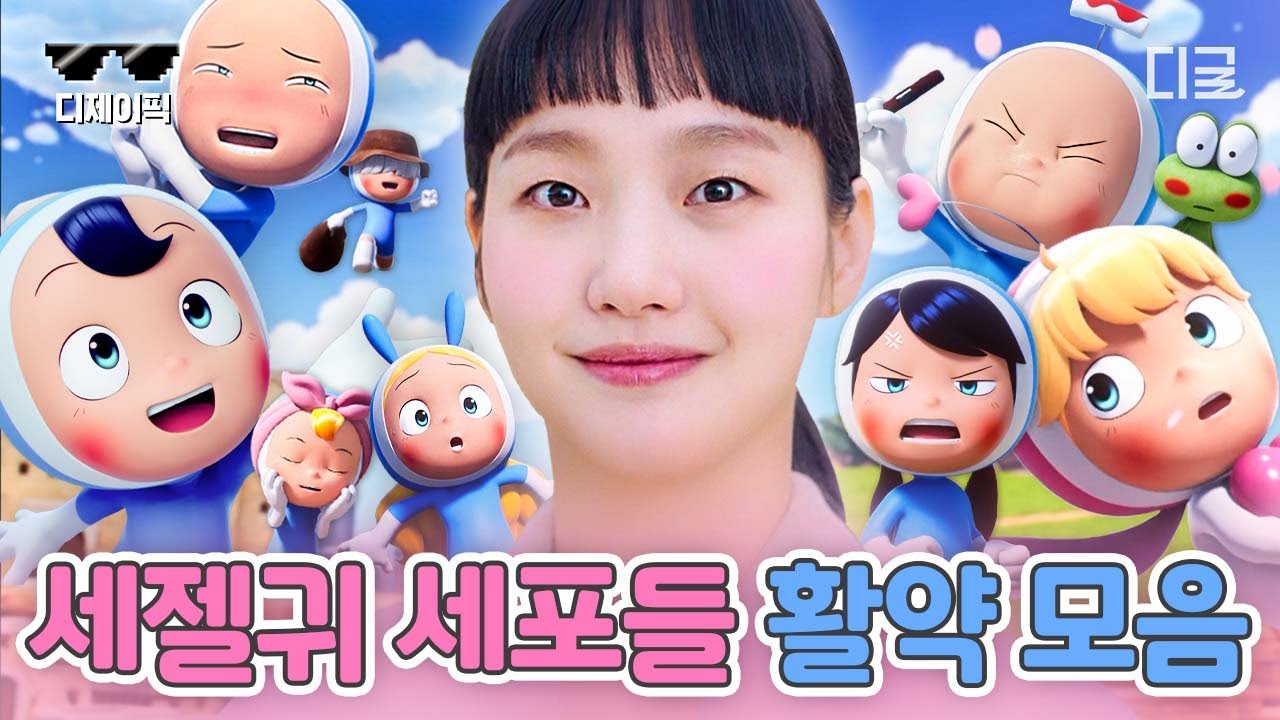
In Lee Donggeon’s “Yumi’s Cells,” the webtoon’s very mode of expression becomes a defining feature of the drama. Yumi may be sitting still, but inside her head, chaos is unfolding. Her feelings of love clash with rational judgment, while her cells scramble over whether she should say something or stay silent. It is something we all experience every day. We just do not have adorable cells in our heads to explain it for us. The webtoon portrays these complicated emotions through the actions of the cells, while the drama preserves that structure by combining live action with 3D animation.
The cells are protagonists in their own right, revealing the emotions and desires Yumi cannot bring herself to express. Even as her romantic partners change, Yumi’s life goes on. This structure also lends itself naturally to a multi-season series. After all, the end of one relationship does not mean the end of her struggles with work and love.
The renewed attention to earlier seasons ahead of the 2026 release of “Yumi’s Cells Season 3” demonstrates the strength of that structure. Viewers’ attachment to characters who first took shape in the original webtoon has endured for years. But increased viewership for earlier seasons does not necessarily mean that the webtoon has gained more readers. Growth in OTT subscriptions, sales of character merchandise, and growth in readership of the original webtoon are separate outcomes that need to be measured individually.
That is why there needs to be a clear path back to the original webtoon. Audiences should be introduced to episodes left out of the adaptation and storytelling techniques unique to the webtoon, while international viewers should be shown where to find translated versions and which services offer them. If viewers become interested but do not even know where to read the webtoon, that interest is unlikely to last.
Do drama viewers become webtoon readers?
YOON and Gumdung’s “A Bona fide Killer” shows the potential to take this a step further. According to Kakao Entertainment, views of the original webtoon on KakaoPage and Kakao Webtoon were ten times higher from August 3–9, after the drama began airing, than from July 20–26, 2026, before it aired. Promotions timed to coincide with the drama’s release also helped generate interest. The protagonist’s double life as a working mother and a killer became part of the drama’s appeal, while seeing the character and action on screen gave viewers a reason to seek out the original webtoon.
The original webtoon was still ongoing at the time. Readers who discover a completed series can read all the way to the final episode, but those who find an ongoing series catch up and then have to wait. Someone who started out watching the drama may find themselves waiting for the next episode of the webtoon.
To determine whether this potential translates into lasting change, we need to look at different numbers as well. Alongside sales immediately after a drama’s release, we need to examine how many new readers make it to the latest episode and whether they are still reading the webtoon months later. For works that ended long ago and have since seen readership decline, the baseline for comparison may be low. Free episodes and discounts can also affect readership. A first visit is an encouraging result. But whether that reader comes back is a separate question. For a temporary resurgence in popularity to translate into greater vitality for the market, that initial interest needs to lead to continued engagement.
The next step, then, is shaped by how platforms curate content and how readers interact with one another. If a reader was moved by the competition and solidarity among women in “Jeongnyeon,” the next recommendation does not necessarily have to be another period piece. Platforms can connect that preference to other works. Readers, too, can create new opportunities to engage with a work by sharing their responses and recommending works to one another.
Building a foundation for success to fuel new creation
Readers interpret works, notice differences between the original webtoon and the drama, and shift their perspectives through other people’s responses. That is why it is important to create spaces where they can develop and share these ways of engaging with a work. Discussion groups that bring the original webtoon and the drama together, features that highlight reader reviews, and conversations with creators where interpretations can be shared are all possible approaches. There should be spaces and opportunities to talk about webtoons just as there are to talk about dramas. If those conversations lead readers to discover another work, their interest can last longer.
Creators also need the conditions to keep producing new work. If a drama brings in new readers, accelerating the publication schedule by releasing multiple episodes at once to meet immediate demand may help boost revenue in the short term. But pushing ahead with an unreasonable schedule without sufficient coordination and preparation can create problems not only for future content production but also for the webtoon’s continued publication after the drama ends. Above all, creators must be given the time and compensation they need to produce new episodes and prepare their next works without being pushed beyond reasonable limits. Platforms, too, should introduce new creators and unfamiliar stories rather than focusing on projects similar to previous successes. If drama viewers are to become webtoon readers, and if the new experiences those readers look forward to are to continue, the conditions needed to sustain diversity — the starting point for what comes next — must remain in place.
A webtoon that finished its run long ago can become a story someone discovers for the first time today. Someone who once waited for the drama to premiere can find themselves waiting for the next episode of the webtoon, then wondering what the creator will make next. This is the most welcome change that comes from adapting webtoons into dramas: carrying that interest into the next experience, and the success of one hit into the next work. If the story is to continue even after the drama ends, what we need to prepare for is precisely what comes next.