I still remember the first time I heard Tinashe’s debut album, 2014’s “Aquarius.” Back then, the hazy character and dreamy vibe of alternative R&B were already well-worn territory for plenty of artists. Even so, “Aquarius” polished that familiar feel into something extraordinarily smooth.
Her voice spread like fog between the dark synths and thick bass, the clear melody of the hook settling softly into the sultriness. It was an album notable less for its novelty than its pure craft. She took a style that was everywhere at the time, buffed it up to shiny perfection, and made an indelible impression on it with her voice and overall sound. In one smooth motion, the up-and-coming Tinashe left her mark on the music world.
She may have made a very clear first impression, but Tinashe’s career took a more complicated turn from there. Her single “2 On” was a big hit, but her 2018 album “Joyride” was plagued by repeated delays while she was signed with RCA amid friction over her direction. She ended up leaving the label in 2019 and released her fourth album, “Songs for You,” independently. It turned out to be the start of a new chapter for her.
Then came 2021’s “333,” 2023’s “BB/ANG3L,” and 2024’s “Quantum Baby,” and with them a steadier release schedule and a wider musical range. Interest in Tinashe surged again in 2024 when “Nasty” became a hit. Importantly, she connected with a bigger audience while keeping the sound she’d honed since going independent. In other words, with her decade-plus of experience and instinct, she greatly opened up her options on how to use it.
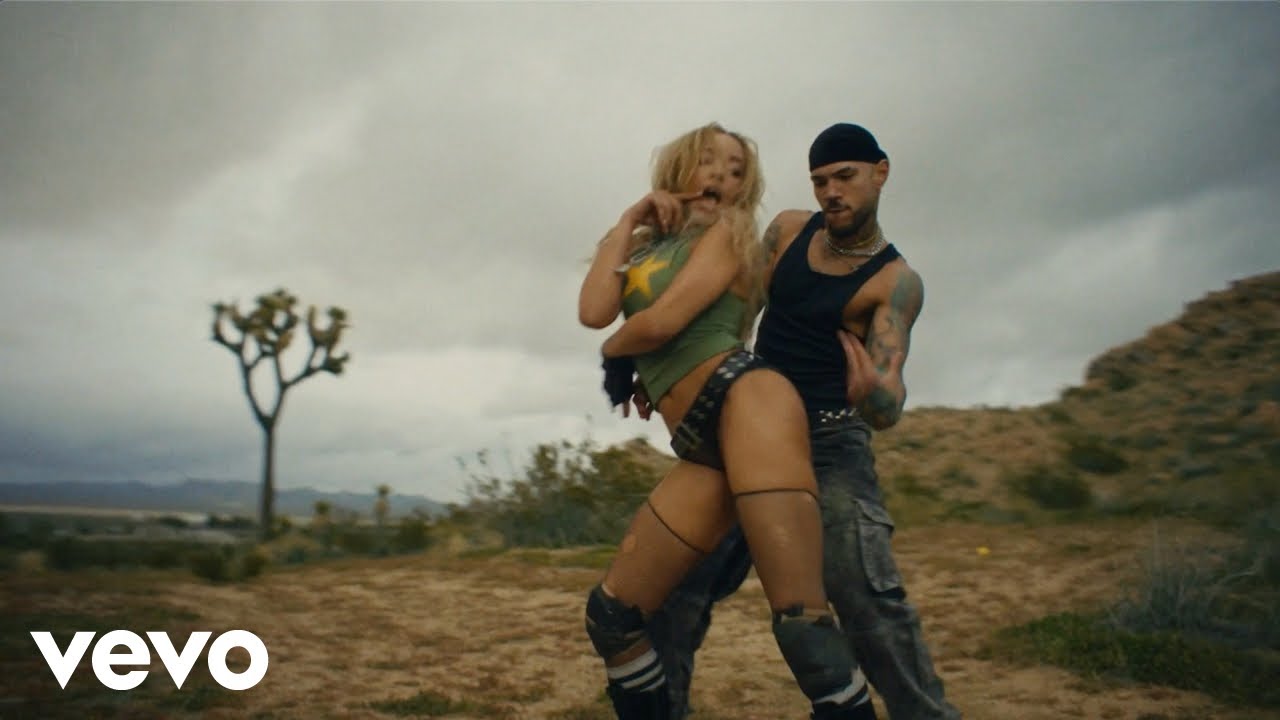
When I listen to “Popstar,” her eighth album to date, I get the same rush I felt with “Aquarius” 12 years ago. Even back then, her attention to detail when mixing and matching well-known markers of genres stood out, but today, Tinashe directs her instinct with even more skill and adaptability. She hops between electronic, R&B, and pop at will, changing up the style and mood with every song. And her vocals take every one of those dramatic swings and pull them together into one cohesive album.
The title’s flashy, but the music never holds one pose for long. From pop and club tracks that you can’t help but move to, to alternative R&B built around synths that linger in their sparse surroundings, the rhythm, sonic texture, and overall mood change as each song follows the next.
And Tinashe’s vocals move right along with them. She works her way between the music in a thin falsetto, adds tension to the beat with short vocal phrases, and can anchor a song with a clear melody when it calls for one. When you can wear this many hats in your music, “Popstar” is a very fitting title.
The opener, “Sunglasses,” is a bold collision of cold, unconventional electronic music with alternative R&B vocals. Producers Machinedrum and Arca gave it layers of screwy electronica and a warped rhythm that knock the beat off balance right out the gate. As the sound keeps shapeshifting, Tinashe’s falsetto lines stack up like thin sheets only to scatter on the wind through the musical cracks. Even on a song with its producers’ fingerprints all over it, it’s really her vocals steering the overall texture and flow that stand out most.
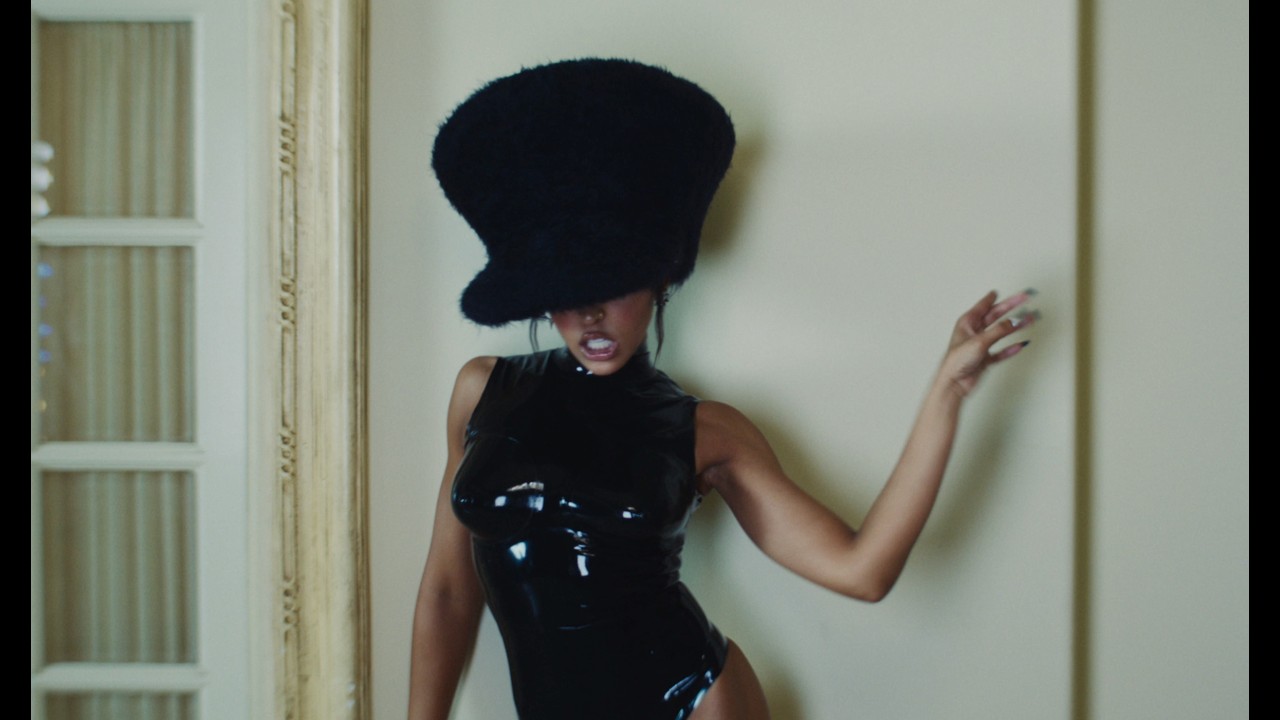
Then there’s “Melatonin,” a nonstop rush of rapid four-on-the-floor beats. The synths and bass wriggle their way overtop, and the sound grows thicker and fuller as the song progresses. Tinashe’s vocals work their way in as part of the rhythm itself, burrowing deep into the beat through choppy, repetitive bars. Both “Popstar” and “Melatonin” appear in the first few tracks of the album, and these two songs alone are enough to tell you that Tinashe’s latest release isn’t playing by the rules of pop music.
The next track, “Empty Stadium,” has the beating pulse of a club hit but uses the space differently. The beat still pushes forward, but it provides plenty of breathing room around the vocals, allowing the strings to hang in the air. Here, Tinashe calmly sings about her anxieties surrounding recognition and her sense of self, filling all that open space with a long-lasting emotional afterglow. The song finds its sweet spot balancing club momentum with a hushed, forlorn feeling.
“I’d Rather Be Alone” is where the power of melody shines brightest. The melody climbs toward the chorus, and Tinashe’s vocals rise right along with it, holding onto the song’s emotion without dressing it up. On an album where so many tracks immediately grab you with their rhythm and sonic texture, “I’d Rather Be Alone” stands out on the strength of the core melody.
On “Crash Out,” you can hear the intertwining of hip hop and R&B that’s been a through line of Tinashe’s music since her “2 On” days. The drums and synths give the singer plenty of room to play with the elasticity of the beat, playing with how early or late she drops each word and how long she holds it for. It’s a welcome addition and one of the spots on the album where her R&B side comes through most clearly.
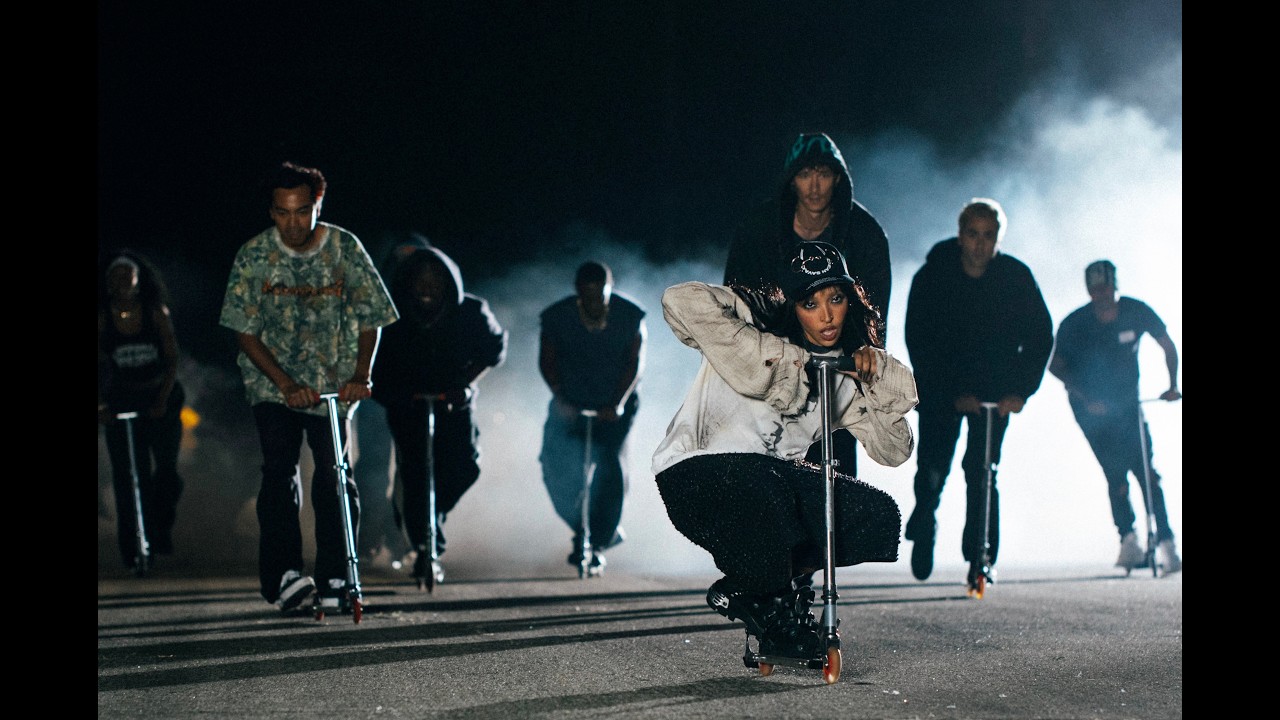
The short track “The Show Must Go On” leads into the titular “Popstar” seamlessly. Produced by Kingdom and Ricky Reed, it’s a sleeker, softer song compared to the rougher, rawer electronic tracks that precede it. The melody’s more straightforward, too. With a title like that, you might expect it to be the biggest, boldest song on the album, but it’s actually light and breezy. The same goes for Tinashe’s vocals, which lightly play upon the beat. It’s the unexpected twists that make “Popstar” so appealing.
Given the producers all have such distinct styles, so do the songs. Tinashe, though, switches up her vocal style from track to track, adjusting for strength and space to suit each producer’s approach, and ties it all together into one seamless stream of music. There was already great chemistry between her singing and the music on “Aquarius,” but it really comes into focus on “Popstar.” Now Tinashe can change the whole feel of a song through her voice alone.
Since going independent, Tinashe has steadily found more and more freedom to call the shots with her music. “Songs for You” and “333” gave her more options, “BB/ANG3L” and “Quantum Baby” were all about refinement, and the success of “Nasty” proved that mainstream audiences could still connect with the direction she was pursuing. Take all of those ingredients and put them together, and that’s what “Popstar” sounds like. In 2014, Tinashe was new to the scene, though with a great ear for what worked within the context of mainstream R&B. Today, she knows exactly which of her tastes and strengths to play to, and how to turn them into outstanding music.
“Pop star” feels like a label that captures both the sheer breadth of Tinashe’s range and the freedom she enjoys within it. On “Popstar,” that freedom is her secret musical weapon.
- The Weeknd in five words2026.10.02
- CORTIS and hip hop2026.09.10
- Three Drake self-portraits2026.06.24