
“HMM”
Song Hooryeong: Some stories begin with a one-line memo. The same goes for “HMM,” the podcast hosted by LE SSERAFIM member HUH YUNJIN. “Through creation or through documentation, we can keep today’s version of me alive somewhere,” she says during the first episode, spreading out the journals and other notes she wrote down prior to her debut to look back on the past. She opens up about the worries, the uncertainties, the regrets, the interpersonal relationships—every experience, big and small, that shaped her into who she is today. This act of writing, of creation, to hold onto who you are, goes a long way to explain why HUH YUNJIN’s personal story of her “form of self-love” begins with old notebook paper.
“Every time I see you, maybe on your live or your interviews, I love how you’re so ready to tell your stories,” dancer LEEJUNG tells HUH YUNJIN when she shows up on the podcast. The LE SSERAFIM member shares her thoughts on the challenges she’s faced in her life and opens up completely about the questions she still harbors. Why the term “god-saeng” and “living like a god” rubs her the wrong way, the little personal habits and guidelines that make life a little more interesting, how to protect yourself from “villains”—the ways she probes her own life turn into conversation starters with others. When she launched the podcast, HUH YUNJIN also spoke about what first made her dream of becoming a K-pop idol, saying, “The impact you could have on so many identities was so big to me.” “HMM” comes across as one more outlet for the “thoughts and all these memories” from someone who’s no stranger to expressing her views through music and the stage, but also a way to “hopefully inspire you guys to also start documenting your life.” And maybe, just as she hopes, somebody somewhere in their room is getting started on a new story right now.
The next episode of “Huh’s Memo (HMM)” comes out October 19 at 7 p.m. KST on STAN:A’s Spotify, YouTube, and Mnet Plus channels.
“The Holy Boy”
Nam Sunwoo (“CINE21” reporter): It’s a banner year for horror. The first half brought us “Salmokji: Whispering Water” and “Backrooms,” the second half “Obsession” and “Resident Evil,” and the first release of the remastered “The Wicker Man: The Final Cut.” All of this has fans of the genre fired up, with Jessica Chastain’s chilling transformation in “Other Mommy” and the DC Universe body horror “Clayface” still to come to Korea in time for Halloween.
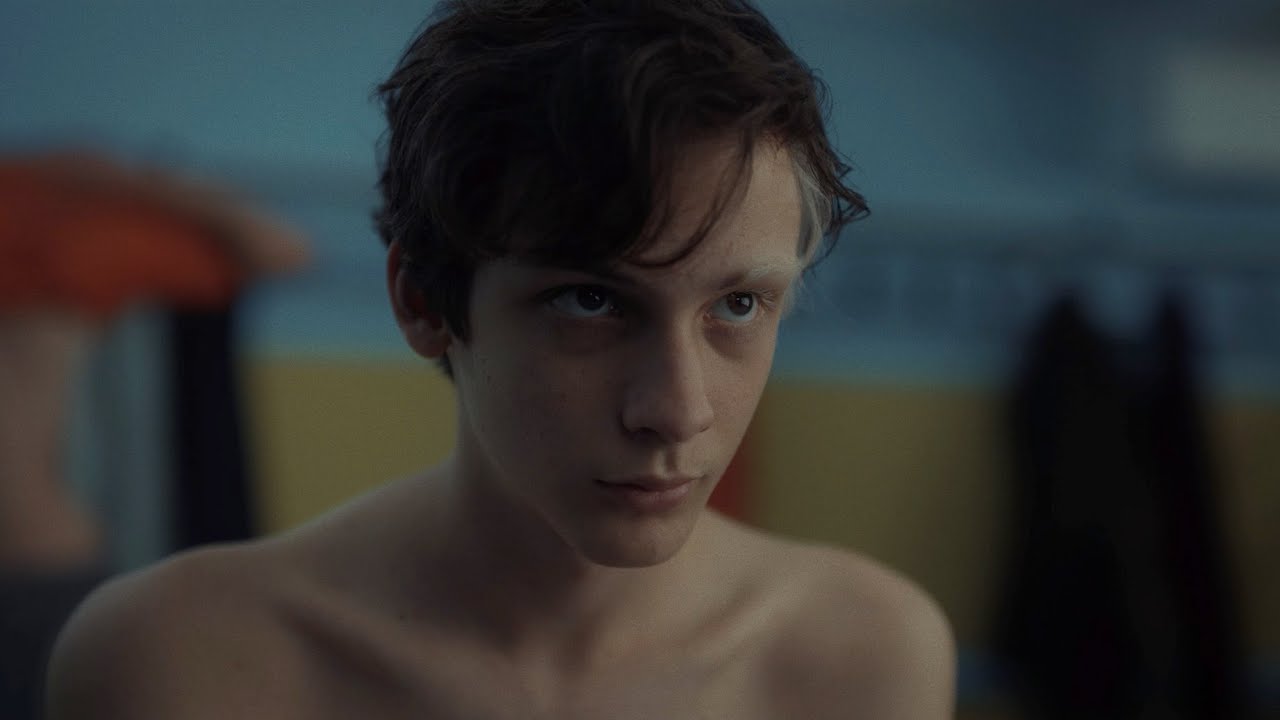
Even with such a stacked lineup, an equally worthy Italian horror film has been out in Korean theaters since earlier this month: “The Holy Boy,” which premiered last year at the 82nd Venice International Film Festival. The movie takes place in Remis, a village of people who lost family and neighbors in a tragic train accident. As they would otherwise be all-consumed by the trauma, the residents keep themselves going in a strange way—by embracing Matteo, a local boy they call an angel. They feel that Matteo’s embrace eases their pain thanks to spiritual powers. Remis is so desperate for peace of mind that Matteo’s father steps up to lead the ritual himself. But when Sergio, the new gym teacher, arrives, cracks begin to form in their little paradise. When he treats quiet Matteo as a human rather than a god, a person rather than a tool, Matteo’s sense of self begins to awaken within him.
Director Paolo Strippoli reportedly had the selfishness of using religion out of desperation in mind. Alcohol or drugs could just as easily take the place of faith. What he’s wary of is the easy, convenient quick fix, and therefore one that’s all too easy to get hooked on. “It’s okay to feel miserable,” he’s said in various interviews. “It’s okay to be weak,” adding, “We should as a society try to learn not to demonize our pain because it makes it worse.” And the film hints at the same idea in a line of dialogue that says God is with us in our suffering.
Everyone hurts. Fully inhabiting that emotional state may be the only way to embrace other people’s pain, too. And maybe that’s the appeal of horror as a genre. Over the course of its running time, a movie gives audiences an opportunity to jump out of their seats together and breathe a collective sigh of relief, experiencing all emotions, even negative ones, to their absolute fullest. Strippoli successfully did just that with “The Holy Boy,” and has since signed with US talent agency WME. Maybe we’ll be watching a Hollywood horror film directed by him soon.
“ON(百)” (Dabda)
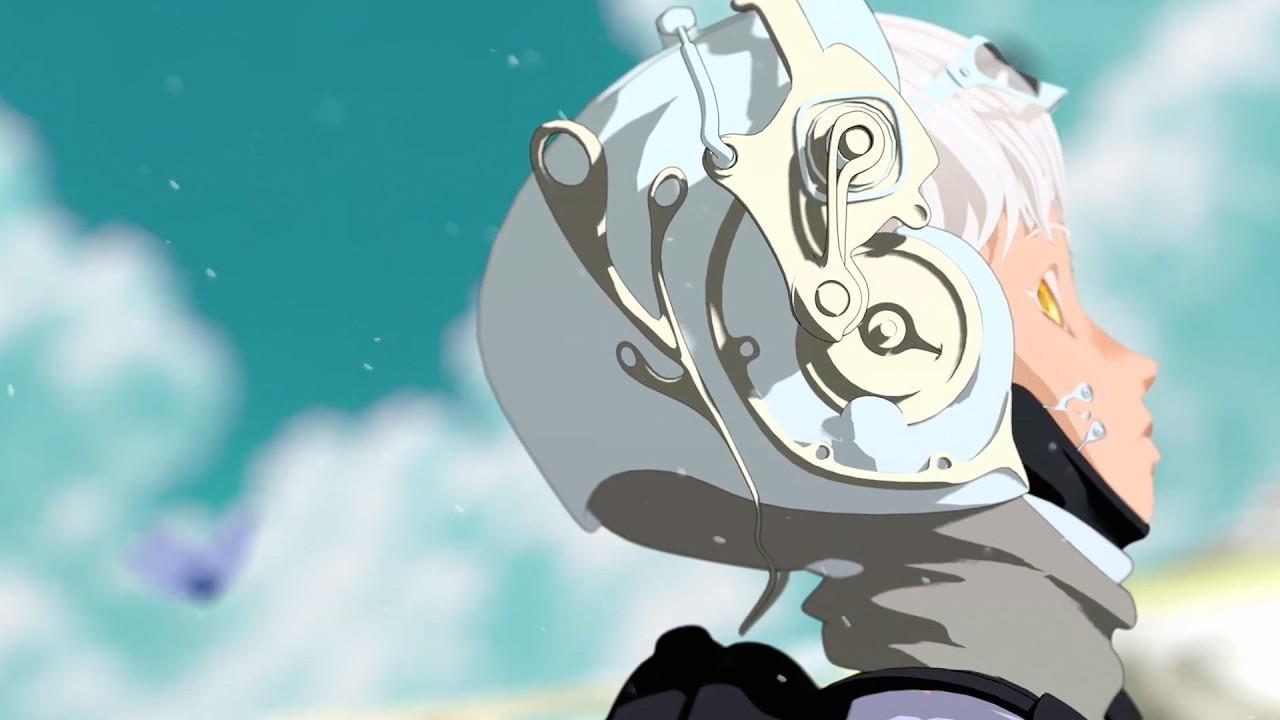
Hwang Sunup (music critic): In a day and age when songs coming in under three minutes has become standard, Dabda takes a hard 180. The songs on this album run anywhere from four to seven minutes in length. And what’s really noteworthy is how they use that time. The group has spent their career building their image as a math rock band, and they take a different approach to every song, adding even more layers to the genre's trademark shifts and left turns. Rather than simply stacking sound on top of discrete sound, they interrupt the flow with unexpected open expanses, or switch up the instrumentation in one quick flip for a change in scenery. Every song takes its own distinct route to its climax, so there's never a dull moment on the record. In the process, they also deepen the appealing “collective” aspect of the group. It's been a fair while since I came across a record that so fully captures the thrilling tension of a group all playing so perfectly on the same page.
With the irregular rhythms and intricately structured songs, it’s easy for artists making math rock to slip into self-indulgence and leave listeners at their mercy. Dabda imbues their second studio album with a persuasive sense of flow and fills it with accessible vocals and melodies exactly as needed, making it the perfect Math Rock 101. And it’s not about compromise, either. The careful balancing act keeps the listener from tiring out while making it all the more appealing in a purely musical way. And most of all, you finish the album wanting to see the group perform live. A demonstration of how their experience and soul-searching has shaped their sound and all the virtues you’ve come to expect from a rock album—Dabda’s killed two birds with one stone with their latest release. Times aren’t easy, and the band’s adopting an attitude of living life to its fullest with their music.