It was honestly confusing. Just like they closed out Phase 1 right when they were riding high, the end of Phase 2 came out of nowhere. The difference this time was that they started a new chapter with hardly a break in between. What kind of changes Mrs. GREEN APPLE had in mind by starting fresh yet again was hard to guess. “lulu.” continued on the musical vision of the previous album “ANTENNA,” where the band set out to turn themselves into a boundless musical collective, offering few clues about where Phase 3 was headed. Nine months later, their new album “POPS” clears all that up, pushing into vast new territory in both music and message that few would dare to explore.
During Phase 2, the band put their energy into the idea of “entertainment” they could reach more people with. That was a clear departure from most other long-established artists who keep media exposure to a minimum and build a fan base through albums and live shows alone. They made appearances on a range of variety shows, and frontman Motoki Ohmori even made his film debut. The band also kept the time between singles as short as possible, getting people to listen to the group’s music nonstop and keep listeners interested in what the band was up to. With a bigger fan base than ever before, they’re switching gears, as if right on cue. At the heart of their latest album is the desire to take the sights they’d like to see, the determination to face a massive audience, and their intended message, and convey it all using the musical chops they’ve been honing. It’s all hands on deck, do or die, and they’re giving it everything they’ve got.

The tracks on “POPS” don’t make a straight line for what we usually think of when we hear the word “pop,” like mass appeal or commercial viability. Between the sheer number of instruments, arrangements too dense to fully grasp on the first listen, and the experimental mash-up of genres, the album actually seems to push back against such conventional ideas. The band raises the same questions in their ads: Is it good just because everyone’s listening? Are the charts the final word? Can’t dark songs be popular too? They’ve also run pieces in several magazines breaking down individual songs, a move meant to help people understand the music on a deeper level. Now that they’re at what’s effectively a new high point, they seem intent on redefining pop—what it is, what it does, how it reaches people—through meticulously planned steps.
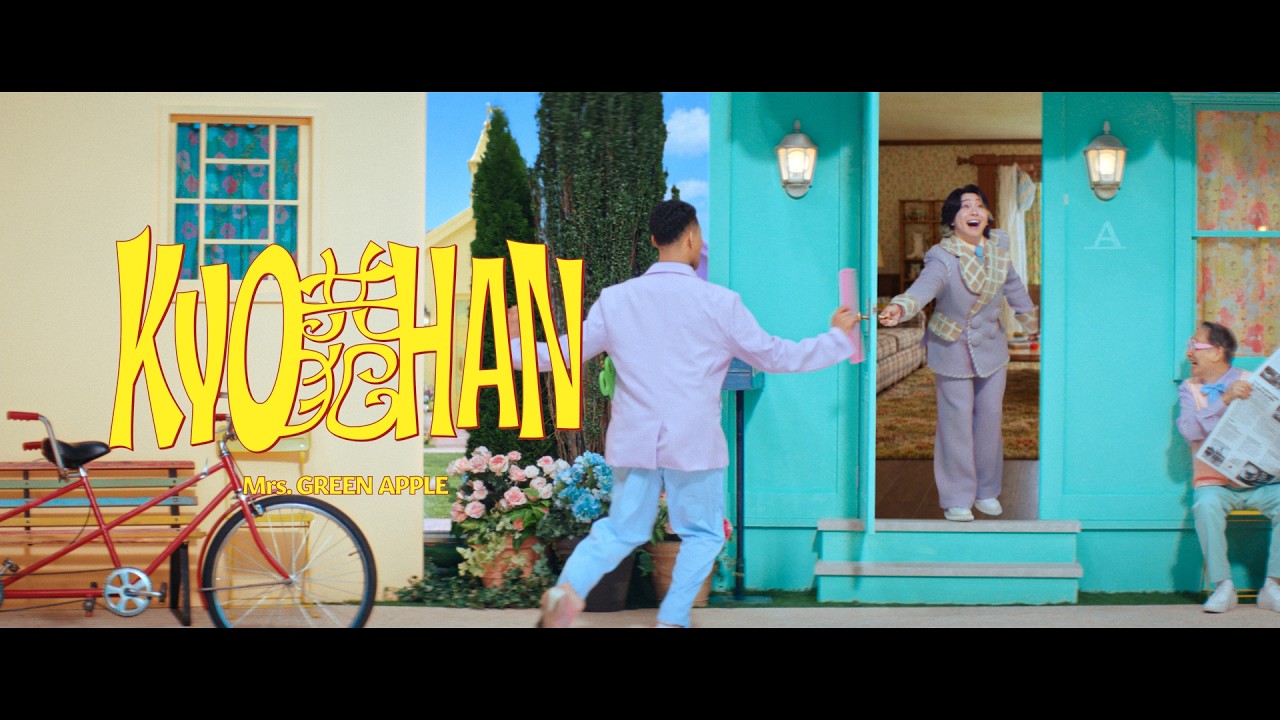
The first thing that stands out sound-wise is how evenly spread all the styles the band has explored to date are represented across the album. Fans should be particularly pleased to hear the return of their rock band sound. “Kyohan” harkens back to the band’s early days with a basic arrangement of instruments. It’s also straight to the point with its message about how we’re ultimately all accomplices in shaping each other’s feelings in a shared world. Also unmissable is the studio recording of “Really Really,” which the band played only once during their “ENSEMBLE” tour. The track puts the band’s collective playing front and center while the uniquely processed vocals add a Vocaloid flavor, making it a solid bridge to the album’s second half.
Their freedom from the tangles of genre and form is alive and well, too. The know-how the band cultivated in Phase 2 is front and center in so much of the music. “A Posteriori” conjures an offbeat spectacle out of shifting rhythms and an irregular structure. “Hon to Suisei” is a bold electronic glow-up of a ballad that signals the band has no interest in going the ordinary route. “Wind and Town” is a shot at roots music with echoes of country. “Kinjita Asobi” is another interesting one, playing with a jazzy improvisational feel centered around the keyboard. With music drifting somewhere between relaxed and listless, it’s clear the band can approach their songs in far more ways than you might expect.
Naturally, there are new sides of the band on display here, too. Sonically, the most straightforward track is “Project 4.” With autotune stripping the warmth from the vocals and most of the lyrics written in English, the band’s clearly trying to distance themselves as much as possible from the image they’ve long been associated with. “Brand New,” meanwhile, stands out for how they sing with brazen renewed resolve. There couldn’t be a more perfect way to open both Phase 3 and their first studio album in three years than the promise to be even more of a band for the people than ever. The fast beat and strings filling “Episode” feels like they’re operating from a commanding position at the peak of hybrid music. Perhaps the biggest feature of the album, musically speaking, is how complete a picture it paints to chronicle the band over the course of 16 unique tracks.
For as densely layered as it is, the album never pushes the listener away. The barrier to entry’s low enough that you can hum every melody after just a few spins, and the more you listen, the more all the little hidden details start to reveal themselves. The band’s secret weapon is how they work so hard on something to make it straightforward to listen to—the secret sauce gives them both complexity and mass appeal at the same time. That’s how the album wins you over in the end. Behind it is a firm determination to meet listeners not as a faceless public but as individuals.
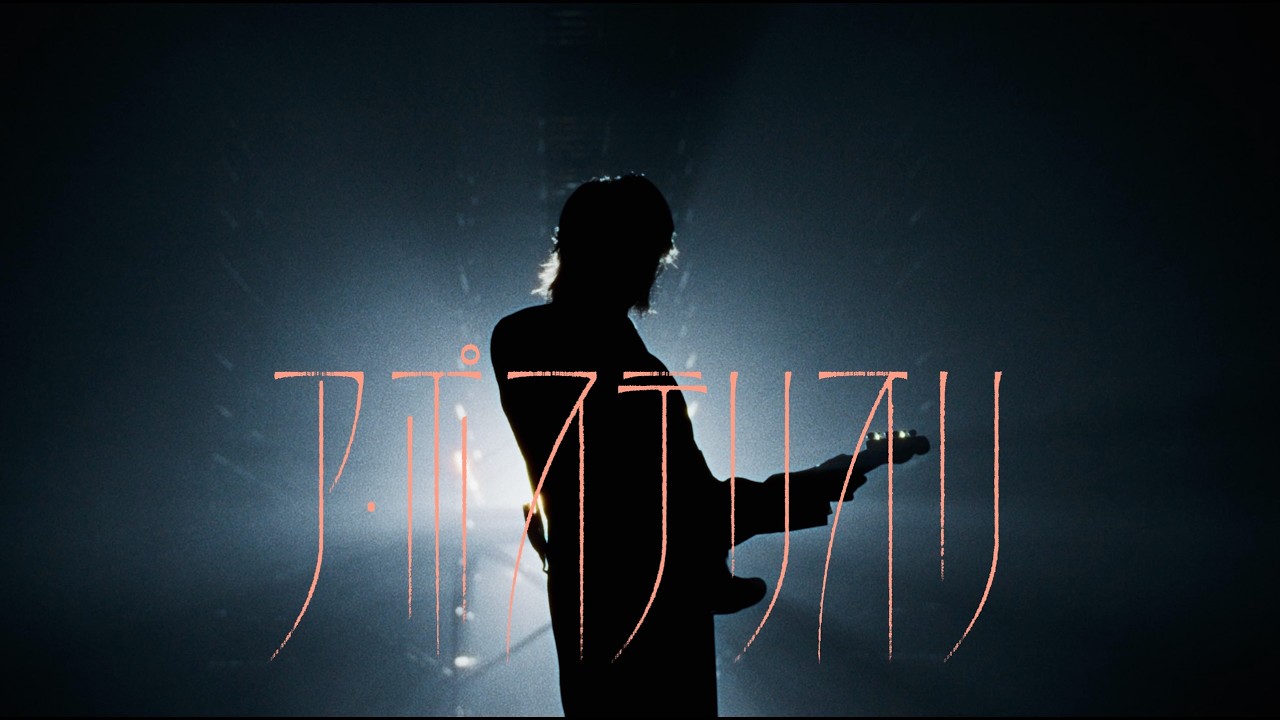
There’s a look at life that runs throughout the entire album—one that never goes smoothly and in some cases seems to be unrelenting pain. Case in point: “A Posteriori.” We believe that the more experiences we have, the more we’ll grow into better people, but in reality, sometimes it’s nothing but hurt and rotten feelings. In other cases, it’s the pain that allows us to grow. We compare ourselves to others and pin the blame on them, and the moment we achieve what we’ve been chasing all our lives, a wave of emptiness washes over us. All of this though, according to the album, has meaning. It reminds us that there’s something to be gained even when life feels flat and troublesome, and that each of us fills our world, and each other’s worlds, with unique perspectives.
“Hon to Suisei” goes a step even further. We may be nothing but tiny specks in the universe, it says, but the love we have for others remains a part of the world. That might not seem like much at first glance, but on closer inspection, it can change a person and even the entire course of the world. Nothing in our lives is meaningless. Helping us to accept who we are as members of society and move forward, and, as the band sang about earlier in “Bokuno Koto,” helping each of us turn a seemingly ordinary trajectory (kiseki) into a miracle (kiseki) of our own—isn’t that the very function of pop they set out to redefine?
In a world growing more polarized and fragmented by the day, the album is a kind of manifesto that proves, in the band’s singular voice, that music can still bring people together to build a better world and help us see our lives in a more positive light. It’s awe-inspiring that the band’s so spirited and passionate that they set out to rewrite the way of the world on their own terms. Calling it the biggest album of the year almost undersells what this highly detailed yet entirely accessible sonic thesis does with the hypothesis that good music can make a good world. While so many other artists target a specific age group, the band went against the grain and aimed to win over everyone, whatever their tastes—and pulled it off. Only now does it really hit home. We’re living in the Mrs. GREEN APPLE age.
- Mrs. GREEN APPLE traces a miracle2025.03.12
- natori, the model TikTok artist2026.08.12