Looking back, Vaundy’s debut single “Tokyo Flash” was like an asteroid that came out of absolutely nowhere and came crashing down onto the Japanese music world. Built around a lightly sketched guitar riff, the song’s mellow vibe arises from such absolute precision of rhythm and melody that it was hard to believe it came from anyone but a big star. The urbane vibe dovetailed with the city pop revival of the time and made it a smash hit, the music video amassing a million views just two months after release. Before long, the Spotify Early Noise list for 2020 named him as one of the promising new artists to watch. But what’s truly amazing is, as time goes by, it’s becoming clearer and clearer that what he accomplished back then was only a tiny fraction of his real potential.
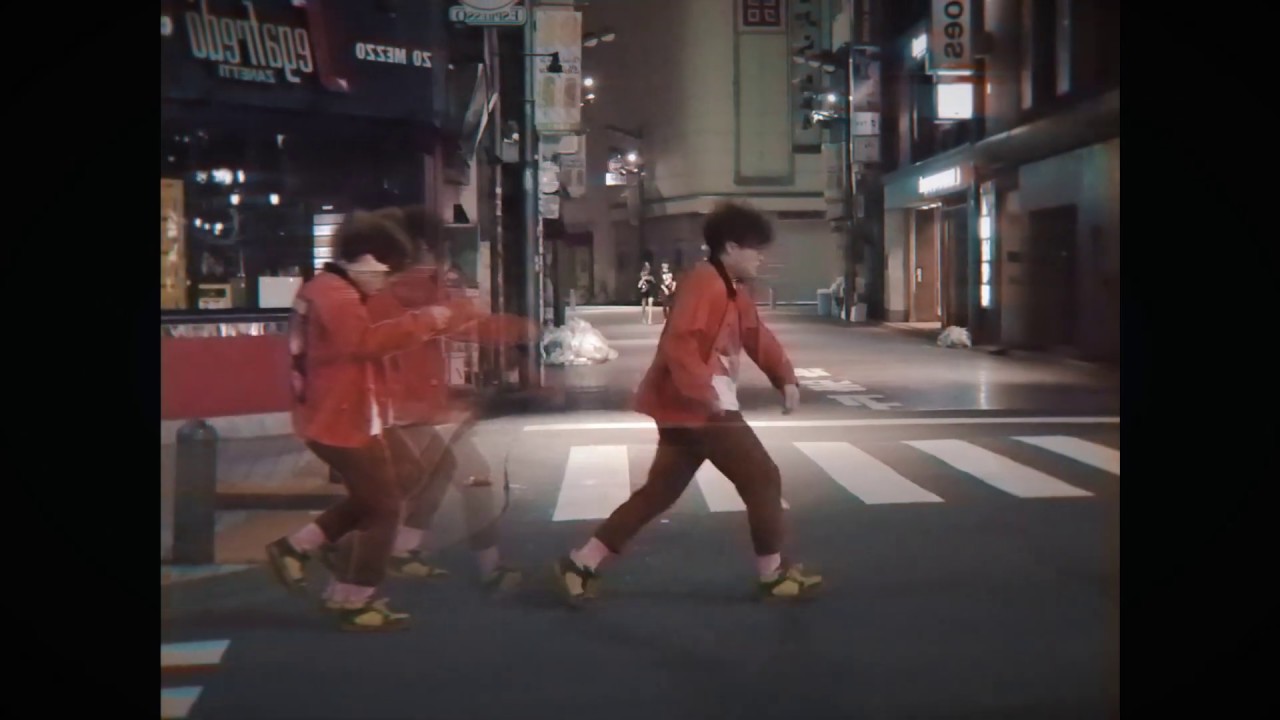
Six years after his debut, Vaundy has since achieved a level of pop stardom that nobody can top. According to “Billboard JAPAN,” the singer-songwriter holds the record for the most tracks by a solo artist with over 100 million streams with 17, and he became only the fourth on a list of artists with at least one song that’s been played one billion times with the song “Kaiju no Hanauta.” If you include both YouTube and streaming figures, the count of plays of all his songs exceeds 10 billion.
Without being locked into R&B, hip hop, rock, synth pop, or any other single genre, Vaundy’s been releasing a steady stream of highly distinctive songs that function as his personal brand, while also making a name for himself as a multitalented artist who works on album covers and directs music videos. The fact that he received seven nominations—including for two of the big General Field awards—at last year’s inaugural MUSIC AWARDS JAPAN means he’s practically a certified national treasure already.
His famed genreless approach to music is a kind of strategy underpinning his whole career. Realizing he had a gift for singing, he started out with utaite, experimenting with a wide range of vocal styles, and found DTM (desktop music) gave him an environment to work in that wouldn’t tie him down to any particular genre. His time in Nihon University’s College of Art design department proved particularly influential. Whether it’s music, video, or illustration, design has become the lens through which he looks at everything. His philosophy? Just like you have to scrutinize every single line in design and the mechanism of the shadows created by incoming light in order to really understand it, you ultimately have to study a format in earnest, think through the path, and only then inject your own individual sensibilities. Once you know that, it makes perfect sense that he says his favorite group is Sakanaction, a band obsessive about sound design.
For Vaundy, format is synonymous with reference, and he creates originals by fitting those things together in his own unique way. He doesn’t bother obscuring his musical influences, an aspect of him reflected in the main theme that drives his sophomore album, “replica.” He channels Shintaro Sakamoto’s loose style of arrangement into “Bidenkyu,” bakes the UK rock sensibilities of David Bowie and Oasis into the title track “replica,” and packs the raw energy of Nirvana into “Hokuro.” This particular theory for pop music is to start with a respect and admiration for the originals, then add his own touches to produce a cutting-edge replica. And his own songs are no exception to this principle. A prime example is “Backlight - replica -,” where he brought in TK from Ling Tosite Sigure to layer the song in noisy guitar and push it in a new direction. It’s straightforward evidence backing his belief that every great piece of art in this world exists so something even greater can eventually be born.
Making music for other media is one thing that drives him to push himself even further. Working this way does nothing to impede his originality—on the contrary, he sees it as a process of picking and choosing things within himself and making them work within a given framework, spinning it off into a different kind of aesthetic. Behind this lies his love of anime and his conviction that there’s no such thing as dependence between video and music but happy coexistence.
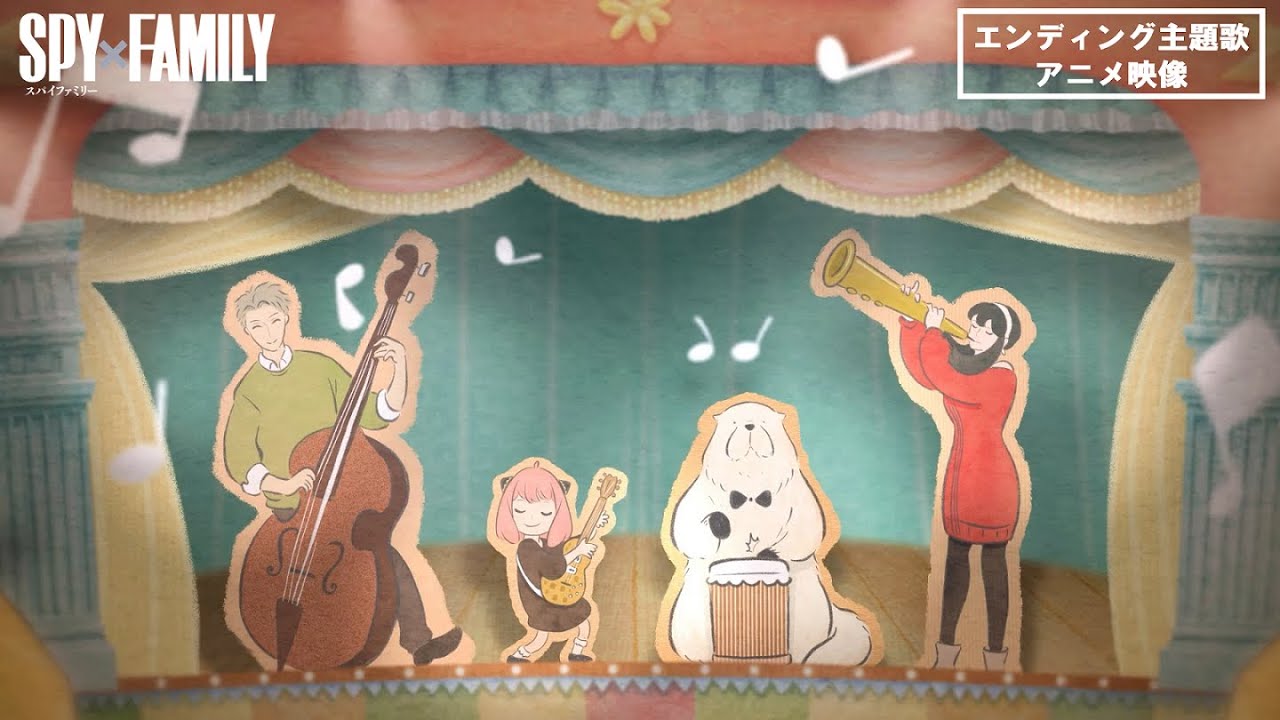
That’s why, when he writes songs like this, they feel tightly intertwined with the anime they’re attached to. Listening to “Todome no ichigeki” from “SPY x FAMILY,” “Time Paradox” from “Doraemon: Nobita’s Earth Symphony,” or “Hashire Sakamoto” from “SAKAMOTO DAYS,” you can feel they all share in common the fact that they function perfectly as theme songs. While they follow the tradition heard in anime songs by JAM Projects and others of making explicit references to the anime itself, they carry with them the admirable intention of allowing them to stand on their own as general pop songs. When Vaundy says he’s fine even if people see the music as nothing more than background music, it’s clear he views his contributions here as works of art in themselves.
Vaundy is the quintessential prolific artist. His name popped up with particular frequency throughout 2025, dropping a new single every month. At the same time, he’s been making an effort toward change. He split “replica” into two halves—what he wanted from himself and what listeners wanted from him. Today, he’s working out how the two intersect. Among his recent releases, the song that demonstrates this most dramatically is undoubtedly “How do I know.” It’s an experimental flurry of drum-driven verses and a sweeping string chorus with a catchy melody that foregrounds Vaundy’s strengths as a vocalist. The music video, which he personally directed, is just as important to the package. As the video progresses, audio from the onscreen action wrestles with the music to take center stage, and later, a UFO with blindingly brilliant lights leads to the very function of the music being completely overturned. The whole experience lays bare his philosophy that neither video nor music can serve merely as a means to the other.
Vaundy’s music prioritizes feeling over understanding. To him, the ideal song is one that doesn’t need to be read into or interpreted but is grasped the instant you hear it. His vision reflects a life spent enjoying vibes-driven playlist culture, growing up in a social media era where borders have lost their meaning, and being the product of the utaite scene, where distinguishing genre is irrelevant.
Now that streaming services serve up rows and rows of content from every country placed side by side, Vaundy’s conviction that if you make it cool, the people will come, has naturally come to have a huge influence on other musicians of his generation. He’s proving for himself that you can break free of listeners’ preconceived notions and compete across a range of genres, and that in an age where video and visuals wield immense power, you need to become the kind of multitalented artist who can keep every part of their craft under their own control.
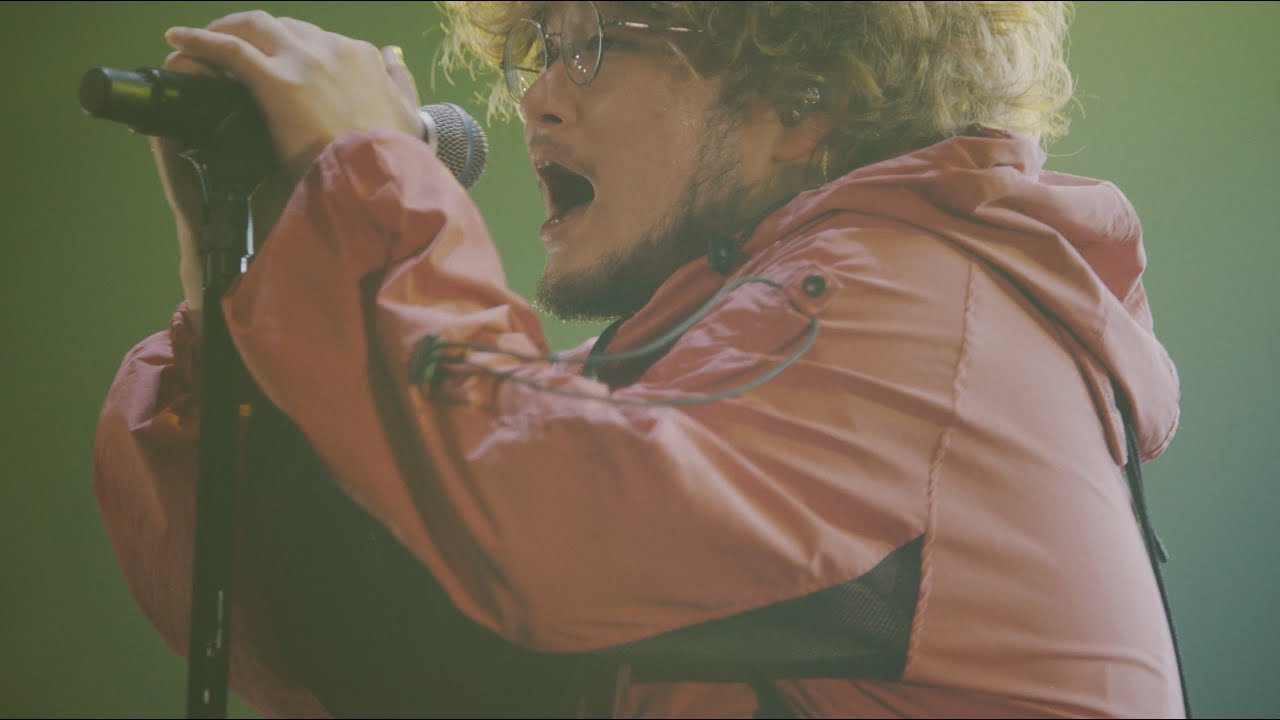
Starting in February, Vaundy will set out on a tour that will make him the youngest solo artist to perform at four of Japan’s biggest concert domes. For him, live shows suggest a whole different set of possibilities compared to working in the studio. They’re a place of rigorous engineering, where you aim to define a new set of conditions, find new approaches, and win over the audience—and a time when you can reach out beyond yourself and bring joy to others directly. His personal drive to constantly update the creative side of his live performances with new approaches is why Korean fans are calling for him to perform in Seoul, with voices that grow louder by the day. Vaundy is single-handedly proving the idea that the best musician is an admirer of the form. Here’s hoping we’ll get to witness the face of Japanese music today overflowing with new ideas here in Korea as well. Music is a way of everyday life for Vaundy. Here’s hoping, then, that Korean listeners can become a part of his every day.
- 2025: the year J-pop took over Korea2025.12.16