“DARK MOON” is HYBE’s original story IP created in collaboration with ENHYPEN and &TEAM. Within the K-pop fandom, ENHYPEN are often nicknamed “vampire princes,” while &TEAM are referred to as “wolf boys”—a testament to how the vampire and werewolf mythology at the heart of “DARK MOON” has also become a defining motif in both groups’ albums. If ENHYPEN and &TEAM—their members and their music—serve as the point of origin for this universe, “DARK MOON” gathers those elements into what can aptly be called the DARK MOON-Verse: an expansive narrative cosmos. As stories reflecting the artists’ realities continue to unfold through each album release, the fantasy of the “DARK MOON” series—developing in a parallel dimension—simultaneously broadens the world embedded in their music. This is why the trajectories of both groups and the evolving universe of “DARK MOON” are best understood together. In celebration of the fourth anniversary of the launch of “DARK MOON,” we look back on ENHYPEN and &TEAM’s journeys, revisiting each installment of the series alongside the albums that shaped them.
* This article contains spoilers for the “DARK MOON” series.
LIMINALITY | “DARK MOON: THE BLOOD ALTAR” (Webtoon, Web Novel, Animated Series)
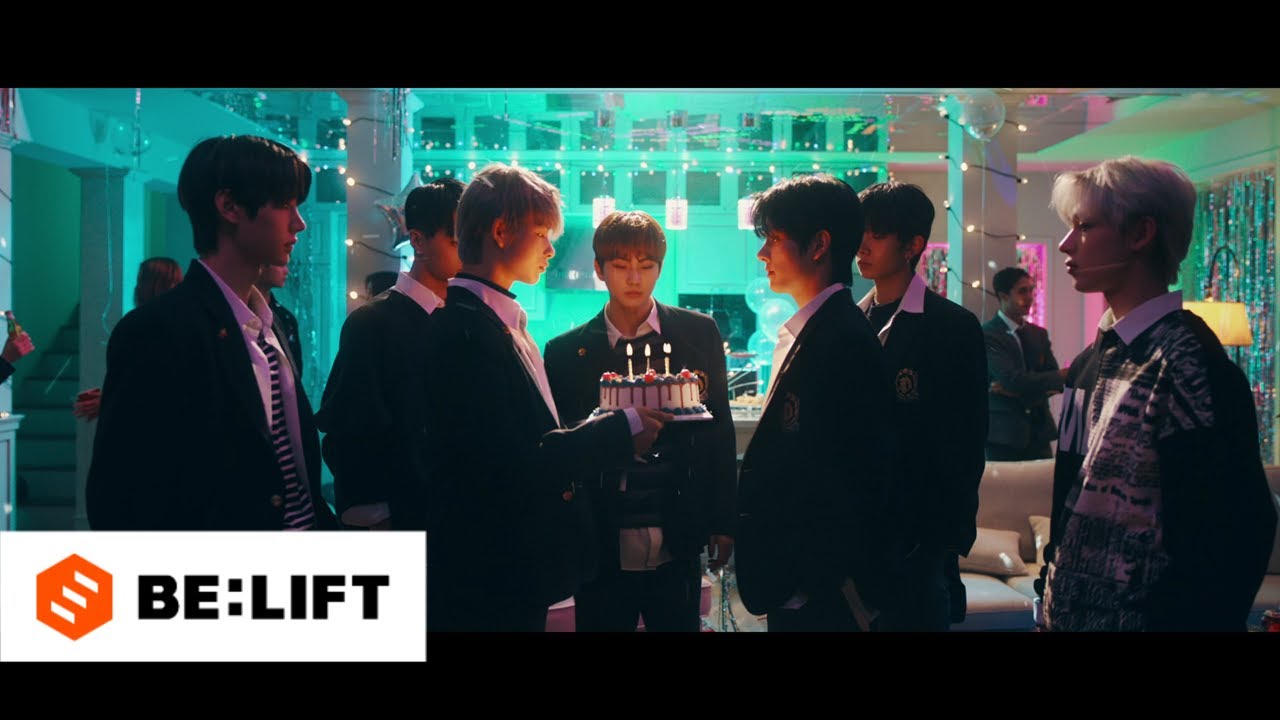
The “Standard Korean Language Dictionary” defines a “liminal figure” as someone who belongs to two or more distinct worlds at once—shaped by both, yet fully claimed by neither. Vampires, by nature, exist at such a threshold: between human and monster, between the living and the dead. In “DARK MOON: THE BLOOD ALTAR,” the vampire boys are portrayed as beings suspended along that boundary. Much like the old lore that a vampire cannot enter a home without invitation, they remain caught between worlds, never fully belonging to either. They look human, but they are not. “You shouldn’t get close to humans. We’re vampires.” In Episode 1 of the animated series, Solon (SUNGHOON) draws that line the moment he meets the heroine, Sooha. For them, survival depends on preserving distance. To protect themselves, they cannot afford to blur the boundary that separates them from humanity.
ENHYPEN also came of age with that same sense of being in between. The group debuted in 2020 through the audition program “I-LAND,” where ordinary teenagers were suddenly thrust into the life of idol artists. The place they had longed for—something finally “given”—could, at times, feel like a blessing edged with a curse. To be an idol is to be suddenly exposed to the public gaze, swept into relentless schedules few young people are prepared for. In that sense, ENHYPEN’s early discography—“Given-Taken,” “Drunk-Dazed,” “Tamed-Dashed,” and “Blessed-Cursed”—reads like a record of youth suspended between trainee and idol, child and adult. It traces the ache of self-proof and the desire to be recognized. That trajectory mirrors the vampire boys of “THE BLOOD ALTAR,” who wrestle with their own identities while caught between the memory of the ancient Kingdom of Vargr and the selves they inhabit in the present.
In popular culture, vampires and werewolves are often framed as sworn enemies, their rivalry forming the spine of the story. Yet “THE BLOOD ALTAR” turns its attention elsewhere—toward the possibility of reconciliation, toward former adversaries bound by a history of conflict learning to stand together. A defining premise of the “DARK MOON” universe—that the first vampire, Princess Selen, derives her power from sacred wolf blood—further reinforces the idea that vampires and werewolves are intrinsically linked. That emphasis on connection mirrors the identities both ENHYPEN and &TEAM have cultivated in their own careers. ENHYPEN has grown around the vision of the hyphen (–), a symbol of linking eras and ideas through music and storytelling. &TEAM, embodied by the ampersand (&), foregrounds the strength found in togetherness—the will to move beyond limits as a collective. Within that framework, Solon’s identity as a vampire-werewolf hybrid carries particular symbolic weight. In Episode 2, his secret is revealed to the werewolf Enzy (EJ). Rather than recoil, Enzy extends his hand: at least half of you is the same as us. The gesture reframes what it means to exist between worlds. To belong fully to neither side can also mean, in some sense, belonging to both. It ultimately becomes a story about bridging worlds that once stood at odds—an idea that echoes through ENHYPEN’s debut track, “Flicker.”
OTHERNESS | “DARK MOON: THE GREY CITY” (Webtoon, Web Novel)
“They call me a monster. Am I a monster?” This opening line from &TEAM’s “Back to Life” music video echoes Enzy’s wary self-awareness in Episode 21 of the webtoon “DARK MOON: THE GREY CITY.” “To humans, we’re just monsters.” Werewolves are bound to transform under the full moon. Yet to human eyes, that very trait is seen as something monstrous. In “THE GREY CITY,” the werewolf boys are portrayed as outsiders—unable to fully assimilate into human society, drifting from one city to another. A similar dynamic unfolds in Episode 1 of the web novel, when Khan (K) is ostracized by the villagers. Abandoned in the town as a child, left without anyone to claim him, Khan matures at an unnatural pace. His hair and eyes mark him as different. For that difference, he is branded “something dreadful,” an “ominous presence.”
“We have a responsibility to humans. We all live in the same world, on the same land. So there are obligations we must uphold as we live together here.” In Episode 14 of the web novel, Najak (NICHOLAS) offers this counsel to Enzy, who harbors deep distrust toward humans. The exclusion of those deemed different has long marked human history. In “THE GREY CITY,” the werewolf boys endure a similar fate, wandering from city to city in search of refuge. And yet, in their battles against vampires, they strive to protect the very villagers who cast them out, doing all they can to minimize harm. Ironically, the werewolves once treated as strangers are the ones who ultimately safeguard the “history and precious memories the people of Greyville have built” (Episode 81). Their way of survival reads less defiance than as a reflection—a meditation on how difference might be honored rather than erased.
Giri, who serves as the alpha of the werewolf boys, declares in Episode 2 that he chose to protect his brothers because they share the same pain. The sense of alienation—so central to the werewolves’ identity—becomes, in &TEAM’s music and performance, the very foundation of unity. In “War Cry (Korean ver.),” the repeated questions—“Can you feel it? Can’t believe it? Can you hear it?”—resonate like both a call to one another and a collective howl. The nine members move as if they are a single wolf, their precision demanding absolute trust and coordination. In “THE GREY CITY,” Najak is portrayed as capable and charismatic, strong enough to assume the role of alpha himself. Yet he steps aside without hesitation, insisting that the owner of Silver Fang should lead (Episode 81), and yields the position to Khan. From that decision emerges a reciprocal community—one built not on dominance, but on mutual respect and trust.
At the end of the “Back to Life” music video, the launch of a new collaborative series, “DARK MOON: THE WITCH OF YERASAH,” is announced. In Episode 80 of the web novel, after the battle with the vampires has ended, Khan decides to leave Greyville alongside his brothers. He pauses to ask himself: Can we ever be happy? “THE WITCH OF YERASAH” picks up after the events of “THE GREY CITY,” unfolding in the small frontier city of Yerasah in the Kingdom of Aman during the 2010s. As the werewolf brothers set out on a new path, the question lingers—will they finally find happiness?
GROWTH | “CHILDREN OF VAMFIELD by DARK MOON” (Webtoon)
Are vampires—immortal by nature—beings forever frozen in time? The journey of the vampire boys in the webtoon “CHILDREN OF VAMFIELD by DARK MOON,” a prequel to “DARK MOON: THE BLOOD ALTAR,” reads as a quiet answer to that question. Spanning nearly two centuries—from the late nineteenth century to the early twenty-first—“CHILDREN OF VAMFIELD” traces their lives across time.
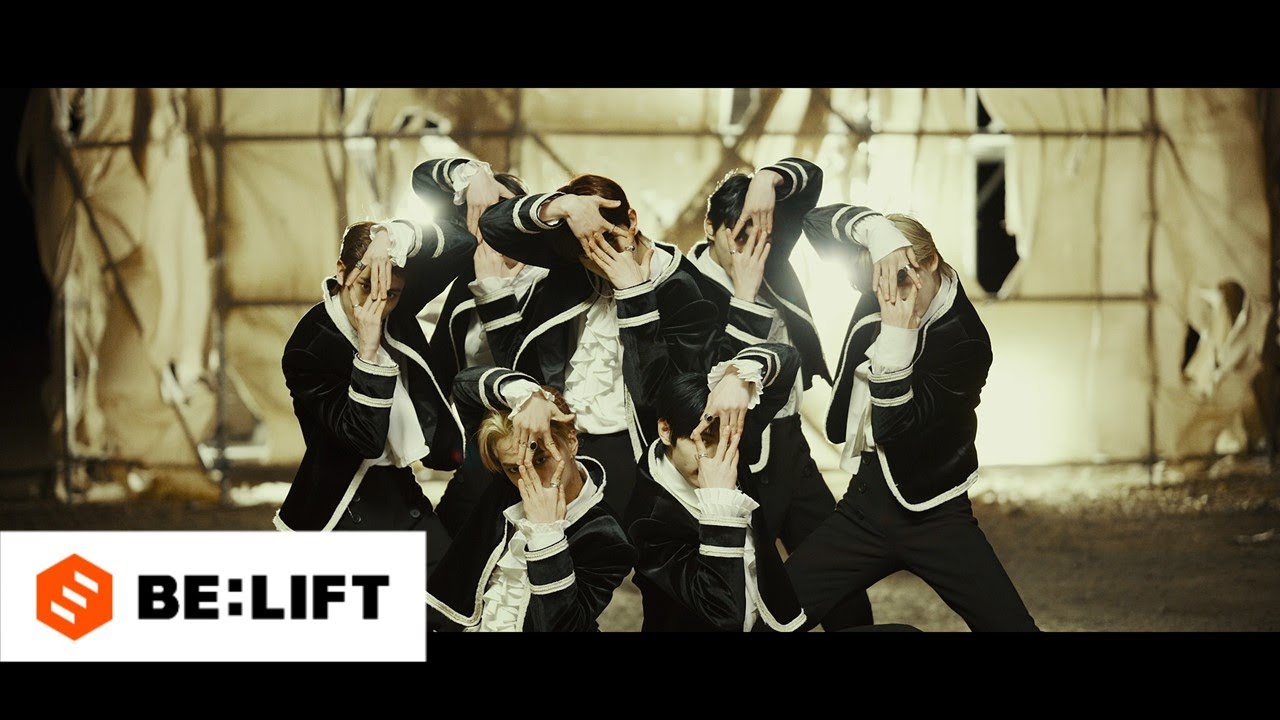
Chapter One, “The Liar’s Paradise,” set in late nineteenth-century Western Europe, opens with the boys fleeing Vamfield House and the overprotective care of Ms. Marge. The scene recalls a line from Hermann Hesse’s “Demian”—that one must destroy a world in order to be born—capturing a rite of passage familiar to anyone who has come of age. In Chapter Two, “The Monsters and the Girl,” the story shifts to the 1920s. Concealing their identities, the vampire boys seek refuge in a secluded castle in rural America. With faces that seem disarmingly harmless—much like the mood evoked in ENHYPEN’s “Just A Little Bit”—they slowly open their hearts to Sophie, a human girl who stumbles upon them, and experience emotions they have never known before. But when Sophie is transformed and loses her humanity, they are forced to end her life themselves, confronting loss for the first time. Chapter Three, “The Midnight Circus,” unfolds amid the Cold War tensions of the 1960s. In a turn that echoes the bold, high-stakes spirit of ENHYPEN’s “Go Big or Go Home,” the boys overestimate their abilities and take dangerous risks, emboldened by youthful certainty in their own destiny. Yet, like all adolescence shaped by bravado, that confidence proves fleeting. By Chapter Four, “Sad Happy New Year,” set against the backdrop of the dot-com bubble, the boys meet Amy and begin to discover the quiet pleasures of everyday friendship. Their trust, however, is met with betrayal, forcing them to confront not only emotional wounds but also the limits of their power.
In Episode 41, Jino (JAKE) gives voice to the webtoon’s central thesis: rather than agonizing over whether they are human or monster, they should strive to live according to their own convictions. To belong nowhere—even to remain at the boundary forever—need not determine their worth. ENHYPEN, who debuted during the pandemic, embody a generation coming of age in a time marked by isolation and fragmentation. From that perspective, their 2022 album “MANIFESTO : DAY 1”—and especially its title track, “Future Perfect (Pass the MIC)”—marks a pivotal turning point in their discography. After four consecutive title tracks framed in the passive voice, the group symbolically sheds the hyphen and declares a desire to stand on their own feet. That evolution mirrors the growth arc of the vampire boys in “CHILDREN OF VAMFIELD”: breaking out of confinement, experiencing loss, confronting identity, and learning how to form bonds. As we follow them through these stages, the life of an immortal vampire begins to resemble that of an ordinary human being. Even for those who live forever, what they come to learn along the way is what ultimately becomes their life.
FATE | “DARK MOON: THE BLOOD OF VARGR” (Web Novel)
“All power was received from you, and from an eternity that would one day be returned to you.” In ENHYPEN’s album “DARK BLOOD,” the track “Fate” locates the origin of destiny in a singular “you.” In their January release “THE SIN : VANISH,” the song “No Way Back (Feat. So!YoON!)” carries that conviction forward: having chosen “you” as their fate, there is no turning back, whatever the ending may be. The web novel “DARK MOON: THE BLOOD OF VARGR” tells the story of Princess Selen of the ancient Kingdom of Vargr, who foresees her kingdom’s downfall and resolves to confront destiny alongside her seven knights. In Episode 31, as Selen struggles beneath the weight of prophecy, the wolf god Vargr offers her counsel: share your fate—and walk it together.
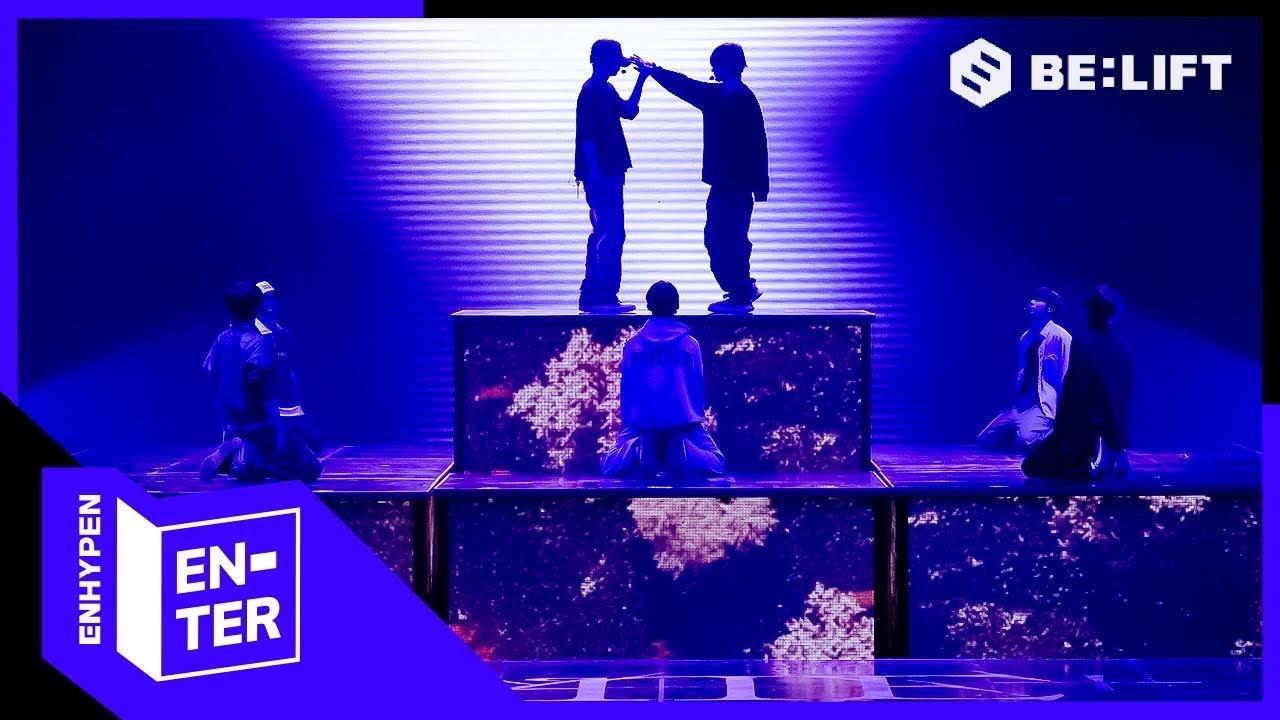
Echoing the sentiment of ENHYPEN’s “Still Monster,” where identity is affirmed through the presence of another, “THE BLOOD OF VARGR” portrays Selen and her seven knights—the future vampire boys—gradually learning to lean on one another, filling in each other’s flaws. In Episode 49, Jaan (JAY) confesses that what he truly needed was someone who believed in him. Trust, in that sense, becomes transformative. During ENHYPEN’s 2024 world tour “FATE PLUS,” the group staged performances that evoked the supernatural abilities depicted in the “DARK MOON” series. In one moment, JAKE channels the fire ability associated with his counterpart Jino, burning away the mask that covers half of SUNGHOON’s face. The mask symbolizes Solon—the hybrid suspended between vampire and werewolf, a character linked to SUNGHOON. Once freed, he casts it aside. In that gesture, friendship grounded in trust becomes the catalyst for confronting—and overcoming—one’s own fracture.
In Episode 72, Heli (HEESEUNG), watching Selen laugh among the knights, resolves to cherish the present moment. He believes that moments, though fleeting, can transcend time and carry them toward eternity. That conviction resonates with ENHYPEN’s “Mortal,” which embraces carpe diem—the urgency to love fully in the present, even if the journey leads toward an inevitable end. Even when fate appears fixed, what matters is walking it hand in hand. The devotion continues in “The Fugitives(도망자들)” from “THE SIN : VANISH,” where love persists even as the characters move toward what feels like a predetermined ending. The fugitives are described as smiling as though savoring the moment, even while on the run. In “Knife,” the lovers are likened to Bonnie and Clyde—figures racing toward danger together. Even as they move along what feels like the edge of a blade, fully aware of the sharpness of their fate, love continues to bloom.
This, in many ways, is a foretold tragedy. And yet, when Selen calls the knights “my friends” in Episode 76, they choose to stand against an overwhelming fate for one another. Earlier, in Episode 12, Selen recognizes that the future she foresees is difficult to change—but not impossible. The end of an era may be inevitable. Still, there are moments when what seems reckless becomes transformative, when a single decision bends the arc of destiny, if only slightly. Perhaps that shift begins in love and friendship directed toward a singular “you.” Returning to “Fate,” the declaration no longer reads as surrender but as resolve. Destiny, once imposed, is reclaimed—once again held in one’s own hands.
TRIVIA: “DARK MOON: TWO MOONS” (Webtoon)
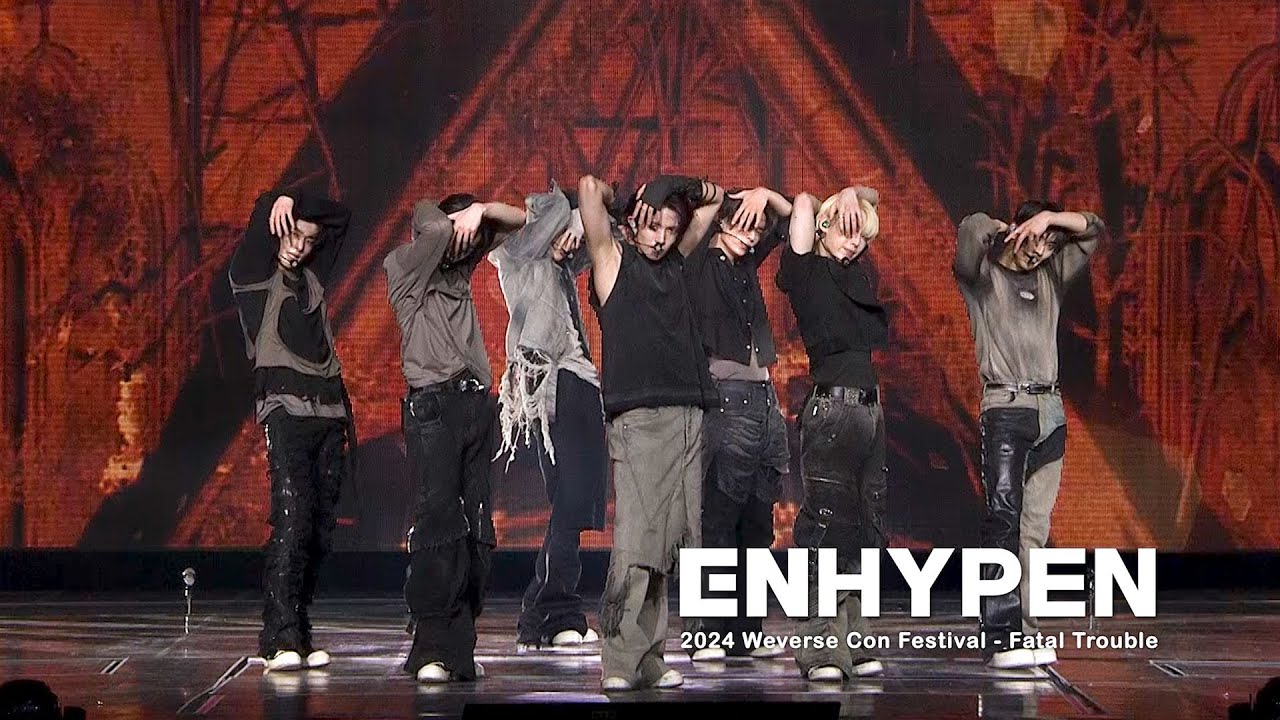
As of March 2026, the ongoing webtoon “DARK MOON: TWO MOONS” opens on the first day of classes at Decelis Academy. A student named Selen—who bears an uncanny resemblance to Sooha, the heroine of “THE BLOOD ALTAR”—appears before the vampire boys. Selen claims to be Sooha’s past incarnation as a princess, asserting that she is the true heir of Vargr and the rightful queen of the vampire boys. Her arrival compels them to confront, once again, the fracture between who they were as humans and who they became as vampires. That tension forms the core of “TWO MOONS.” In “Fatal Trouble,” a track from the “DARK MOON” special album “MEMORABILIA,” the idea of shared memories unfolding into divergent stories captures the boys’ disorientation as they waver between Sooha and Selen. The confusion surrounding identity continues to run through the broader “DARK MOON” universe. After the events of the previous series, what new questions will the boys now be forced to ask themselves in “TWO MOONS”?