We live in a society where all the right answers are more or less laid out in advance, and yet we constantly end up facing the wrong ones, though we’d rather keep those mistakes and shortcomings to ourselves. That’s probably a survival instinct Koreans have refined over time. Korea compressed centuries of development into a few decades at a pace without parallel in modern history, and somewhere along the way, constant evaluation and comparison became a fact of life. From early childhood, we absorbed the unspoken rule that, in a world where people are ranked at every turn, being beyond reproach is the only way to survive. The culture came to favor standardized success over individual differences, and perfection stopped being a compliment—it became a prerequisite.
That same drive for perfection worked its way deep into the K-pop industry. The intense system of relentless evaluations for trainees wishing to debut apply to teens who dream of becoming idols, too. The kind of perfection we’re talking about isn’t just about outstanding vocals or dance moves—it extends to total self-discipline where artists maintain a persona of composure, refraining from showing their emotional struggles. The fans, too, become partners in that success, sharing every win, and they pour enormous support into the idols who aim for that level of professionalism. This goes beyond personal taste, looking more like a collective investment in success where social expectations and fan devotion meet.
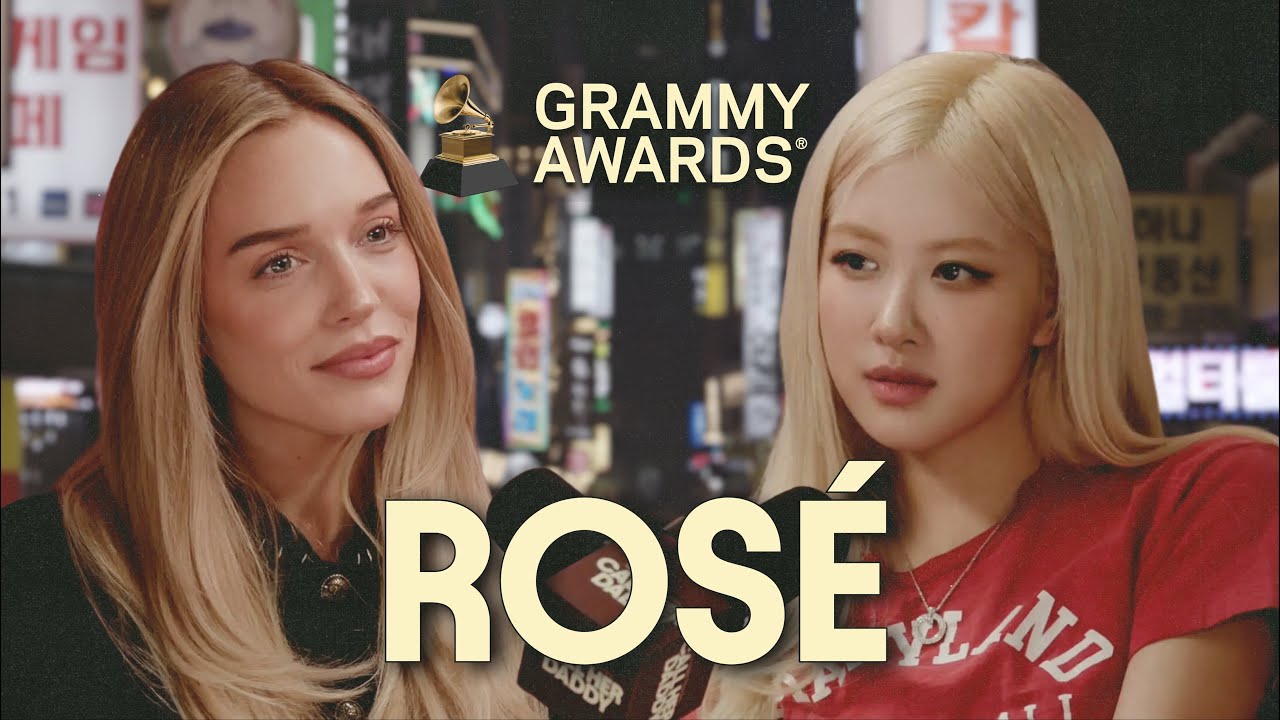
The distance between rosie and ROSÉ
Recently, ROSÉ has started to shed the veneer of flawlessness that K-pop, and Korean society at large, demands, and show the public a more vulnerable side of herself, the everyday Park Chaeyoung. In a 2024 “New York Times” interview, she said she felt the pressure to be perfect even in online interactions with fans. In another interview, she admitted to a bad habit: staying up late reading hate comments, even while knowing they’d keep rattling around relentlessly in her head.
Her admissions cut straight into territory K-pop artists have long considered off-limits as taboo. The idols of the past were nearly sacred icons offering fans the fantasy of perfection. ROSÉ, though, sends a different message: “I’m just a regular person like you. I falter, I feel pain, and sometimes I make the wrong choices.” Working on her first studio album, “rosie,” she said she wanted people to grasp the real person hidden behind the name ROSÉ. Choosing her childhood nickname instead of her stage name for the title is a way of drawing a line between the performer onstage and the individual left alone with her personal struggles, and acknowledging the gap between them. And it’s a way of saying, “That, too, is a part of who I am.”
ROSÉ has said that laying bare her biggest vulnerabilities through music turned out, paradoxically, to be its own kind of healing process. When she says in interviews that her 20s were really chaotic and she sometimes stayed in bad relationships, she’s speaking to exactly the kind of thing that lands with a lot of people. Taking all that—toxic relationships you can’t walk away from even as they eat you alive and the way you find yourself pleading at their feet, the restless need to be loved by everyone and other wishes that can never fully come true—and writing about it honestly in your lyrics isn’t an international star oversharing about her love life. Rather, it’s about setting aside the obligation for flawlessness that arose out of both self-censorship and public expectations, and claiming the right to be real while expanding the emotional range she can explore as a musical artist. Paradoxically, by sharing her so-called flaws, ROSÉ gives fans more than something to admire—she gives them something to genuinely connect with on an emotional level.
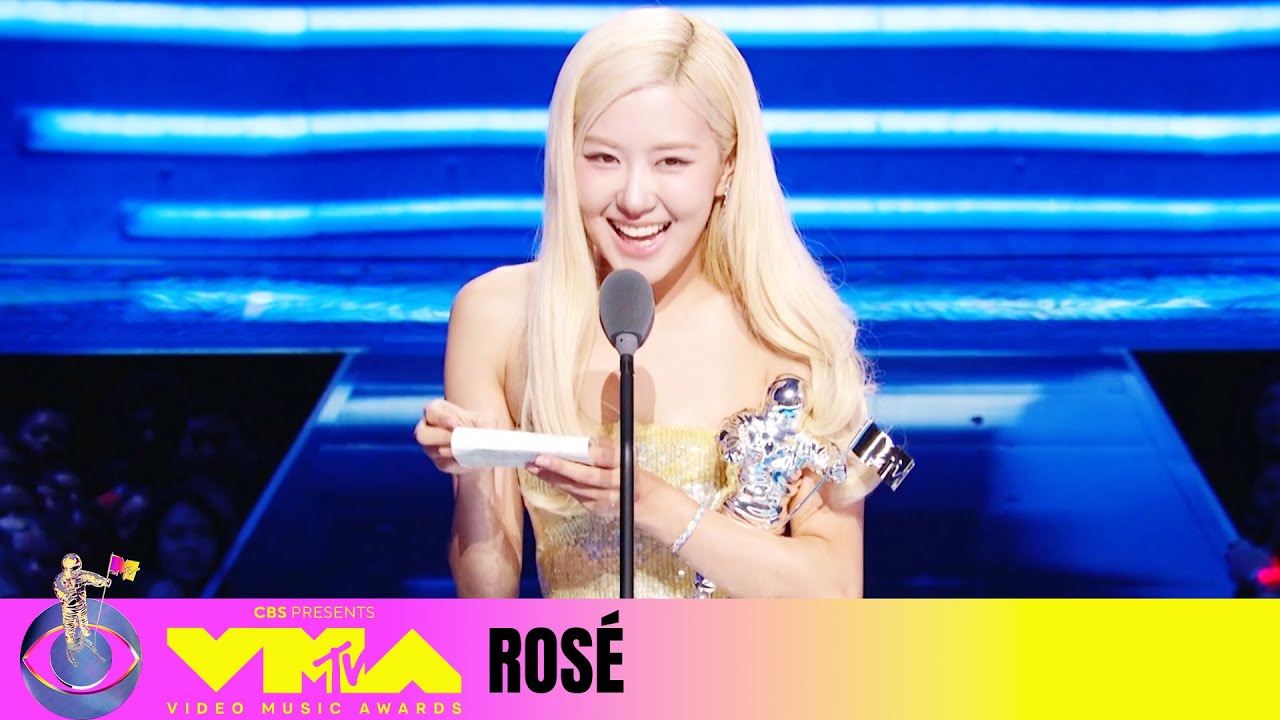
A beneficiary and pioneer of the K-pop system
The real reason ROSÉ’s honesty lands so well with fans is that she’s mature enough not to disown the system or the past that made her who she is. Artists who declare their independence from all that tend to look back on the strict training and constraints as having been nothing but oppressive, and distance themselves from all of it. ROSÉ, on the other hand, describes those grueling trainee years as what made her as strong as she is today—a version of her that wouldn’t have existed otherwise. She clearly recognizes exactly where the roots of her success sprout from.
The same attitude shows in her consistent love and admiration for BLACKPINK. Even now, as she builds up her worldwide solo success story—including winning Song of the Year at the 2025 MTV VMAs, a first for a K-pop artist—she has no illusions about her success coming all from within, always making sure to credit the years she spent with her group and supported by her fans. She’s also described BLACKPINK as being her home and her family, and emphasizes how being in the group is a major part of her identity—something that’s naturally reassuring for her fans to hear and gives them reason to believe in her. Fans can rest easy knowing their beloved ROSÉ of BLACKPINK fame isn’t going anywhere, they’re simply witnessing a new layer being built on top of that firm foundation—the everyday Park Chaeyoung.
Here, ROSÉ elevates what was once a relationship between artist and fandom that resembled a collective investment in success into emotional solidarity built on shared growing pains. She isn’t finding freedom by denying her past but by embracing it to expand her horizons.
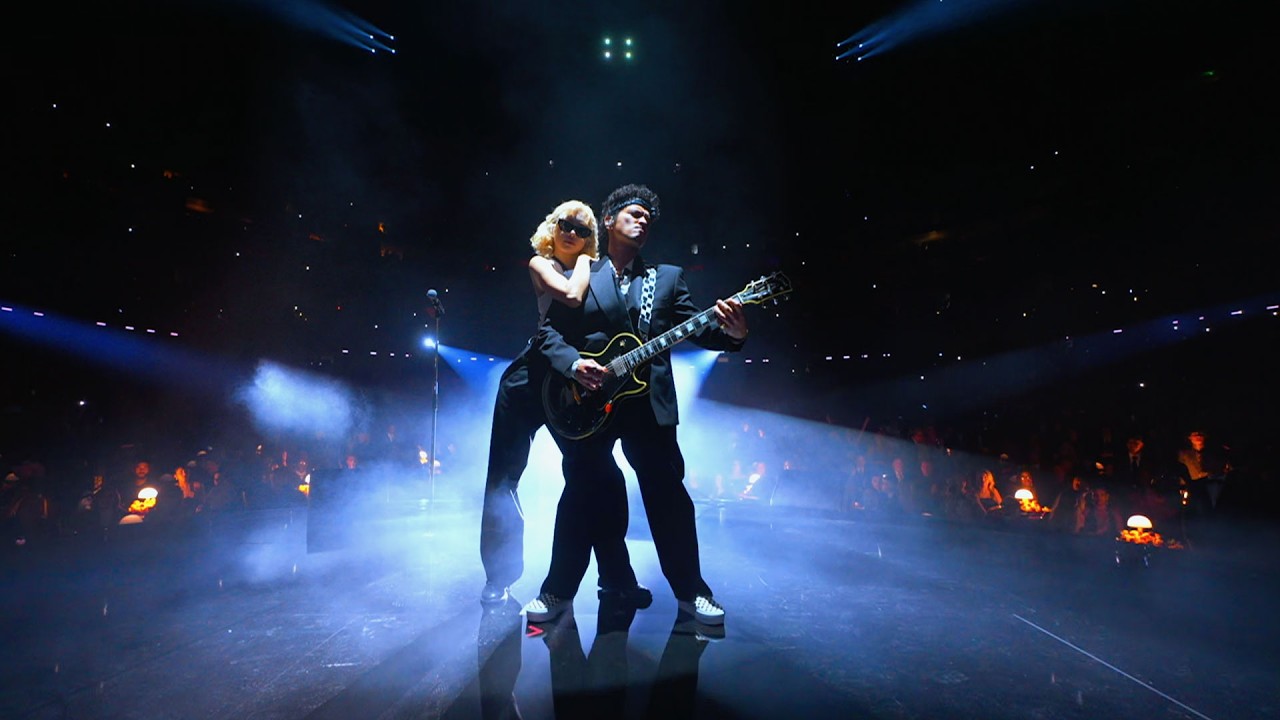
ROSÉ keeps what’s best about the K-pop system—the professionalism and dedication that make K-pop a strong system—while making up for the breathing room for individuality that it previously lacked by speaking her mind. She’s proven with her own musical achievements that listeners find more comfort from when an artist breaks free from the obsession with perfection and sings about her scars and her mistakes, not less.
ROSÉ continues to cement her place as a global pop star, and there’s value in her success that can’t be reduced to chart numbers and awards. You’ll find it where she’s shown us, in a society where just being yourself is exceptionally difficult, how beautiful it can be having the courage to own your mistakes and write over them with something new.
ROSÉ—beneficiary and pioneer of the system—has only just left perfection behind. The voyage ahead will take her toward the wider seas of authenticity. She’s out to tell the whole world that you don’t have to be perfect to be great—and in doing so, she’s a proverbial lighthouse illuminating the way for the next generation of artists.
- The five pop queens of today2025.01.07