“Rookies in Love: Try. Fail? Love!” (SBS, Netflix)
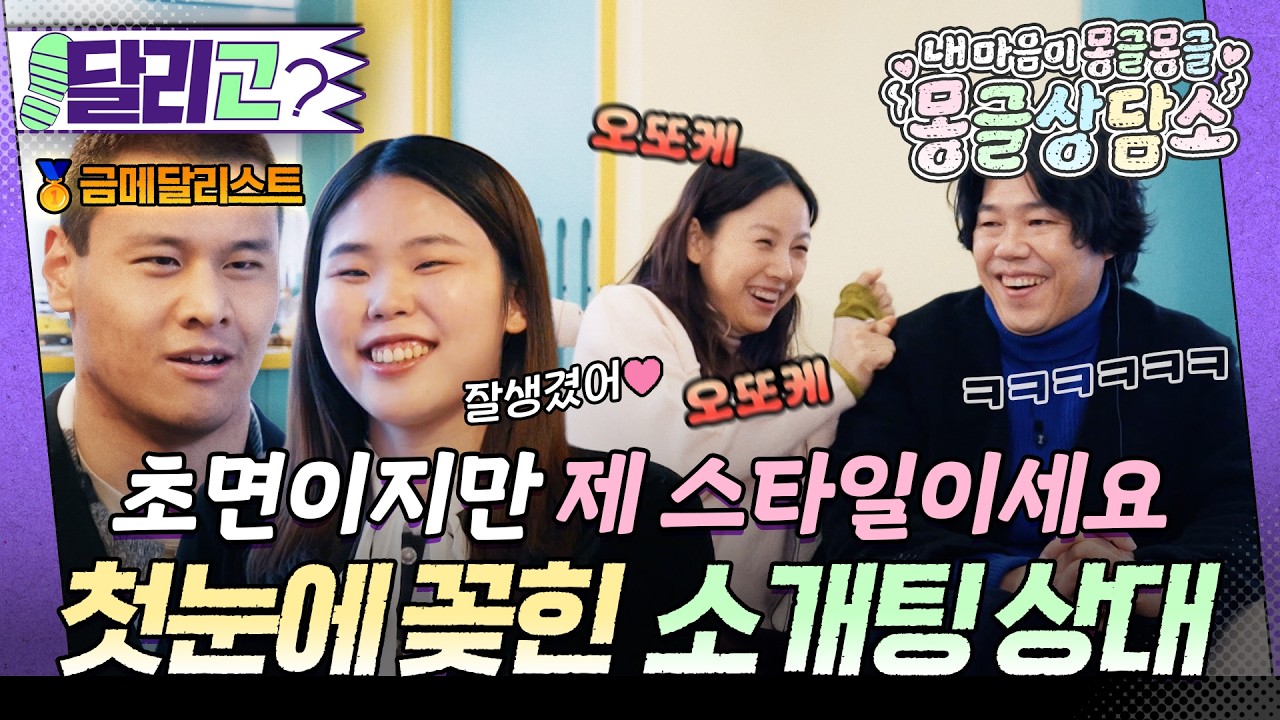
Jeong Dana: Welcome to “Rookies in Love: Try. Fail? Love!,” the show where every young person’s got a story and is ready to find love. According to producer Ko Hye-rin, the series was inspired by the question of whether her younger brother, who has a developmental disability, could find the right person for him. “Rookies in Love” unfolds over three episodes and follows three unique individuals—Oh Jihyeon, Yoo Jihun, and Jeong Jiwon—as they go on blind dates with people sharing the same developmental disabilities. The young participants pick up the bill for the first time, make their way to where they’ve agreed to meet their blind date, and hold a conversation with them for 30-plus minutes. And accompanying them through every one of these new experiences are hosts Lee Hyori and Lee Sang Soon. Travel-lover Jiwon plans a trip on his own for the first time with Lee Sang Soon’s help, while Jihyeon and Jiwon each go shopping with Lee Hyori for outfits for their next dates, as well as take private yoga lessons. More than mere observers, the two hosts become genuinely woven into the fabric of the show—and into the three love-seekers’ journeys toward budding relationships and personal growth.
The “Rookies in Love” don’t mince words and speak about their feelings directly, as Jihun fondly points out. At a group blind date for people with developmental disabilities, one young man shyly but unequivocally tells Jihyeon she looks beautiful when she smiles. Jihyeon, who has found it hard to express affection in words because of painful past experiences, draws on her skills as a certified origami artist and offers him a paper heart instead. In return, he tells her thank you and that he’s genuinely moved by the gesture. As Lee Hyori observes, we tend not to be able to speak that honestly—and the sincerity in the participants’ every interaction is a reminder of just how much honesty matters in a relationship. There are moments, too, when that honesty tips into awkwardness. Still, when Jihun asks what to say for next time that would be better, or when Jiwon admits to having felt bad about something he said, you see them actively working to become better versions of themselves through connection. For the “Rookies in Love,” the series is more than just a vehicle for finding love—it’s the starting line for a journey that carries them through growing pains and onto a new chapter, with each of them learning to find love their own way.
“Time of Cinema”
Nam Sunwoo (“CINE21” reporter): To put down roots in a big city, you need a little home away from home. In that sense, cinecube—tucked away in the heart of Seoul, near Gwanghwamun of all places—is perfect. Nestled underground in a neighborhood of office towers and tourist spots, this independent, all art house all the time cinema seems to say, “Weary souls of the modern world, look no further—you’ve found your hideaway!”
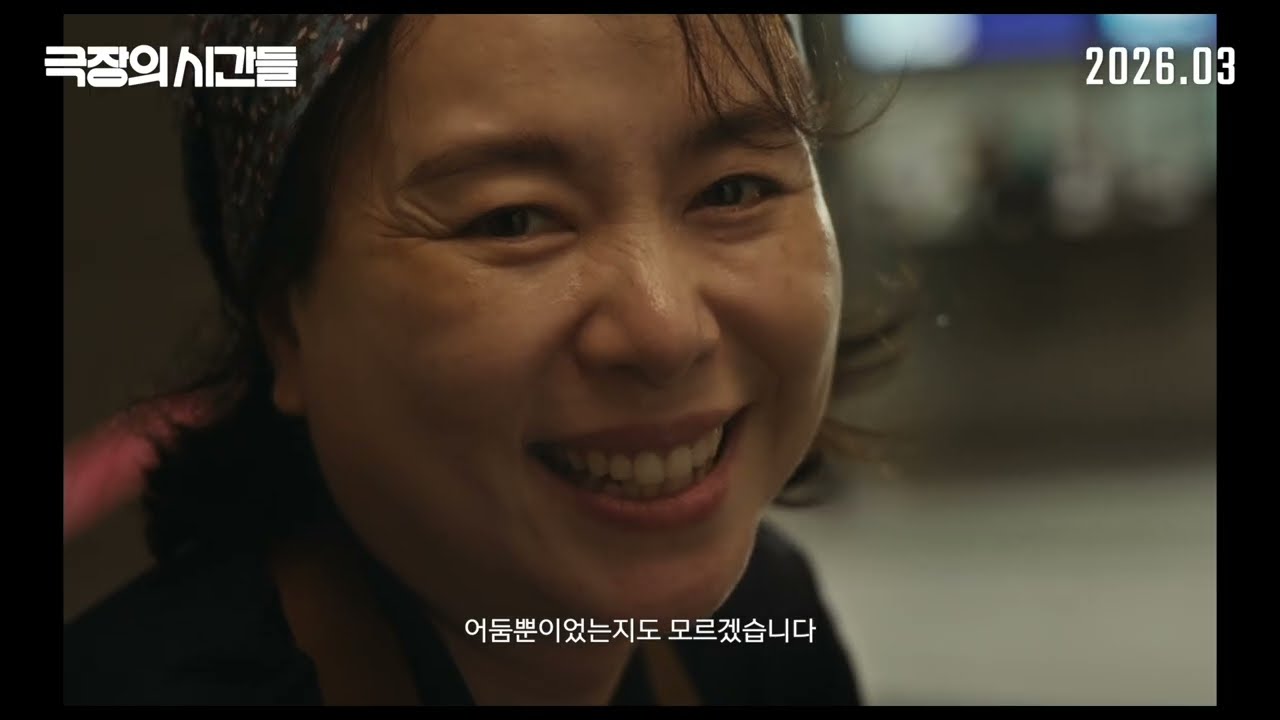
That hideaway turns 25 this year. To mark the occasion, the people at cinecube did what they know best—they made a film. As if they knew exactly what gives the place life, they decided to produce it themselves. What came out of that endeavor was “Time of Cinema,” an anthology film that opened on March 18. Directors Lee Jong-pil, Yoon Ga-eun, and Jang Kunjae each contributed a short, all three of which lean into their meta qualities. Where Lee traces the arc of a cinematic friendship, Yoon recreates the rhythms of a set populated entirely by child actors. Jang, working from a script cowritten with critic Jeong Jihye, captures the magical moments that become possible in the space around the screen.
Just as good as the three shorts are the prologue and epilogue that frame them. They follow Hong Seonghui, the projectionist who’s kept watch over cinecube’s projection booth since the day it opened, through an afternoon spent alongside a younger colleague. The man who shows films every day has finally become part of one himself, showing how “Time of Cinema” extends its regards to the workers who have stayed out of sight so that others might see something miraculous for themselves.
“Yurei Kazoku” (Kayoko Yoshizawa)
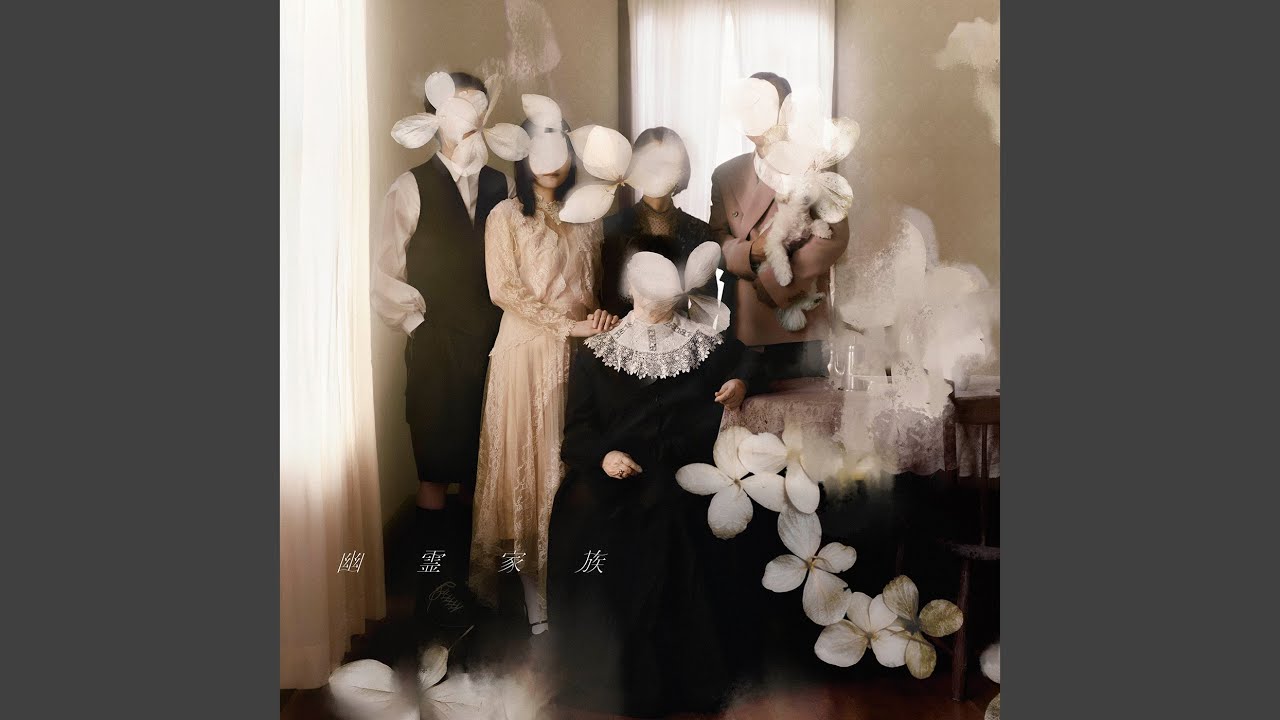
Hwang Sunup (music critic): Singer-songwriter Kayoko Yoshizawa is known for creating fictional characters and then mixing in a few drops of her own personal experience to give her work a distinctive vitality. Her sixth album, arriving five years after her last, is noteworthy for the way it sets aside this storyteller approach and, for the first time, puts her unadorned self front and center. Her intentions with the album are unmistakable right from the opening tracks. “Anoie wa monai” concerns her memories of the yard around her house demolished during her teenage years, and “Ototo” was originally written to encourage her then much younger brother. Beyond that, she draws freely on intimate personal material—an imaginary friend who kept her company, reflections on who she is now compared to the girl who wouldn’t eat bell peppers, a collaboration with novelist Shinji Ishii, whom she has long admired—all in service of unpacking what family, both blood and chosen, means to her.
Various arrangers worked to paint each track with their own brand of colors, including the singer’s younger brother, who creates songs for music boxes. “Tasokare” is filled with buoyant, upbeat strings. “Tokinoko” is a ballad cut of the classical cloth. “Ototo” pushes into more aggressively distorted territory than anything Yoshizawa’s ever done before. “Usagi no hikari” enlists ROTH BART BARON to conjure a vast universe of sound. Standout tracks like these prove the music never takes a back seat to the message.
Grounded in this unfading imagination, she adds her own meaning to the word “family.” In “Anoie wa monai,” she sings, “memories slowly, slowly allow themselves to be tended, and grow beautiful,” and likewise, she’s managed to arrive at a place of peace with the past, and defines family, too, as strangers—people you’ve spent so much time with, yet who understand and accept you less than anyone else you know. There beside you, but impossible to pin down—like ghosts. Cherish them, she says, because they won’t be with you forever—but if there’s something you can’t forgive, remember that it isn’t absolutely required that you cherish them. In that way, she embraces each person’s right to decide for themselves what blood ties and found families mean to them. At this quiet declaration—there’s no one right way to make a family—the ghost families all around us softly surface.