One of the biggest cultural trends this year is “2026 is the new 2016.” As the name suggests, it’s a wave of nostalgia for a decade ago. On TikTok, searches for “2016” jumped by 452 percent during the first week of 2026, with more than 56 million videos using low-res, oversaturated filters typical of early social media. On Instagram, the #2016 hashtag has already been used in over 37 million posts by mid-January. Social media feeds quickly filled with photos taken in 2016, the Snapchat Dog Filter, and trends like the bottle flipping challenge.
At first glance, #2016 looks like the latest version of the retro trend. After rapidly cycling through each decade from the 1960s to the turn of the century, nostalgia has now caught up with the era of Pokémon Go and the dab. However, #2016 starts from a slightly different place than previous retro trends. In 2025, many people expressed fatigue with the flood of AI-generated content, often described as “Italian brainrot,” as well as meaningless memes like “Six-seven.” By the end of the year, this led to growing calls for what some dubbed “the Great Meme Reset.” The choice to revisit ten years ago reflects the moment when viral culture first began to take off. For a generation that grew up on mobile and social media, this is not secondhand nostalgia like city pop, but their first real version of the “Good Old Days.”
What about pop music? According to Spotify, songs released in 2015 and 2016 increased by more than 150 percent on its Top 50 - Global chart at the beginning of this year. Biggest songs include “That’s What I Like” by Bruno Mars, “One Dance (Feat. WizKid, Kyla)” by Drake, and “Starboy (Feat. Daft Punk)” by The Weeknd, all of which remain widely popular today. During the same period, playlists themed around 2016 surged by 790 percent. However, the songs users actually add to their own #2016 playlists tell a slightly different story. Instead of just global hits, a wider mix of tracks appears, and notably, Zara Larsson’s “Lush Life” ranks as the third most frequently featured song.
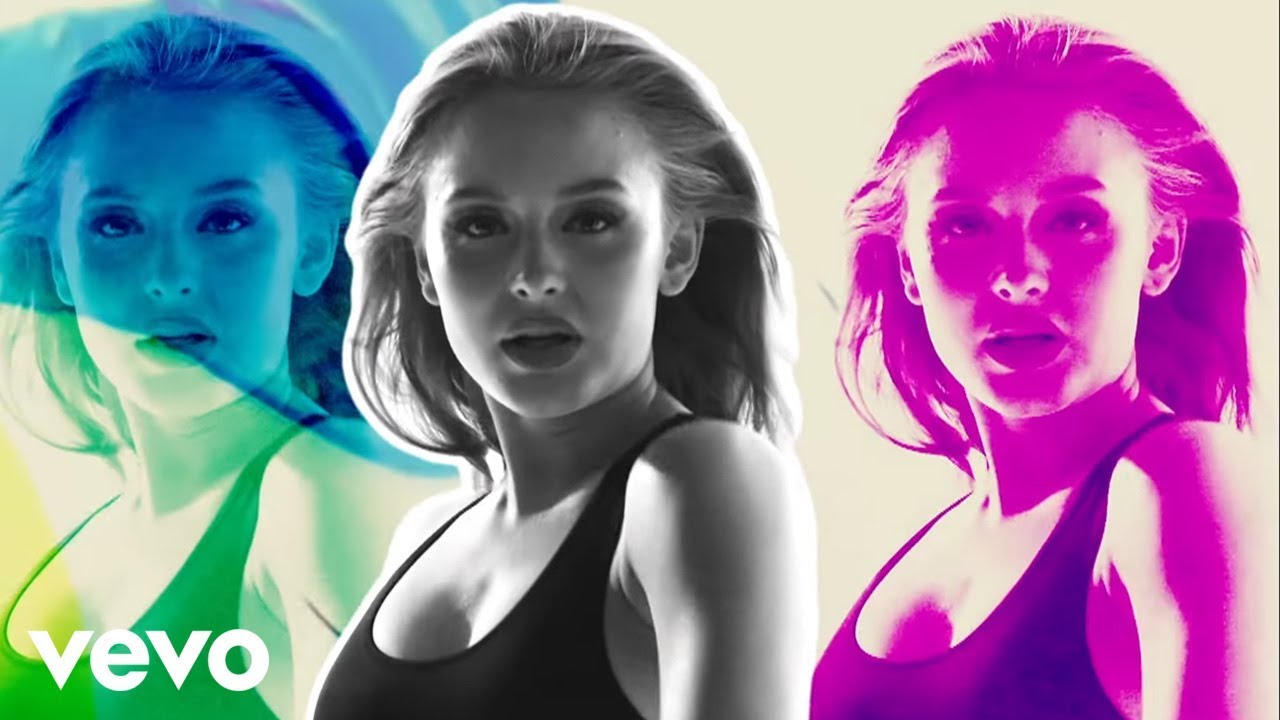
Zara Larsson is a globally successful Swedish pop star, including in the U.S., but she still sits a bit outside the league of artists like Justin Bieber and Drake. Around 2016 was the peak of her commercial success. That year, “Never Forget You” reached No. 13 on the Billboard Hot 100, while “Lush Life” peaked at No. 75. Her album “So Good” sold over one million copies in the U.S. and reached No. 26 on the Billboard 200. But aside from “Ruin My Life” in 2019, she hasn’t reached that level of success in the U.S. since.
Recently, though, the Hot 100 shows that Zara Larsson is seeing more than just a temporary viral boost. On the March 21 chart, “Stateside,” a collaboration with PinkPantheress, reached No. 6, while her own 2025 release “Midnight Sun” climbed to No. 49, both hitting new career highs. “Stateside” is her first Top 10 entry. “Lush Life” has dropped from its February peak of No. 36 but still sits at No. 50, higher than its original 2016 ranking. On a chart where new releases from Harry Styles and Bruno Mars take up around 20 spots, it’s hard to see this as the work of an artist past her peak. Is it really because 2026 is the new 2016, or is something else going on with Zara Larsson?
Zara Larsson’s resurgence actually started a bit before the #2016 trend, with the rise of the “Symphony Dolphin” meme in August 2024. The meme featured bright, rainbow-toned images of dolphins jumping out of the water, paired with contrasting captions like “I’m depressed,” and set to “Symphony,” her 2017 track with Clean Bandit. The upbeat EDM sound and hopeful lyrics about new love only made the mismatch between the image and message funnier.
At this point, Zara Larsson took a different approach from most artists who suddenly went viral. Most either stay confused as their music gets used out of context or treat it as a one-off marketing moment. Zara Larsson, however, leaned into the meme’s absurdity and turned it into something that worked in the real world. Her early response helped turn a loose, short-lived viral moment into a more grounded connection with a real artist. Ahead of her U.S. tour, she even joked on TikTok, “Trying to think of ways to milk this dolphin trend so I can sell out my U.S. tour,” showing a blunt but playful sense of promotion. She also quickly picked up on fan requests, adding dolphin visuals to the stage while performing “Symphony.”
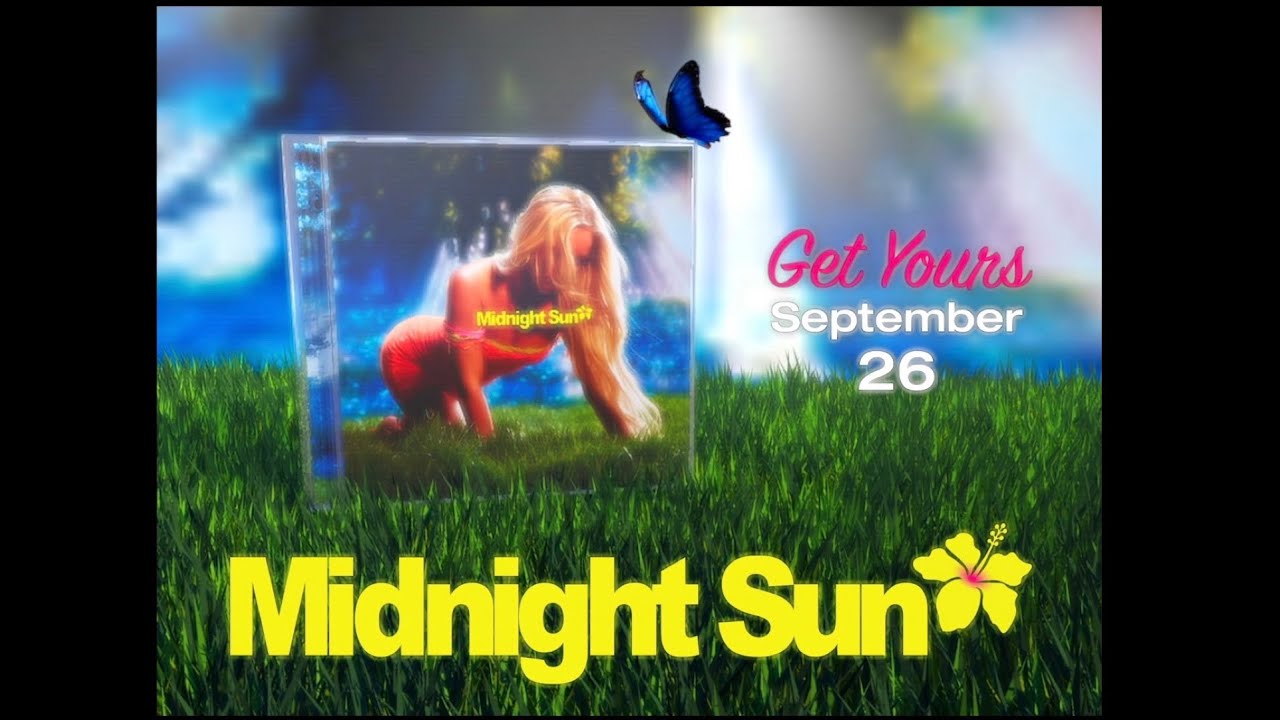
She took it a step further, turning the “Symphony Dolphin” aesthetic into the visual concept for her 2025 album “Midnight Sun.” As she later put it in interviews, “How can I incorporate it into my world?” That idea went on to shape the album’s mood board: animals and rainbows. Across the album and its title track, the visuals shift in detail but keep a consistent look. You can see it in the animated-style remix cover for “Midnight Sun,” as well as in the album packaging created with Lisa Frank, an artist known for her neon-toned illustrations from the 1980s. Her tour styling leans into either a mermaid-inspired look or a revival of glittering pop star glam.
That kind of clear visual direction naturally drew attention from the industry. “Midnight Sun” was well received and stayed in the conversation throughout 2025, while the track “Midnight Sun” earned a nomination for “Best Dance Pop Recording” at the 2026 Grammy Awards, competing alongside artists such as Lady Gaga and Selena Gomez. By the fall of 2025, PinkPantheress had also reached out to Zara Larsson for the remix project “Fancy Some More?,” following her mixtape “Fancy That,” which landed on multiple year-end Top 10 lists. The project featured four different versions of the “Stateside” remix, one of which featured Kylie Minogue.

By the time 2026 began, all of this momentum was already in place, and the #2016 wave hit. As the trend took off, “Lush Life” re-entered the Hot 100 at No. 70 on January 17. That renewed attention carried over to “Stateside,” with the remix debuting at No. 100 that same week. The Grammys added another boost, with “Midnight Sun” entering the chart at No. 82 on January 31. On February 21, American figure skater Alysa Liu performed her gala to a remix of “Stateside” after winning gold in women’s singles at the Winter Olympics, giving the song another surge in popularity. The momentum hasn’t slowed since, and as of March 21, she still has three songs inside the Top 50.
Is it just luck? You could see it that way. A ten-year-old song goes viral, the era of her peak is suddenly back in the spotlight, and an American figure skater wins gold for the first time in 24 years and chooses her song for a highly watched gala performance. None of these events could have been planned or predicted. But recognizing what it all means and knowing how to respond is a different story. Zara Larsson understood that from the start.
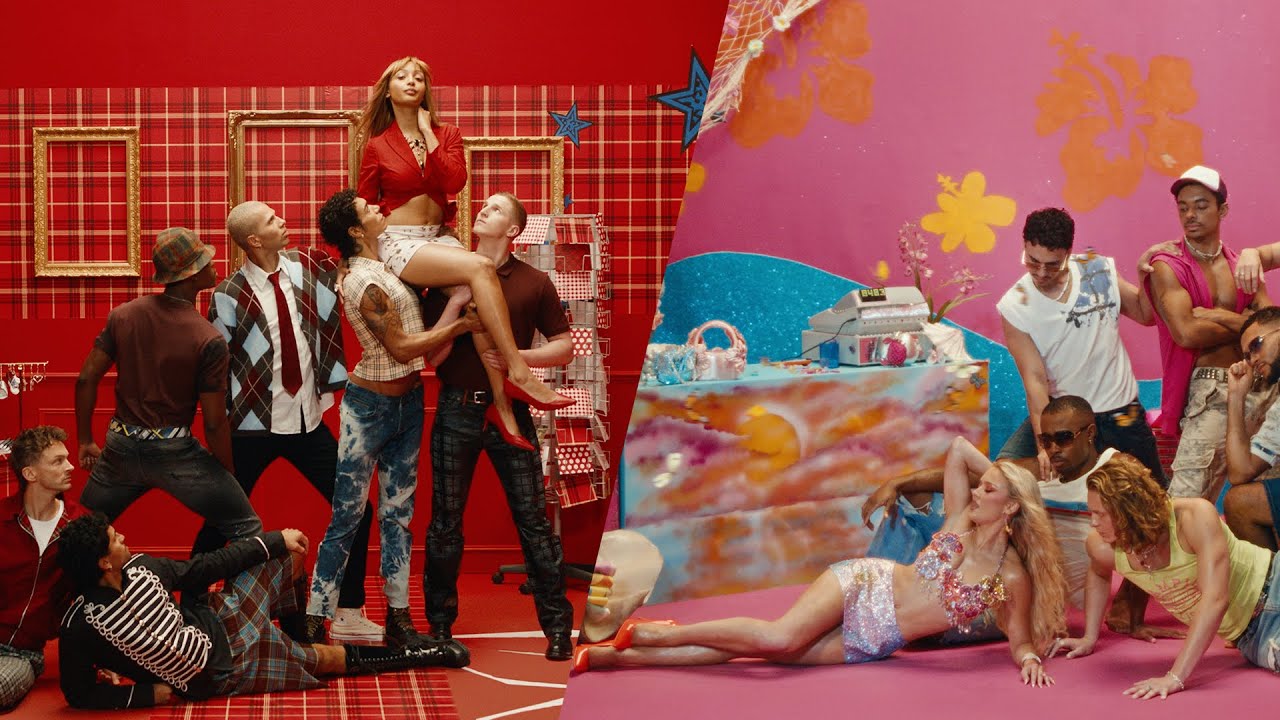
In a 2024 interview with Rolling Stone, she put it like this: “If my manager had pitched a dolphin trend strategy to make the song blow up, I would’ve thought he was crazy.” At the same time, she pointed out that once the meme took off, it tapped into something universally relatable, like a teenage girl pouring her darker emotions into a brightly decorated diary. She said she tries to strike a balance between playing along with the meme and giving a subtle wink to those who get it, without overdoing it to the point where it becomes stale.
Zara Larsson saw the moment right away and knew exactly what to do with it, reshaping her brand in the process. She became more than just another artist people casually stream; she became someone who stands out among listeners who actively build and curate their own playlists, evoking 2016 without feeling predictable. She also became a natural choice for artists like PinkPantheress, who shares the same dance-pop space but represents the next generation, and the artist whose song a Gen Z Olympic gold medalist chose for a defining moment. Social media has changed how people discover music, and TikTok trends shift constantly. But those moments aren’t just luck. Zara Larsson proves that.