The Seoul Jazz Festival has evolved into a sprawling urban celebration of music that defies genre. It’s an event where not only jazz but pop, R&B/soul, and more all come alive in the most exciting way possible. Year after year, the festival has attracted a lineup of Korean and international artists with more to offer than just big names, giving music lovers plenty to celebrate.
This year’s lineup is no exception. Musicians, bands, and singer-songwriters who’ll get your heart racing are all headed to SJF. Below is a handpicked selection of R&B/soul acts you simply can’t miss—the ones pushing the genre in the most exciting new directions today.
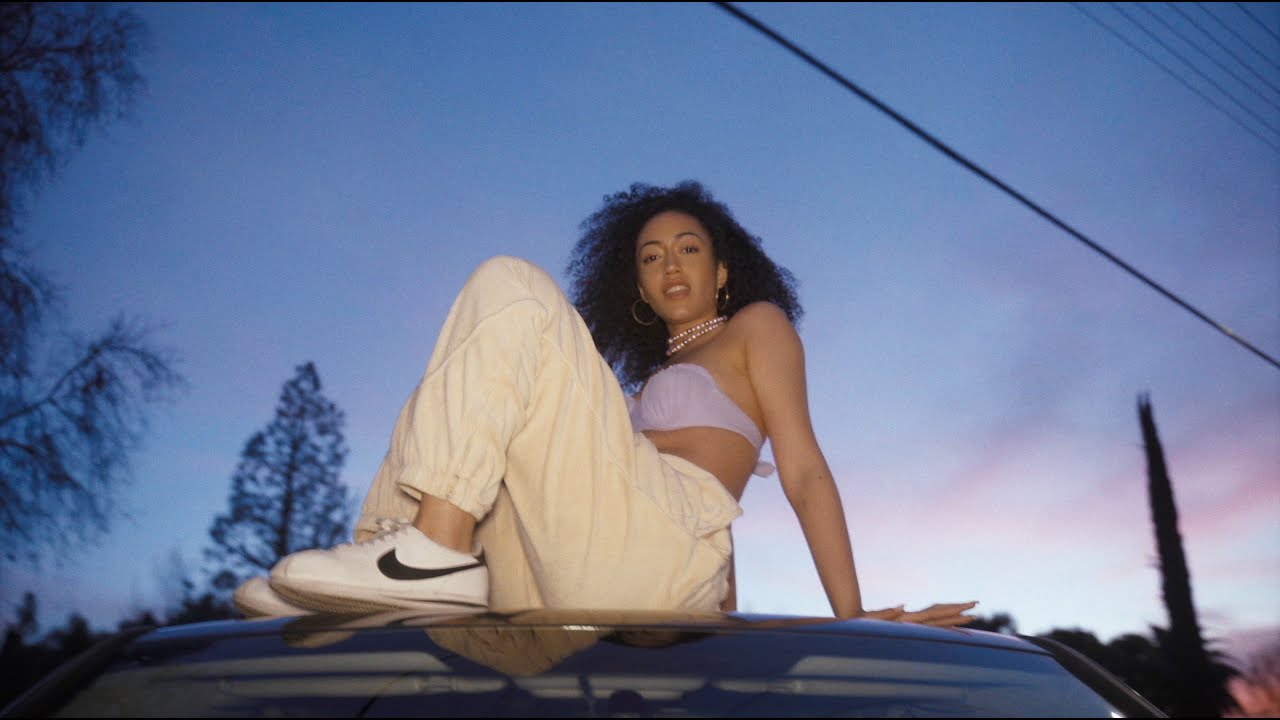
Jenevieve
Just as a city opens up to its inhabitants as darkness settles over its skyline, some music awakens more emotions the longer the night goes on. Emotions that barely registered during the day suddenly come into focus in the midnight air. And that’s exactly what Jenevieve’s music does.
When people first discover her music, they often feel like they’ve stepped into another era. The songs are definitely from the 2020s, yet they’re soaked in a late ’90s, early 2000s vibe. Jenevieve draws heavily from both the music of that era and older soul, having grown up surrounded by pop hits of yesteryear thanks to her parents and later falling head over heels for the music of ‘90s R&B icons like Zhané and Joe.
But her music isn’t simply nostalgia repackaged—it’s closer to a reinvention, taking the distinct textures of the past and injecting them with present-day feeling, which is why it sounds fresh to younger listeners while quietly reawakening something older listeners had long let lie. Her breakthrough single “Baby Powder,” which samples Japanese singer-songwriter Anri’s 1982 song “Last Summer Whisper,” is the clearest example, with its dreamy synths, supple bassline, and whispery vocals that together evoke an old neon sign—fuzzy but magnetic, aging but not easily forgotten.
Jenevieve came knocking at the music world’s door relatively young. When she was around 13, she told her family she wanted to pursue music, and she eventually caught the attention of industry figures with a demo she recorded in the studio. It was nothing like the grand singer-to-stardom narratives so common in the world of pop music today. Her arrival was quiet, and it came on slowly.
Those traits are mirrored in her music. Rather than packing her songs with wall-to-wall sound, she leaves some breathing room for the listener’s emotions to settle into the space. Her vocals are just as compelling. She’ll draw out a single note to set the tone, then shift things completely in a single breath. At certain times, it sounds less like she’s singing and more like she’s murmuring directly into your ear.
Today’s algorithms carve music into ever-finer slices, nudging people toward what they already like and keeping them there. But strangely enough, Jenevieve’s music has the power to bring all that consumeristic scrolling to a halt. It lingers like a midnight air that slowly fills the room and quietly brings you back around to forgotten emotions.
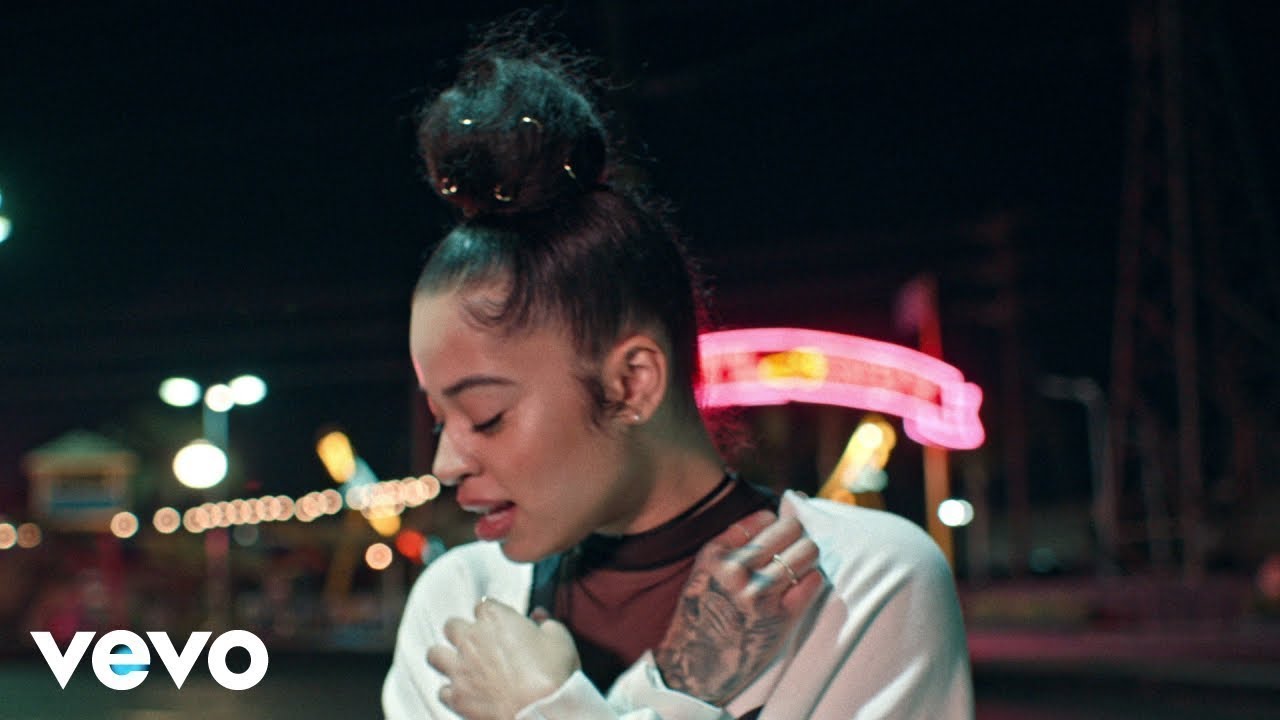
Ella Mai
Love doesn’t always leave its mark through major defining moments—sometimes it’s remembered through the small and the ordinary, like the lonely glow of a smartphone in the late of night. That’s exactly the kind of lingering emotion where Ella Mai’s songs tend to start, and it leaves you with an uncanny feeling.
The love stories she tells work through no tangled metaphors, no melodrama, no unnecessary tragedy, just open honesty. And that honesty is rarer in today’s R&B scene than you’d think. “Boo’d Up,” the song that launched her onto the worldwide stage in an instant, has simplicity and candor at its core. When layering trap rhythms with gloom and existential dread had become the norm in mainstream R&B, she sang a familiar emotional story of falling in love for exactly what it is, no more, no less.
She’s just as talented at regulating that emotional weight with her vocals. She never pushes her voice beyond what the moment calls for, and that restraint is what allows her songs to sound so straightforward and still linger on the mind.
The spirit of late ’90s and early 2000s R&B runs deep in the music of this “modern R&B traditionalist,” as “Rolling Stone” called her. In broad terms, she and Jenevieve share the same musical era as a touchstone, but Ella Mai leans a little more into a mainstream R&B sound.
She appeared on the competitive UK reality show “The X Factor” in 2014 as part of a girl group, and while it didn’t work out for her, that failure didn’t spell the end for Ella Mai but a different kind of beginning. She started posting videos of herself singing on social media, which caught the eye of mega producer and DJ Mustard, setting her down a path that led to where she is today.
Where the old industry ran on a system of TV, radio, and televised competitions, Ella Mai proved herself in the comparatively intimate space of social media. And she’s been moving through the contemporary pop music landscape ever since on the strength of a sound that seeps in slowly and sticks around.
Emily King
The pop music world of today demands its artists constantly explore new horizons. You have to grab attention faster, pull heartstrings more forcefully, and burn your name into people’s minds with more intensity than ever before. That’s why a lot of pop stars turn up the volume to prove themselves—harder beats, sharper hooks, bigger spectacle.
But some artists move in the opposite direction. They lower the volume, rein in the emotion, and push their way into a quieter space. Emily King is that kind of artist. There’s a subtle vibration running through her vocals and her music—something you could call restraint, or perhaps maturity—but to be more precise, her music calls forth an emotional wave that washes over the listener rather than knocking them flat.
Listening to her songs, you can feel the space she leaves between each instrument, between her voice and the silence. Her music has all the breathing room of an old jazz bar or soul club—the kind of place where the singer’s breathing works its way in as another part of the music. That’s what places King’s music right on the line that straddles contemporary R&B and pop while still containing a more classic brand of emotion. The sound is of the digital age, but there’s a warmth there you can reach out and feel.
She was about 16 when she dropped out of school to focus on her music, singing her way through small venues across New York, and made a name for herself after appearing on Nas’ 2004 album “Street’s Disciple.” She released her debut album, “East Side Story,” in 2007, for which she earned a Grammy nomination for Best Contemporary R&B Album and found herself firmly on the industry’s radar.
But interestingly, King didn’t follow down the usual pop star path from there. Stepping away from the big labels, she made music in a far more self-sufficient way alongside producer Jeremy Most. That independent streak is central to understanding her whole musical vision.
Much of pop music is made with the express purpose of chasing trends, but King’s songs feel like they prioritize human emotion over the fad of the day. That’s why they only feel more meaningful still with time—return to them years later and they haven’t aged a day. They connect with different parts of your life in new ways. The way Emily King’s music holds up no matter how much time passes is something else.
Galdive
Southeast Asian pop music has built up its artistic reputation over many years, though it’s often felt like something viewed from the outside looking in. Indonesian duo Galdive sidesteps that familiar dynamic with ease.
Made up of singer Tisha and producer Osvaldo Rio Nugroho A., Galdive really got going in 2018. Both were influenced by the music of Danish electronic artist Galimatias. In fact, their name is reportedly a blend of “Galimatias” and “Maldives.”
That name turns out to be a surprisingly good description of their music. With all the sophistication of Galimatias’ signature sound and the easygoing attitude reminiscent of the Maldives, Galdive’s songs are always carried along on a smooth wave. The beats flow with a loose ease, the synths roll like mist, and Tisha’s voice is filled with whisper-quiet emotion. It’s the minimalism of contemporary R&B meets something dreamier, something more romantic.
The duo’s also developed a seamless sense for the World Wide Web generation, the listening habits of the streaming era, and the power of alternative R&B to blur the lines between genres. Sometimes, they reach more deliberately into their own cultural background. Their sophomore album, “Blue,” is a good example—the track “Night Charade” is built around traditional Indonesian instruments like the suling, talempong, kendang, and angklung.
The Internet and streaming have fundamentally restructured the whole music industry. More and more listeners now look for music based on mood and the algorithm rather than country of origin, and Galdive surfaced during those shifting tides. In fact, many people say it took them a long time before they realized Galdive’s Indonesian. The duo’s 2023 collaboration with Korean R&B star DEAN, “DIE 4 YOU,” was just another example of exactly their place in today’s musical landscape.
Their music swims in an easy swirl of R&B, dream pop, electronic, and neo soul that builds emotion slowly and pulls you under. Galdive’s music isn’t something you simply use up till you’ve had your fill. It’ll keep slipping quietly into the hours when we’re most honest with ourselves and settle our souls.
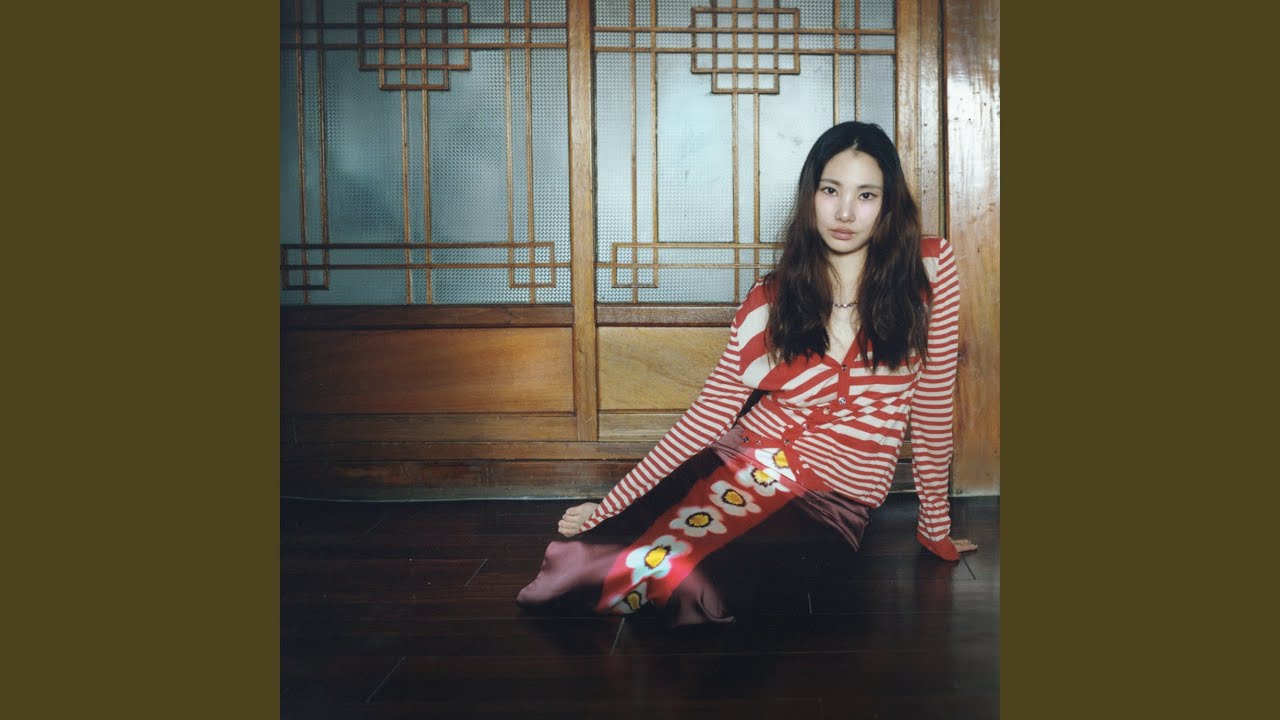
youra
Music doesn’t always seek to soothe your feelings. Sometimes it unsettles, leaves a lingering image, or leaves you with space to sit with things. It’s hard to walk away from music like that—the kind of music singer-songwriter youra writes.
If Korean mainstream pop has been moving toward clarity—sharper hooks, more straightforward messages, a more immediate response—youra is almost always headed in the opposite direction. Crossing fluidly between R&B, alternative pop, experimental jazz, and avant-garde pop, she’s made blurring the lines her signature. It feels like a quiet act of resistance against an era that too readily consumes emotion.
What’s interesting is that none of this creative experimentation creates a sense of distance. youra’s music can be complex and elusive, but it’s also deeply human, and that’s arguably its greatest strength. Her vocals and lyrics carry an ambivalence that lands like a hairline fracture, then spreads somewhere deep before you even realize what’s happening. Her 2022 EP “The Vibe is a Chance,” a collaboration with jazz trio Mandong, and her 2023 debut studio album, “(1),” are where you can feel this with the most immediacy.
youra seems less interested in chasing trends than in digging deeper into her own sensibilities, and that decision of hers has given rise to a world within Korean pop that’s hard to replace—one that can be cold and dreamlike at times, and yet arrestingly beautiful, almost strangely so.
- J-pop in Korea you won’t want to miss2026.04.20
- The sound of now: Coachella 20262026.04.10