Noah Kahan’s fourth studio album, “The Great Divide,” debuted at No. 1 on the Billboard 200 upon its April 24 release. Its 215.37 million streams make it the year’s strongest streaming debut, while its 389,000 equivalent album units mark the biggest opening week for a rock album since Billboard adopted its current chart methodology in 2014. The album also sold 110,000 vinyl copies, the highest total for a rock release since 1991. The singles have been just as strong. The pre-release tracks “Doors” and “The Great Divide” have performed well not only on the Billboard Hot 100, but also on Billboard’s Country and Adult Alternative Airplay charts. Kahan has been steadily climbing for years. Since breaking through with the TikTok-viral “Stick Season” in 2022 and earning a Grammy nomination for Best New Artist the following year, he has continued to build momentum. With “The Great Divide,” he has finally reached the summit. We are witnessing a young musician from New England’s Upper Valley arrive at a watershed moment in his career.
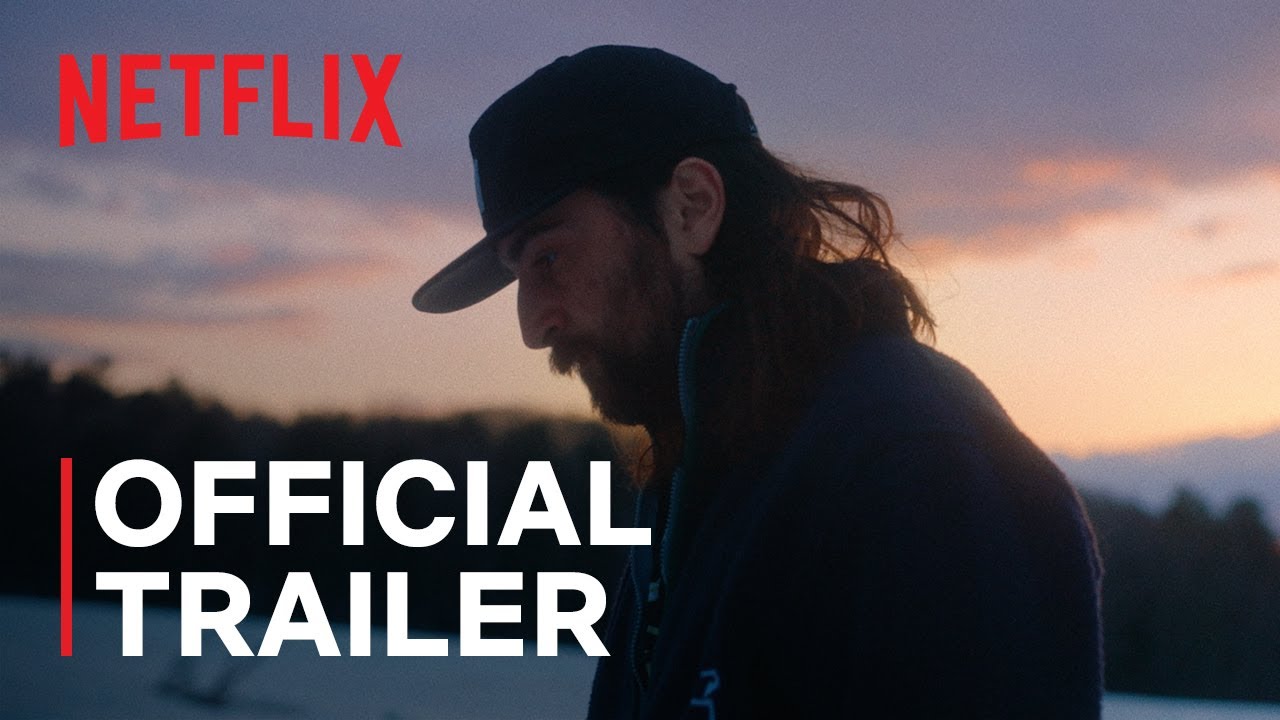
Along North America’s Continental Divide, water flowing west from the Rockies and the Andes makes its way to the Pacific, while water flowing east runs toward the Atlantic. The same logic runs through “the great divide” Noah Kahan sings about. From the ridge of his music, everything runs in two directions: the traditional songs he absorbed from the small town where he was born and raised, the questions about music that followed him after he became a superstar in the new social media landscape, and his struggle to understand who he should become after success. Kahan first started singing, hoping to carve out something of his own among four siblings. He is now a superstar playing to tens of thousands of fans at venues such as Fenway Park, Citi Field, and Madison Square Garden. Behind the superstar image is a man still struggling with anxiety, obsessive-compulsive disorder, and binge eating. In the Netflix documentary series “Noah Kahan: Out of Body,” Kahan lays bare his daily life and personal growth. What emerges is the story of a prodigal son: a singer-songwriter of the pandemic generation trying to keep pace with a changing world, even as success keeps pulling him farther away from home. Though part of him wants to stay home, his talent keeps pushing him toward greater success. The bigger his success grows, the more sharply the person he used to be collides with the person he is now, leaving only uncertainty behind.
The only way through that tension was new music. For that, Kahan turned to Aaron Dessner of The National. Dessner, the sonic architect behind The National’s brooding blend of post-punk, country, and blues, had already helped Taylor Swift turn inward on 2020’s “folklore,” the pandemic-era album that found depth in quiet restraint. Parts of “The Great Divide” were also recorded at Long Pond Studio, where “folklore” was made, and Justin Vernon of Bon Iver, who also contributed to that album, appears on “Downfall.” The stomp-and-clap indie-folk style that stood out on “Stick Season,” in the vein of acts such as Mumford & Sons, gives way here to Dessner’s signature emotional restraint and layered atmosphere. The album quietly brings into a male singer-songwriter’s work the lyrical intimacy and confessional directness more often associated in recent years with women singer-songwriters. There is a reason Rolling Stone praised Dessner, in its review of Kahan’s new album, as “the sad-folk Phil Spector.”
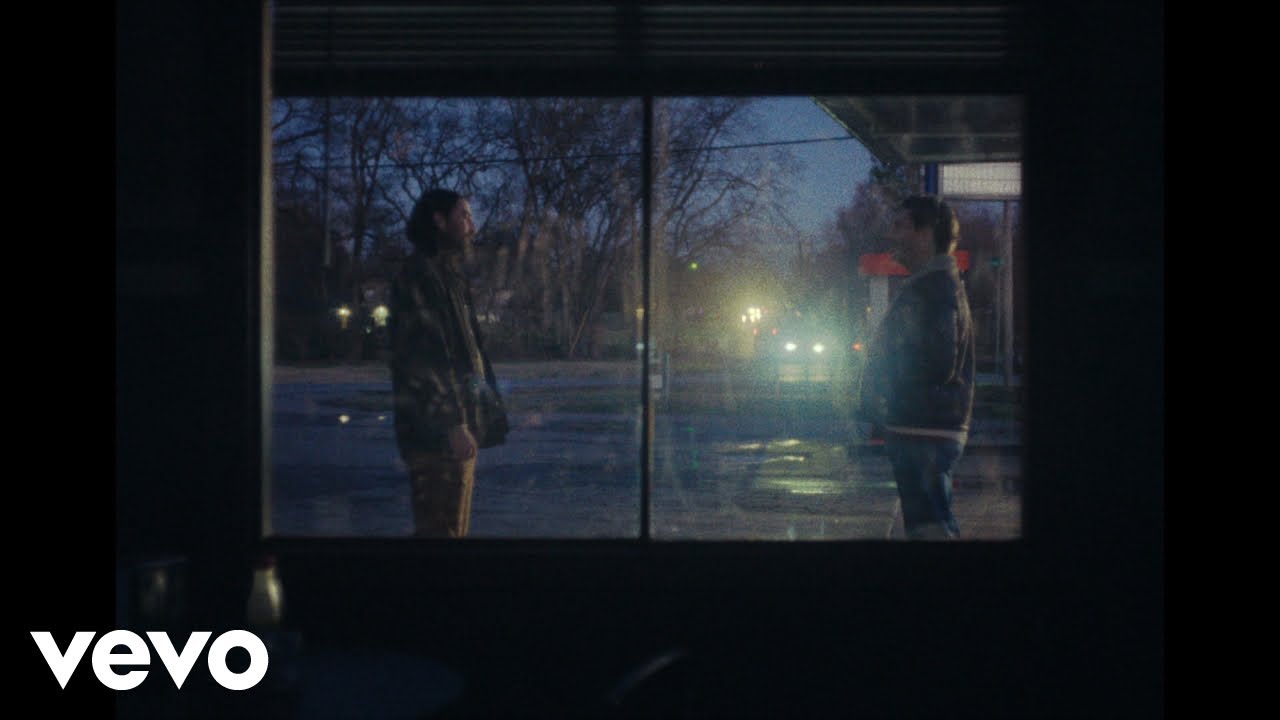
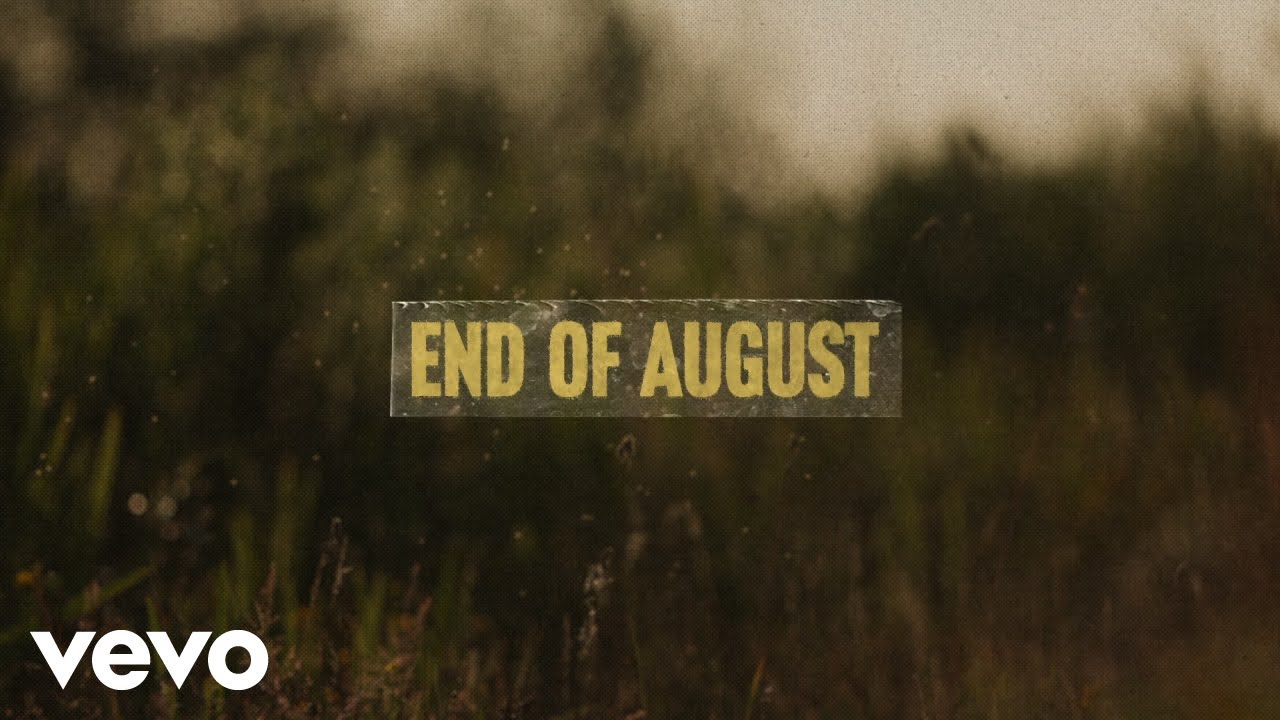
Across its 17 tracks, “The Great Divide” crosses the ridge through songs that live between worlds, confessing Kahan’s present from two directions at once. In “End of August,” which opens with spare piano, the hometown he returns to is a town fading out. When he follows New York plates all the way to the county line, what kind of song is a singer-songwriter supposed to sing after making it big and becoming a star, back in a place where the same people keep winning elections and the next generation grows up building homes they could never afford to live in? “American Cars,” written from the perspective of Kahan’s younger sister Anastasia, captures the conflicted emotions and uneasy welcome of the siblings who stayed behind as their brother became a superstar. “Haircut” is even more direct. When Kahan comes back looking changed after cutting his hair, the people who stayed behind unload everything they have been holding in: “You grew your hair out long. Now you think you’re Jesus Christ. Ain’t nobody mistaking your guilt for some great sacrifice. (...) I’m happy for your haircut. I’m glad you got your act cleaned.”
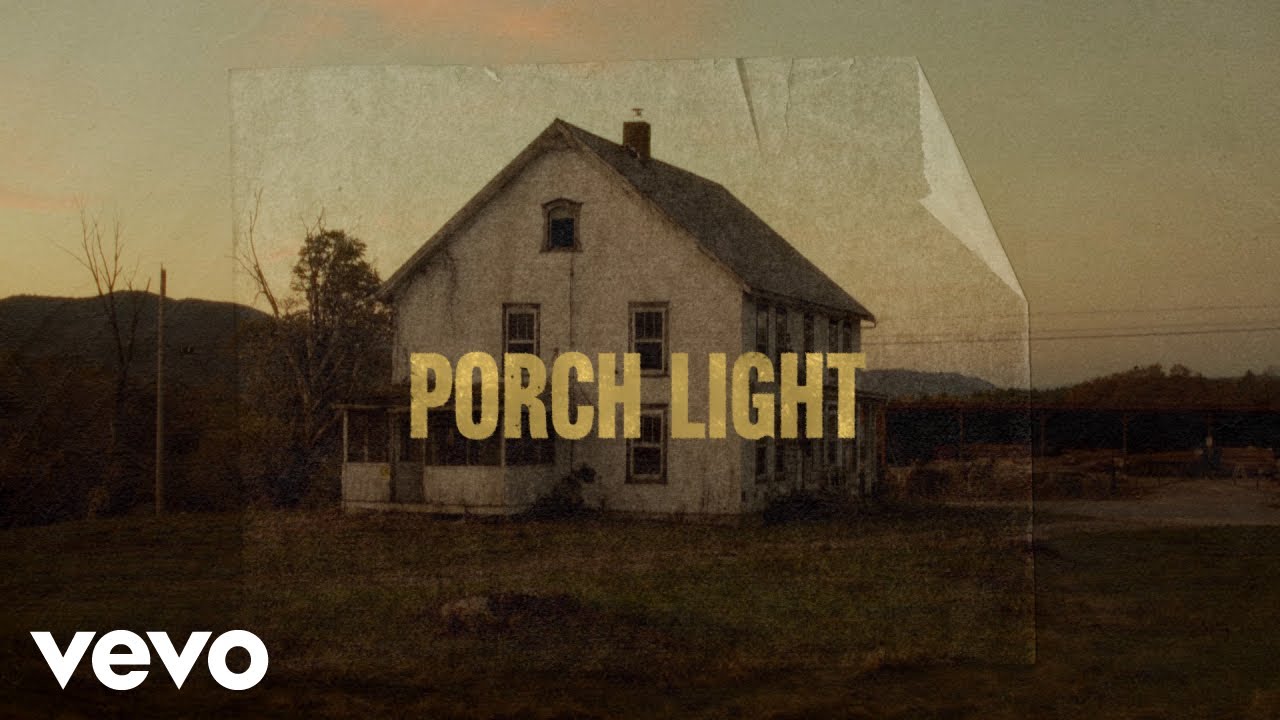
Amid the small-town gossip captured in “Porch Light,” where people accuse him of getting rich off hometown stories that were never his alone to tell, Kahan lets out a weary sigh on “Dashboard”: “Tryna run away. Change your zip code. Turns out that you’re still an asshole.” The pain that only becomes visible after success, the anguish of finally having the power to take responsibility for others and realizing how much time can no longer be repaired, weighs heavily on the album. Political arguments, addiction, bravado, and self-mockery remain unresolved. Hours pass in front of the television, lifeless and directionless, carried along by the album’s country, folk, and folktronica currents. Ann Powers of NPR Music was right to describe “The Great Divide,” in comparison with Marilynne Robinson’s “Home,” as a “prodigal son fable.” More precisely, it is the cry of someone who has become larger than the place he came from, returned home, and found himself unable to fit there anymore, now trying to shake his hometown out of its long stillness.
Kahan is searching desperately for a sense of belonging amid the guilt that comes with success, the resentment of those left behind, and a lingering anxiety that never quite fades. Finding a balance between individual success and collective disappointment is a daunting task for a singer-songwriter born in 1997. Rather than making grand statements, Kahan turns the same scrutiny on himself. He examines his own contradictions from every angle and keeps the conversation open, trying to understand where everyone stands. That helps explain why Kahan resonates not only with Gen Z listeners who discovered him online, but also with longtime Americana and folk fans. His music finds a careful balance between Ed Sheeran’s gift for melody, the raw Americana of Zach Bryan, and the reflective sad-folk sensibility shaped by Taylor Swift and Aaron Dessner. There is also meaning in the very unfamiliarity of a male folk singer-songwriter speaking so openly from a place of vulnerability.
At 17 tracks and 77 minutes, the album can feel long at times, and its recurring sounds and ideas can feel like a weakness. What makes this interesting is that the weakness itself echoes the album’s central theme. Across its long, winding story, one thought keeps leading to another. The record feels more honest because it looks directly at the confusion of an artist still learning how to live as both a superstar and an ordinary young man from New England. Kahan’s next challenge is to place his personal wounds within a larger social frame. As he continues to wander between hometown and selfhood, his songs will become the poetry of their time only when he begins singing about the era and the structures surrounding his hometown. The storyteller who has climbed to the highest ridge now has to decide where he goes from here. Will it be the river, the mountains, or the city lights? A watershed is not a place to stay. That is why “The Great Divide” leaves us wondering where its current will carry him next.
- Zara Larsson’s 2016 Moment, Again2026.04.02
- Tyla Creates a Landmark Through Popiano2025.12.19
- Rosalía, the patron saint of maximalism2025.12.09