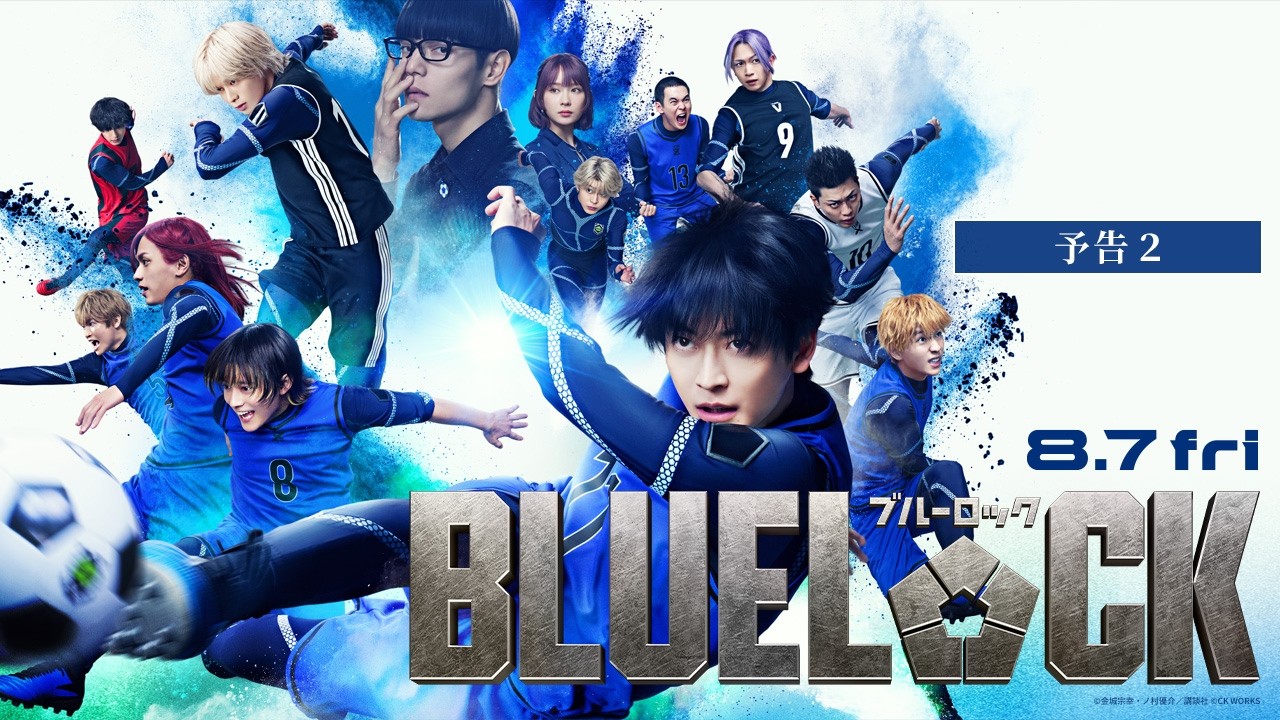
Sports manga used to run on friendship and teamwork, but that era’s behind us now. Today, competition and individuals proving themselves come out on top. “BLUE LOCK” sits at the center of that shift, striking a chord with the modern world. And at the core of the series is a bold claim: “If you’re not the world’s top egoist, you can never become the world’s best striker.” The brash idea that going it alone beats working together has given “BLUE LOCK” something no sports story ever had before, along with scores of fans all across the globe. A live-action film with K from boy band &TEAM as Seishiro Nagi is even coming to Japanese theaters on August 7. So why “BLUE LOCK,” and why now? Here’s five things that make the series worth a closer look.
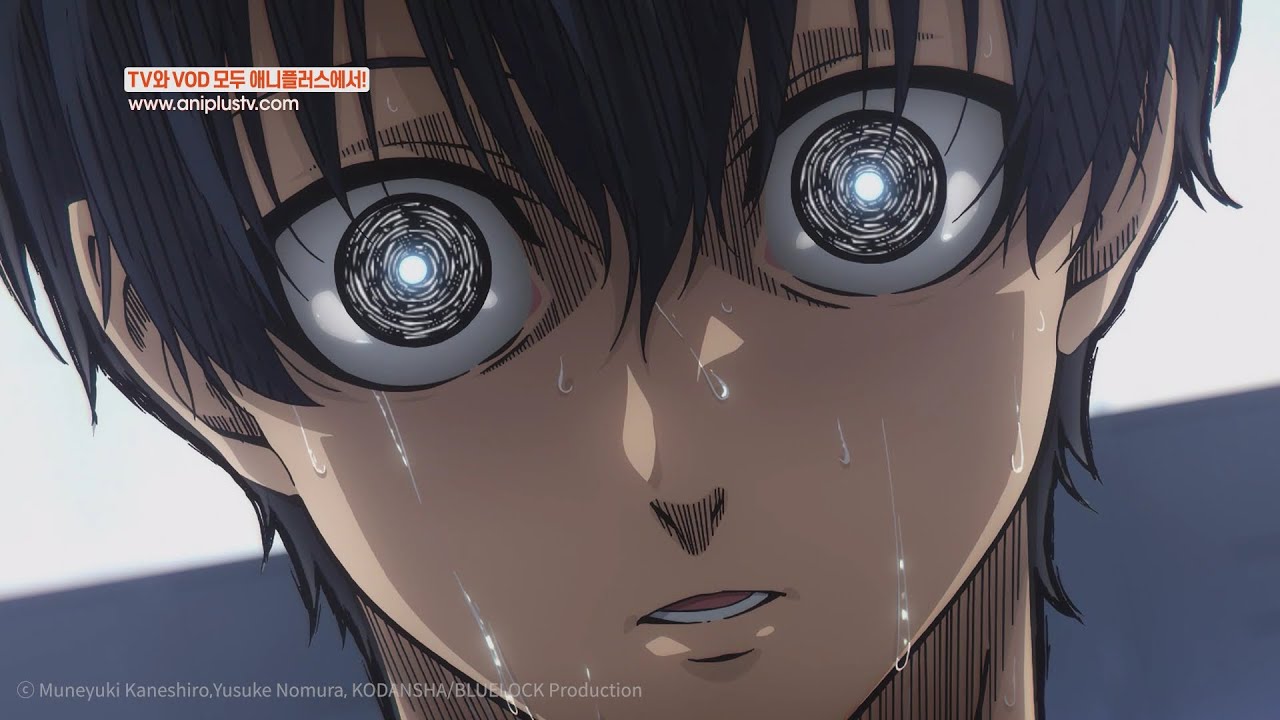
Prioritizing the individual over the team: How “BLUE LOCK” rewrites the sports manga playbook
When it comes to sports manga, the value of teamwork is rarely up for debate. “SLAM DUNK” was all about building trust on the basketball court, while “Haikyu!!” was about clockwork teamwork in the world of volleyball. “BLUE LOCK,” though, upends that formula right from its opening pages. “If you’re not the world’s top egoist, you can never become the world’s best striker”—that single refrain runs its way through the entire series, and it’s where “BLUE LOCK” breaks from everything that came before it. The story traces Japan’s repeated failures to win the World Cup back to one missing piece: offensive players hungry enough to want the goal for themselves. So the Japan Football Union’s answer is to round up 300 of the country’s most promising young forwards and lock them away inside a massive training facility called Blue Lock—where only one of them will make it out. It’s soccer as battle royale, plain and simple. And the terms are brutal—those who are eliminated lose their shot at the national team for good. Right from its premise, “BLUE LOCK” puts competition and elimination front and center, overshadowing things like friendship or cooperation.
What makes “BLUE LOCK” so compelling is that even though it’s a story about what’s ostensibly a team sport, the way the series is structured means it plays out more like a survival thriller. The athletes may play on the same team, and yet they’re rivals who ultimately have to push each other out. Even a pass meant to help a teammate has to serve your own goal in the end—looking for a play involving self-sacrifice is treated as a loser’s mindset. The whole idea takes the long-held sports manga mantra of devotion to the team and turns it on its head. That’s not to say the series simply glorifies selfishness. The ego at the core of “BLUE LOCK” isn’t about stepping on others on your way to the top—more the kind of belief in yourself that gives you the initiative to take it upon yourself to score when it really counts, without flinching away from the responsibility. And that’s why the series repeatedly poses the same question: Does winning come down to cooperation, or that unshakable belief in self? That provocative question is the biggest reason “BLUE LOCK” isn’t just another soccer anime. In fact, the series has upended everything we used to know about sports stories.
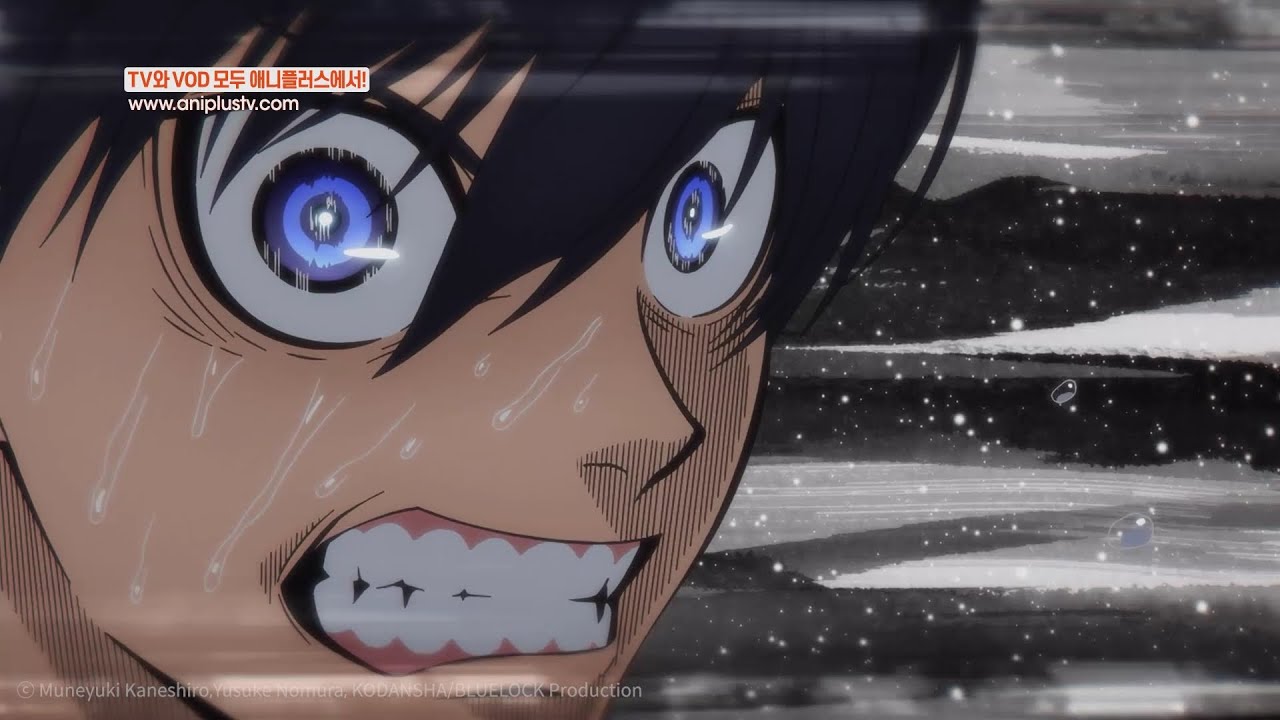
Eclipsing talent with a secret weapon: A wholly novel character arc
The hero of most shonen manga for boys either wakes up to some innate talent late in the game or grinds his way to becoming the very best through sheer effort. The protagonist of “BLUE LOCK,” Yoichi Isagi, though, doesn’t fit either mold. He isn’t exceptionally physically gifted, nor does he possess the kind of genius to flip a match in an instant. Instead, the series keeps circling back to a single question: What’s your secret weapon, one that’s yours and yours alone? In “BLUE LOCK,” becoming the single best player out there is never truly the point. What really matters is uncovering that special something that’ll give you an edge over hundreds of rivals, then pushing it as far as it’ll go to survive. That’s why the idea of a weapon or personal skill keeps coming up again and again throughout the series—Isagi taking his preternatural read of the whole field and translating that into a lethal shot, Chigiri proving his worth with blistering speed, Bachira dribbling in a way no one can predict, Kunigami with raw physicality and an insane left foot, Nagi with trapping skills that border on genius.
“BLUE LOCK” never expects its players to become some flawless, all-around type with a perfectly balanced skill set. If anything, it argues the opposite—hone the one thing you’re sharpest at until nobody can outshine you, which is why character arcs in “BLUE LOCK” are revealed less often in training montages and more through a process of self-reflection. Whenever one of the players loses, they don’t sit there envying what their opponent has that they don’t. Instead, they sit with the question, “What’s my secret weapon, and how do I develop it further?” While they do work on their soccer skills, what’s really at play here is a kind of psychological drama, dissecting personal strengths and weaknesses. In the end, personal growth in “BLUE LOCK” isn’t about inching closer to some model everyone admires, it’s perfecting a secret weapon that’s yours and yours alone. And that’s what makes this series more than just a sports story. It holds a hyper-realistic mirror up to everyone who’s trying to figure out who they really are.
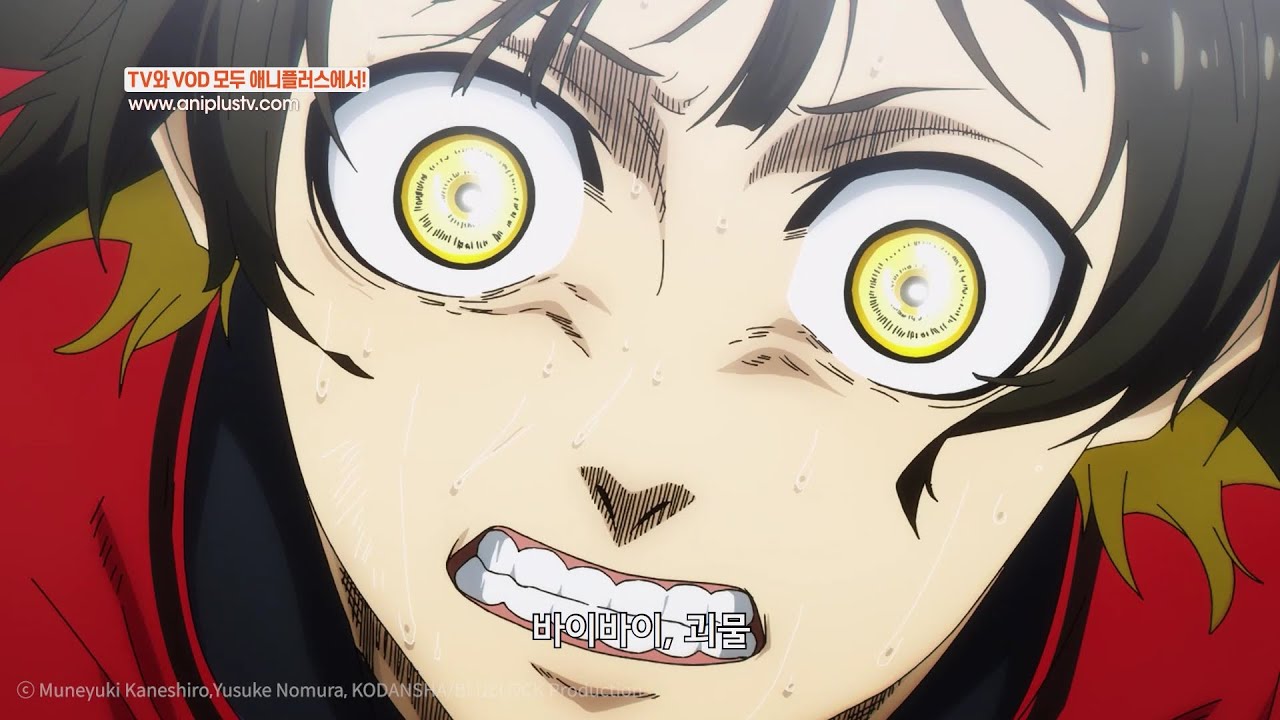
Rivals are protagonists too: Every character has their own philosophy
In a lot of sports manga, rivals exist mainly as a tool to emphasize the hero’s arc, but “BLUE LOCK” does things differently. In this world, a rival isn’t just a hurdle for the protagonist to overcome—they’re a protagonist in their own right, with their own goals, their own convictions, and their own philosophy around soccer. As such, the series digs into why each of them plays the way they do, and what they went through to explain the values they hold, with just as much attention as it gives the outcome of any of the matches. What’s interesting is that these backstories aren’t there to be mere flavor text. Whether it’s Bachira equating soccer with freedom and happiness, Chigiri’s desperation to outrun everyone else on the field, or Nagi only belatedly discovering his own competitive fire, the reason can always be traced back to past events. Through characterization like this, the series explores how a particular philosophy toward soccer comes to be in the first place, and in doing so, it imbues every single thing these characters do with a sense of inevitability. Every player has their own unique read on the game, and that philosophy informs their play style.
Which is exactly why “BLUE LOCK” never points to a single vision of soccer as the ideal. Instead, it shows what happens when contrasting values collide on the field, changing shape through failure and victory alike. It’s also why the series doesn’t just focus exclusively on Isagi’s arc. Every match hands his rivals a story that carries nearly as much weight as the protagonist’s own. A match in “BLUE LOCK” isn’t just a contest over who’s the better striker—it becomes a stage on which to test which belief pulls through to the end. And as you make your way through the story, you naturally end up rooting for whichever character’s philosophy speaks to you most, even if they’re not necessarily the strongest player. That’s why fans of “BLUE LOCK” are so fiercely loyal to particular characters—even Isagi’s rivals are fully realized protagonists, each with their own fully fleshed out story and personal philosophy.

Are geniuses born or made? How “BLUE LOCK” portrays talent
In shonen manga, the reader usually sees the hardworking protagonist’s genius at work as they overcome obstacles. His natural talent means he progresses faster than anyone else, and that sheer skill level makes him the envy of his peers. “BLUE LOCK” sees genius a little differently. Ultimately, the series argues that what causes a person to grow isn’t raw talent itself but the drive to push that talent to its limits. In other words, a genius isn’t just someone who’s skilled—it’s someone who never stops testing himself to see how far his own potential can take him. No character shows this more clearly than Seishiro Nagi. Despite having only just started playing soccer, Nagi shows a knack for trapping and a feel for the ball that are hard to believe. Everyone else can see his genius at work, but Nagi himself isn’t all that bowled over by soccer. He grumbles constantly, has no burning desire to win, no goal of improving, and yet he still crushes everyone he plays through sheer talent.
A more conventional sports story would only flesh Nagi out that far and then call it a day, but that’s where “BLUE LOCK” starts his arc. His evolution is steeped in emotions, not in technique. When he meets Isagi, it’s the first time he ever has to reckon with someone who can outperform him. He finally finds direction for his talents once he’s provoked into wanting to improve. It’s here that “BLUE LOCK” lays out the twist that even genius needs desire if it’s ever to develop further. Talent might get you a head start, but how far you go from there comes down to how hungry you are. That’s what makes Nagi more than just a lazy genius. More than anyone else, he demonstrates the belief at the core of “BLUE LOCK” in dramatic fashion—the view that talent alone can’t get you all the way to the top. At the same time, he takes longer than anyone else to grasp the series’ central idea of ego. How will this unique aspect of his character carry over to the live-action version? Whatever &TEAM member K brings to the role will, in the end, tie back to the question “BLUE LOCK” has been asking all along: What does real growth look like?
A generation raised in competition: Why “BLUE LOCK” resonates with Gen Z
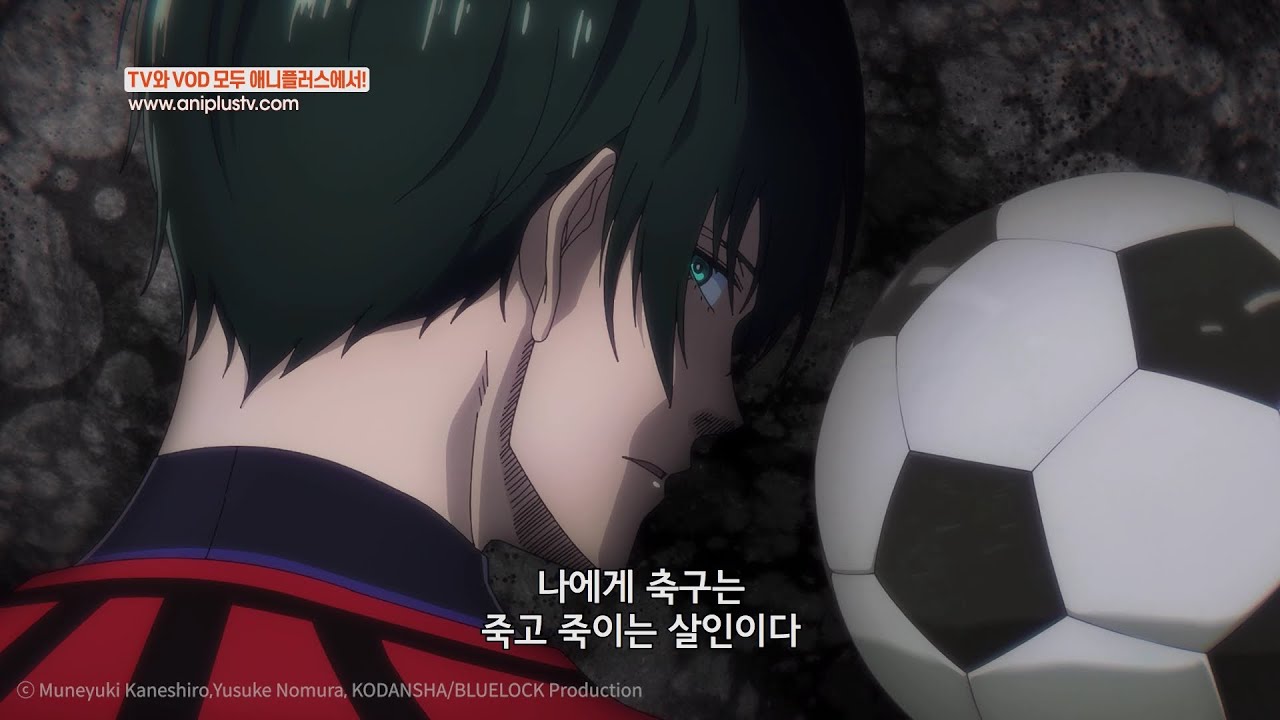
“BLUE LOCK” has sold more than 40 million copies in Japan alone, and the anime has been a hit worldwide. That kind of success is hard to explain away by simply saying soccer has universal appeal. What’s really made the series resonate so well is how it’s borrowed the same storytelling format pop culture can’t seem to get enough of these days and dropped it straight into a sports setting. Look at the most influential reality shows of the past few years, and nearly all of them are survival shows. From “Produce 101” to “Physical: 100” to “Culinary Class Wars,” contestants constantly have to prove themselves, and there’s people getting cut every round. And there can be only one winner. The fiercer the process, the more compelling it is to watch. Competition isn’t reserved for special occasions anymore—it’s become the default mode for storytelling. “BLUE LOCK” takes that idea, one that feels second nature to us at this point, and weaves it seamlessly into the more traditional world of soccer.
The most important thing is that “BLUE LOCK” was never really about who’s best. Every match tears down an old set of values and lets a new one take its place. Even the players who survive keeps shifting. And that’s exactly why “BLUE LOCK” strikes such a chord with today’s teens and twenty-somethings. This is a world that requires you to prove what makes you special and demands you to keep reinventing yourself. “BLUE LOCK” exists in the same competitive society young people have to confront—the series just happens to speak to the reality of the situation through the language of soccer. So how does that actually connect back to real life? According to “BLUE LOCK,” the answer is to listen to the voice inside you, focus on your ego, and do the things nobody can do quite the way you can. It’s hard enough just getting by in today’s world, but the competitive spirit at the heart of “BLUE LOCK” ends up feeling oddly comforting.