The Weeknd will take the stage at Goyang Stadium on October 7 and 8 for the Korean leg of his massive “After Hours Til Dawn” world tour covering his recent album trilogy. Taking this visit as an opportunity to revisit his full discography makes it clear just how dramatic his transformation has been throughout his career.
It was only as recently as 2011 that the Weeknd was a newcomer to the R&B scene, releasing mixtapes online for free with barely a face reveal. Just a few years later, he linked up with Max Martin and found himself in the thick of the pop mainstream, then teamed up with Daft Punk and put out a hit that swept the globe. From there he did the Super Bowl halftime show, and now he’s a genuine star performing to stadiums of fans around the world. Looking at where he started compared to where he is today, it feels like a completely different trajectory.
As much as things have changed, some things have stayed the same. The Weeknd continues to explore themes of desire and addiction, broken relationships, and the emptiness that follows night. His sound and the way he expresses himself have evolved, but that distinct Weeknd vibe hasn’t gone anywhere. To mark the singer’s upcoming shows in Korea, here’s five concepts that trace the constants, and the constant changes, that have colored his 15-year career.

1. Trilogy: The mystery-artist mixtapes that started it all
When the Weeknd dropped his mixtape “House Of Balloons” for free in March 2011, there was practically no information about him. “Thursday” and “Echoes Of Silence” followed later that year, and the following year all three were bundled together under the title “Trilogy.”
Listening back now, it can be a little hard to understand what all the fuss was about. Moody synths, slow beats, vocals awash in reverb, wide open mixing—these have all become fairly familiar parts of R&B over the past 15 years. But when “House Of Balloons” first came out, hearing all of it fused into a single sound was as novel as it was intense. The Weeknd and fellow producers like Illangelo and Doc McKinney brought the bleary bite of post-punk, dream pop, and goth music to R&B, along with deep reverb and a pervasive darkness. Where mainstream R&B at the time favored a smooth, crisp sound, the Weeknd left plenty of space in the margins with an emphasis on reverb and the low end. In that way, “House Of Balloons” held onto the familiar feel of R&B while crafting something far darker and more desolate.
The Weeknd’s falsetto vocals create another layer of tension on top. In a voice clear and supple in the tradition of Michael Jackson, he was singing about cocaine, sex, obsession, and self-loathing. The melodies are seductive, but the man behind the voice isn’t exactly trustworthy. It was that contrast of a gorgeous coat of paint over something so unsettling that made early Weeknd so appealing.
The three mixtapes make up the same musical world, but listen to them in order and you can hear them sliding steadily into deeper darkness. On “House Of Balloons,” the nights of partying, drugs, and desire still carry some allure, but by “Thursday,” things take a turn, with obsession, distrust, and control thickening the air between the singer and who he’s singing about. “Echoes Of Silence,” the trilogy’s grand finale, pushes the desire and self-destruction that ran through the first two records into even more extreme territory, and the isolation and emptiness waiting at the end of it keep building the further in you get. Taken together, the three mixtapes tell different stories, but they end up sounding like the same person cycling through the same desires, sinking a little deeper each time.
What ties this long narrative together more than anything else is the distinctive sound that consistently connects it all. The musical approach behind “Trilogy” became something that comes up whenever people talk about alternative R&B.
2. Crossover: Turning a new R&B sound into world-renowned pop
After “Trilogy” took off, the Weeknd was already looking beyond the underground. He had no interest in staying an influential but niche artist. Settling for his existing strong but cult following started to feel like selling himself short. The Weeknd wanted more people to hear his music. He wanted to become a star.
That didn’t mean he was going to bend to the rules of mainstream pop, though. “Alternative R&B is in my soul,” he said while making “Beauty Behind The Madness.” “It’s not going anywhere.” Even working with hitmakers like Max Martin, he stressed that they had to step into his world, not the other way around. His musical vision and his hunger for a bigger audience were moving in step.
“Kiss Land” was an important steppingstone. The 2013 debut studio album took the gloominess of “Trilogy” and played it out on a cinematic scale, working in what he experienced on tour visiting unfamiliar cities. But the real turning point didn’t come until 2015 and “Beauty Behind The Madness.”
Take “Can’t Feel My Face,” one of the album’s breakout singles, which leans into a funky bassline, tight rhythm, and short, crisp chorus for a sound that was much closer to straightforward pop than anything he’d done before. “The Hills,” meanwhile, carried over that dark “Trilogy” texture, with sparse verses, raw vocals, and explosive bass in the chorus. The fact that two songs of such opposing flavors both reached No. 1 on the “Billboard” Hot 100 says a lot about the Weeknd’s crossover approach. He wholeheartedly embraced the pop music format without scrubbing away the overall mood and sound of his earlier work.
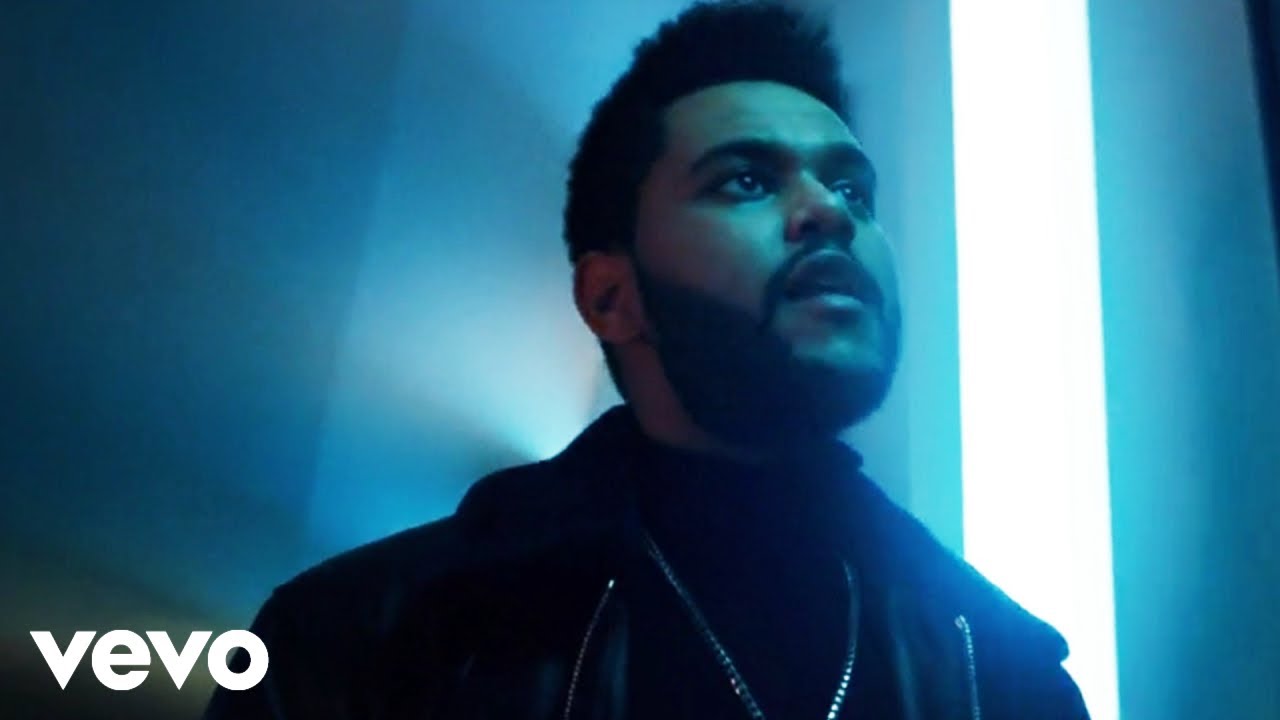
By 2016’s “Starboy,” the combined approach was completely natural. The titular song, featuring Daft Punk, revolves around a simple synth bassline, electronic drums, and a repetitive chorus. The focus on breathing room in “Trilogy” and the clean pop structure that started with “Beauty Behind The Madness” were no longer pulling in separate directions.
The blurring of R&B and pop in the 2010s can’t be credited to the Weeknd alone, since plenty of other artists were doing something similar in their own ways. But he took a sound and sensibility that wasn’t common in R&B and considered too gloomy for the genre and fused it with lean, mainstream pop. It was less a dilution than a translation—a crossover that was about more than just pushing the boundaries of genre, and which made him a pop star who sounded like no other.
3. Night: Recurring desire from party to purgatory
Certain images pop up in the Weeknd’s music again and again. Nighttime, cars, hotels, clubs, drugs, ruined relationships, and usually at the end of it all, the emptiness left behind once the fun fades.
In his early work, night was a time where desires could be pursued without a second thought. The singer treats pleasure and relationships as something to be consumed as he pleases, barely considering the consequences of his actions. The women in this period of his music are mere objects of desire and addiction. An attitude that screams emotionally controlling and exploitative shows up again and again. The gap between that beautiful falsetto and the selfish, destructive desire was a big part of what instilled this phase of the Weeknd with tension.
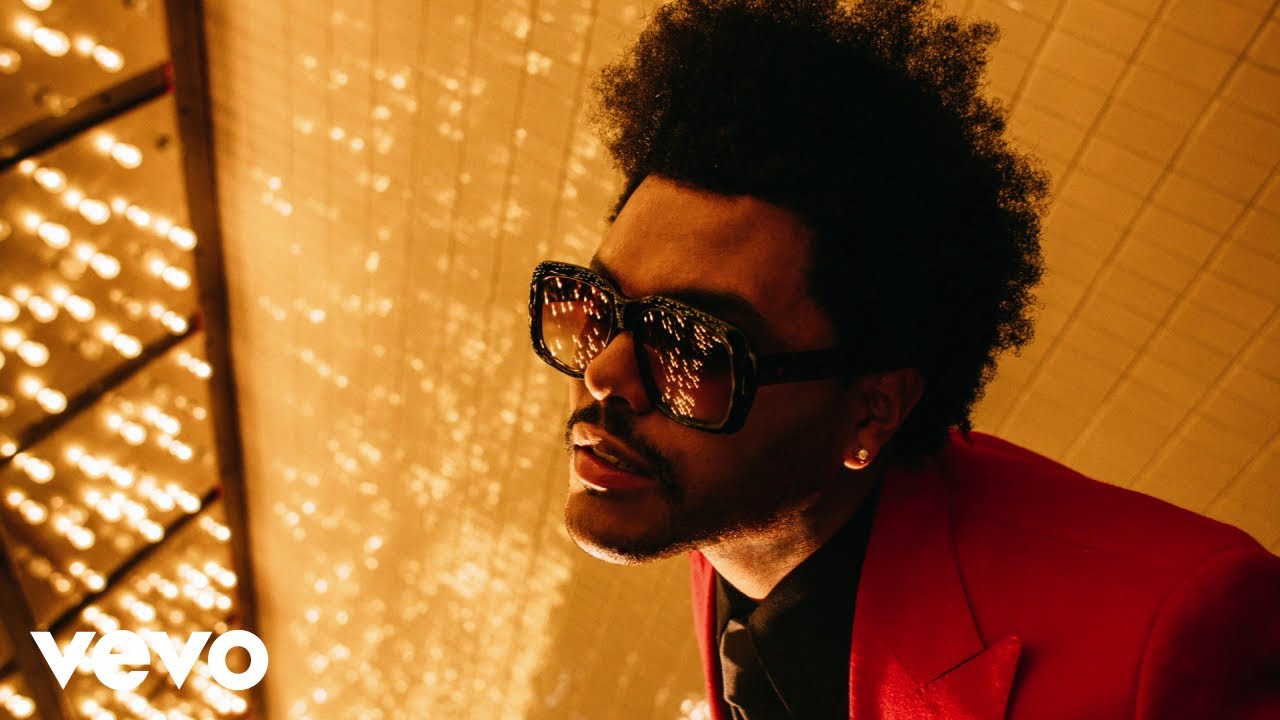
Over time, though, the point of view shifted. Desire was the name of the game early on, but by 2020’s “After Hours,” he’s starting to look back at what it cost him. Even the glittering lights of Las Vegas at night cease to be a stage for carefree partying, more a place he can’t escape after making the same choices over and over. The album’s title track is that shift in miniature—facing up to how he brought love crashing down, and regretting that he did so too late.
By “Dawn FM,” the night even stretches beyond death. The album plays out as a fictional radio show with Jim Carrey as the DJ, guiding the listener through purgatory as death, regret, forgiveness, and redemption unfold in turn. The twist is that the Weeknd sings about such heavy topics over some of the most danceable music he’s ever made. Setting dark lyrics to irresistible melodies and rhythms has been a Weeknd staple since the outset, and the contrasting tastes linger on with “Dawn FM.”
By his next album, “Hurry Up Tomorrow,” desire and addiction get tangled up with fame, the stage, and the pressure to keep the Weeknd persona alive. Nighttime was once when someone could give themselves over to hedonistic pleasure—now it’s about searching for an exit.
Looking back, the Weeknd’s past 15 years are like one long story about a man cycling through the same desires. What’s changed is how he looks at them. At first, he was too busy chasing the next night to stop and think, but over time he’s started looking back at the choices he kept repeating and what they resulted in.
4. Retro: Making ’80s pop feel like today
Even people who never really listen to the Weeknd are likely to recognize the synths on “Blinding Lights.” Released in 2019, the song was built around a sound reminiscent of ’80s synthpop and new wave, with pounding drums, bright synths, and a simple but powerful melody driving the whole track ever forward.
What the song amounted to was too big to chalk up simply to a retro craze. “Blinding Lights” ranked No. 1 on the “Billboard” list of the top Hot 100 songs of the 21st century up to 2024, and in 2025 it became the first song on Spotify to surpass five billion streams. Plenty of songs have borrowed from the ’80s, but few have seen anything close to the same level of success.
So what was so special this time around? The answer lies in how he brought the past back to life. The Weeknd didn’t stop at recreating the ’80s sound, instead working the rhythm and overall tone of the era into a more modern pop framework that includes the same Weeknd vibe listeners have come to know. The singer of “Blinding Lights” speeds through the city in the middle of the night, trying to win back a relationship that’s fallen apart. The song sounds chipper and fast, but there’s still a feeling of isolation and unease underneath.
It’s a combination that spans the entirety of “After Hours.” “Save Your Tears” and “In Your Eyes” wear their ’80s pop hearts on their sleeves, while other songs nod to the gloomy R&B of early Weeknd. The narrative of desire and regret that have been the singer’s bread and butter takes on a different mood altogether once it takes on a retro sound.
On “Dawn FM,” that sound’s tied to an even more clearly fleshed-out vision. Disco, synthpop, and ’80s R&B make up the core of the album, and with the death-and-purgatory concept and warped electronic sound, even the familiar retro feel starts to enter uneasy territory.
The Weeknd’s take on retro isn’t an attempt to faithfully restore a particular era. He takes a bygone era of pop and reworks it around the nights and loneliness he’s been writing about for years. It also helps explain why “Blinding Lights” became such a monster hit. The beat is borrowed from the past, but what sticks with you is less the ’80s than that unmistakable Weeknd edge.

5. Character: Why Abel Tesfaye created the Weeknd
Abel Tesfaye and the Weeknd weren’t always so clearly separated. In the early days, the artist barely showed his face, and with “House Of Balloons,” he wanted the music to be more about the music than his image. As his career took off, the line between the two names gradually became more defined, and in a 2021 interview, Tesfaye explained that Abel is who he becomes when he returns to everyday life, while the Weeknd is the character he steps into when it’s time to work.
Within the context of the songs, the Weeknd is selfish, self-destructive, and at times goes to uncomfortable extremes. Tesfaye uses his personal experiences and emotions as a starting point, but he’s created a character that he keeps at arm’s length from reality. Over time, the persona outgrew the voice in the songs and became the character tying all the albums, music videos, and concerts together.
The story that began with the bloodied character in the red jacket on “After Hours” carried over to “Dawn FM” with images of aging and death, and by the time “Hurry Up Tomorrow” came out, it was hinting at the Weeknd persona’s exit. The album closes by reintroducing the opening of “High For This,” the first track off “House Of Balloons,” and sending the character he’d been playing since 2011 to where it all began.
But the farewell didn’t last long. At a concert in Stockholm this August, Tesfaye said he’d tried to lay the name to rest, but that it wasn’t the right choice for him and that he’d keep going as the Weeknd. After hinting in song that he was going to retire the persona, he made it clear in real life that the Weeknd was here to stay.
It all goes to show that the Weeknd is more than just a stage name. It started out as a way to obscure Abel Tesfaye’s true identity, but it grew into a character that put distance between the real-life artist and the over-the-top character in the songs. From there it became the linchpin that tied his albums, videos, and concerts into a single story, and it’s now a crucial piece of Tesfaye’s musical universe.
As the five sections above show, the Weeknd has taken his career in many different directions. His sound, his character, and the way he expresses himself keep changing, but a few ideas from the earliest days stuck around and took on new forms. Follow the thread of his music, and you’ll no doubt pick up on how the constants and constant change worked together to create it. Maybe that’s why he’s lasted so long. No matter how much he changes, he never forgets where he got his start.
- CORTIS and hip hop2026.09.10
- Three Drake self-portraits2026.06.24