“Jimmy Kimmel Live!,” the popular American late-night talk show that’s been on the air since 2003, has a unique summer tradition where famous actors, comedians, and musicians take turns guest hosting while the show’s namesake is on vacation. Each guest host takes on all of Kimmel’s duties, from the opening monologue to the interviews. This year, there were 24 guest episodes that aired between July 6 and August 27.
Country singer Jelly Roll hosted the last four of those episodes, starting August 24. News of his temporary late-night hosting duties was unexpected, where monologues are a place to crack jokes about news of the day. Jelly Roll’s a famous country singer who’s open about his Christian beliefs and loves everything about rural living, including hunting. To many, he’s long been the very image of the country music lifestyle.
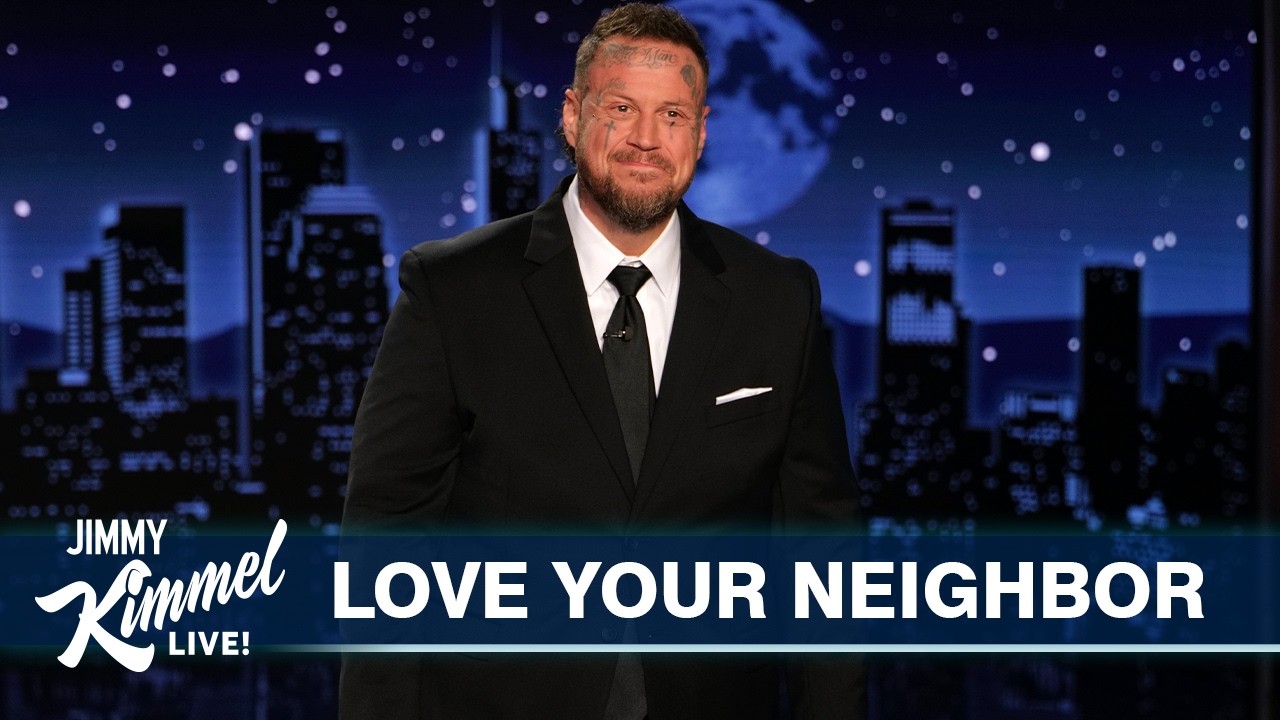
His jokes, though, caught some country fans off guard. It wasn’t really a question of whether he was funny or not—more like, “Isn’t he supposed to be on our side?” He ended up responding during his final episode with an 18-minute monologue where he joked that everyone had him pegged as being on one side up until the week before, and now they saw him as the exact opposite. He also talked about how he’d worked so hard to keep politics out of it that his effort became a stance in itself. People started talking about the monologue, and not just because a musician went to such lengths to explain where he stands politically. The commotion raised a question people had previously stopped asking: What makes someone a “real” country singer?
There’s a long-standing belief about country music that authenticity is based on someone’s background—Southern, country, working class. By extension, ideas of small towns, pickup trucks, and hunting do more than just paint a picture. Instead, they’re seen as markers that separate us from them, with the big city elites naturally forming that other side. And that’s why Jelly Roll’s week as host got so much attention. People looked at his background and lifestyle and figured they already knew where he stood.
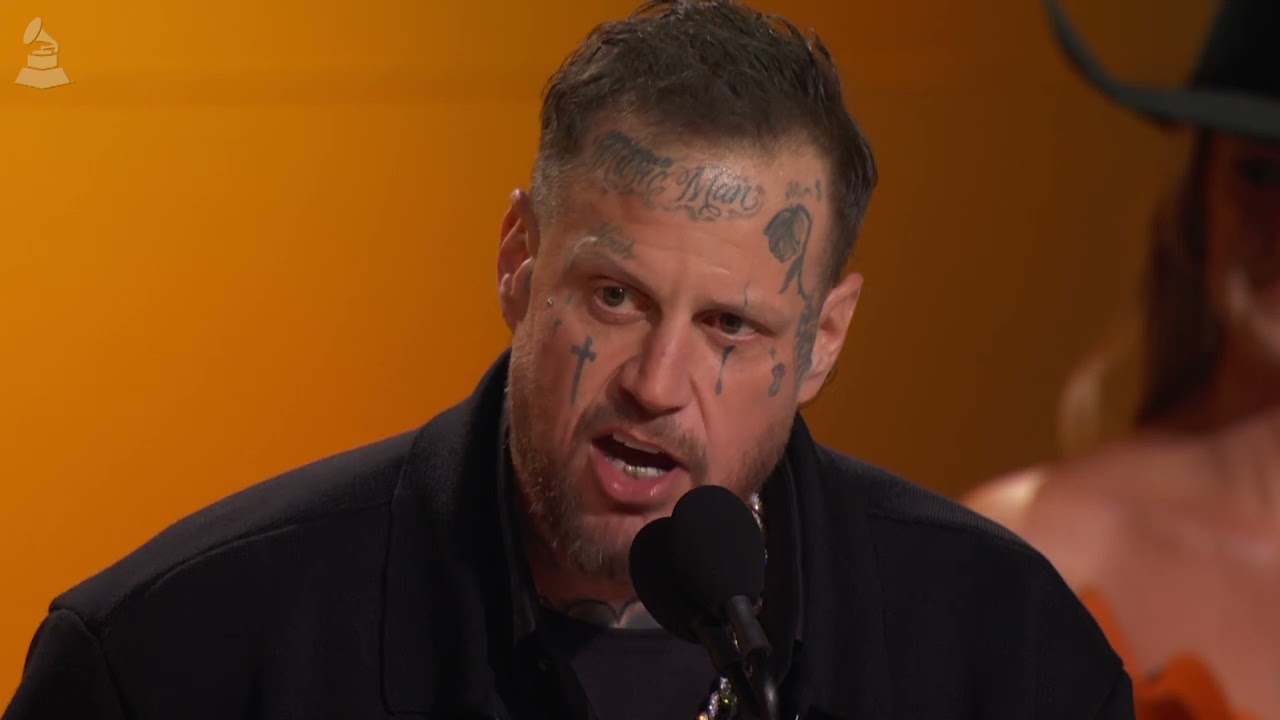
But a look back at Jelly Roll’s career shows he both fits the classic country image and defies it at the same time. Since his teens, he’s cycled through jail, addiction, and recovery, all of which informs his music. Again and again, his songs emphasize the idea of second chances. Last December, the governor of Tennessee pardoned him, and in February, he won the Grammy for Best Contemporary Country Album. Notably, he started out as a rapper before making the move to country. That an outsider to the genre came to be embraced as one of its own shows that authenticity comes from your track record and integrity more than from where you started out.
Clearly, a connection to country culture isn’t something automatically assigned at birth. Sociologist Richard A. Peterson argued that the music industry commercialized country music by taking the hillbilly cowboy image and smoothing the edges. In other words, authenticity isn’t inherent to a particular song or singer but worked out between artist and audience. Jelly Roll steps outside the most widely accepted measures of authenticity, moving them from cultural signals to lived experience. And he isn’t alone. A similar case came up within the past few years.

In August 2023, a simple video of a then-little-known singer from the US state of Virginia singing in the woods with his guitar started circulating online—Oliver Anthony singing his song “Rich Men North of Richmond.” A former factory worker, he crooned about how worn down he was from low pay, long hours, and life-altering decisions made in faraway cities. The song debuted at No. 1 on the “Billboard” Hot 100, making him the first person to ever debut at No. 1 with his very first appearance on the chart. But here’s where it gets interesting. As the song took off, different sides tried to claim it as speaking for them and used it to support their own agendas, so Anthony posted a video pushing back against both. He said the song was aimed at politicians on both sides, not at any one party. As for his own politics, he said he was “pretty dead center.”
People listened to Anthony for more than where he came from or what he did for work. The weariness in the song sounded like it came straight from lived experience, and that authenticity was in danger of being undercut the second someone tried to plant their side’s flag in it. Anthony’s rejection of that was less a political choice than an attempt to keep the song where he always wanted it. Three years later, Jelly Roll found himself in a similar spot.
The most nuanced reaction to Jelly Roll’s final monologue came from a fellow country artist. John Rich, whose general views are known—and known to be different from Jelly Roll’s—said the guest host spoke his mind even knowing he could lose fans, and that that at least shows he’s exactly who he says he is. It wasn’t agreement but recognition. Oliver Anthony and Jelly Roll both share in common an image tied to rural America, but that’s not why they come across as authentic. It’s the specific experiences they sing about in their songs—about hard labor and hardship, about their fall and rise. Both were also wary of their songs and words becoming co-opted.
These days, actions, words, and music all spread through the algorithm in a matter of minutes. We get the meatiest clips before ever getting the full context, and people ask which side a singer is on before they’ve heard so much as a note of their music. In that kind of world, a simple split like rural versus urban becomes an easy tool to get a quick read. But it’s an inadequate one when it comes to properly understanding Anthony’s video in the woods or Jelly Roll’s jokes.
Dolly Parton, who passed away the week Jelly Roll hosted “Jimmy Kimmel Live!,” proved that two different perspectives can in fact find common ground. During his tribute on the show, Jelly Roll said Parton might have even been “the last American that everyone liked.” When she was onstage, Parton paraded a flamboyant, over-the-top persona, yet she was seen as candid and trustworthy, in part because she was always first to crack a joke. In short, authenticity isn’t part of a birth certificate or a fashion statement. Authenticity is about speaking to your personal experience and refusing to let others control your narrative for the sake of their own agenda. In the end, country may come to win over more fans not just from putting out good songs but also by rethinking where authenticity ultimately comes from.
- How ADÉLA became ‘PRIMA’2026.10.06
- Charli xcx’s three ways of seeing art2026.08.18