SEVENTEEN’s seventh subunit, JEONGHAN X JOSHUA, has officially released “DREAMSCAPE.” For JOSHUA, who debuted 11 years ago, it’s his first subunit, and for JEONGHAN, it’s his first time promoting an album since completing his military service. JEONGHAN notes the album as the first music the two have put out since turning 30, and says he wanted to show a more mature side to his artistry. The album opens up with some house music. From there, it moves between disco- and funk-inspired dance rock, bass-drenched house, R&B soul, alternative rock, and electro house before closing with straight rock. The credits feature a mix of Korean and Japanese producers with English-speaking songwriters.

To hear the artists tell it, the album unravels a personal narrative with a vivid backstory, but what the seven songs seem to leave with the listener is closer to a lingering nuance than a literal story. There are different styles scattered all throughout the tracklist, but listening to the whole album feels like sitting still in one room. Simply put, “DREAMSCAPE” doesn’t feel like it’s telling a story—more like it’s there to linger on a single mood from start to finish. If you take that to be intentional, it could be a hint as to where a group as massive as SEVENTEEN is headed next.
Let’s look at the pair’s interview with “Variety” for a minute. Going into the collaboration, JEONGHAN “wanted to showcase” a “stronger side,” while JOSHUA “wanted to show a subtle, mature version of” themselves. They ultimately “met in the middle and came out with the song ‘12 o’clock,’ which is right in the middle between strong and subtle.” While they were discussing the lead single there, they could just as easily have been describing what fundamentally drives the album as a whole.

Keeping that “middle” point grounded is one important name: BUMZU, who makes his mark on nearly every track, and has been shaping SEVENTEEN’s sound alongside WOOZI ever since the group’s debut song, “Adore U.” Filling in for WOOZI, who’s currently serving in the military, is a collaborative cast from around the world. You can really hear the difference when comparing the new album alongside the WOOZI- and BUMZU-driven JEONGHAN X WONWOO release “THIS MAN.” Having a list of songwriters contributing to each track is pretty standard for pop music in today’s world, but what really stands out is how all those different inputs pass through one pair of hands and come out sharing the same nuances.
JEONGHAN and JOSHUA’s control isn’t authorial, where they’d take on everything by themselves, but rather curatorial, with the concept and the producer as the central axis. That doesn’t mean the two had less of a hand in it. JEONGHAN said that when they started on the album, he “was amazed by how clear an idea” JOSHUA had “about the musical direction.” While JEONGHAN was serving in the military, JOSHUA was writing songs on his own and sending them over to the label. In fact, he wrote his own solo song and helped write the lyrics to the album’s closer, and JEONGHAN wrote the lyrics to his solo song, too. The album is an answer to what SEVENTEEN’s music sounds like outside the WOOZI approach.
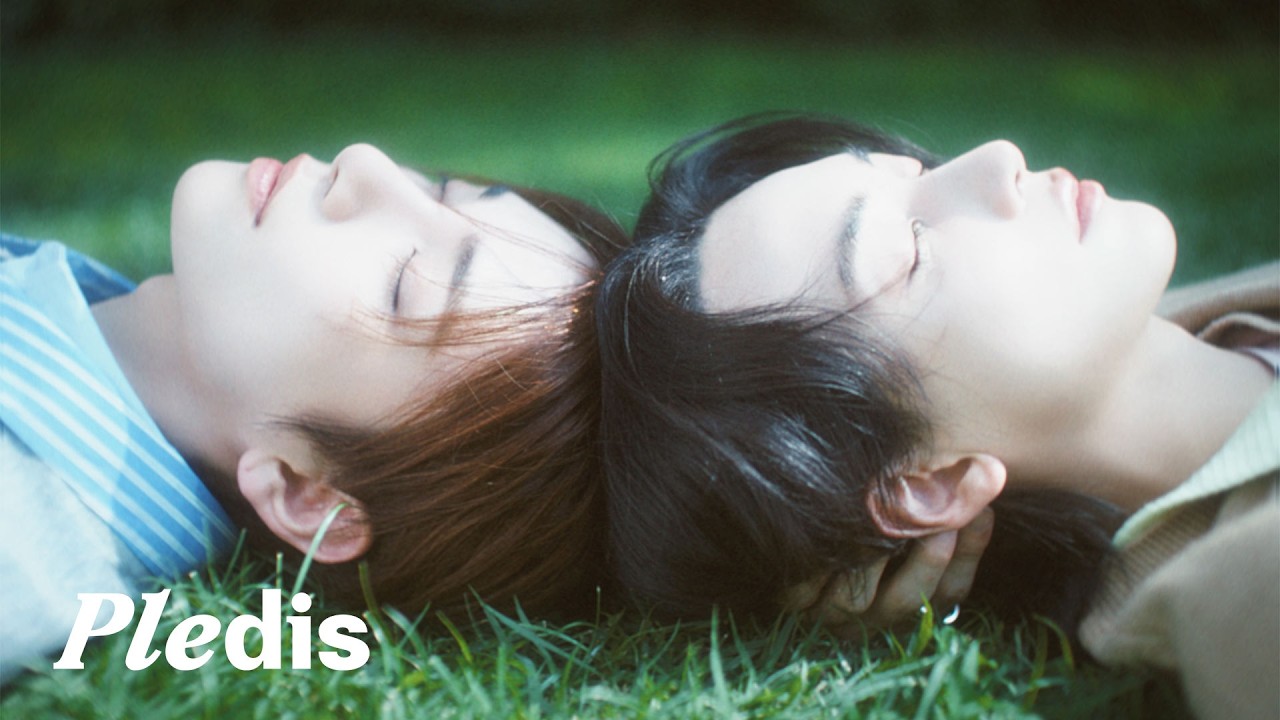
To explain itself, the album invokes the ouroboros, the snake eating its own tail. The first song, “Like you,” and the last, “No looking back,” mirror each other, both sharing the imagery of rushing toward somewhere. By having the end circle back to the beginning, the album isn’t structurally built on a typical story arc moving toward an ending. Instead, it’s repetition—a vibe. “12 o’clock” never reveals whether the singer has his eyes on a significant other, an ambition, or a dream. What’s there isn’t a straightforward plot, only a feeling.
Similarly, JEONGHAN expressed a desire for listeners to treat the seven songs as one story and to go looking for hidden metaphors. Here, story refers more to cohesiveness than plot. The genre shifts from bass house to soul between “Outside” and “One plus one,” but there’s continuity in the vocal style and sense of space. JEONGHAN said he wanted to try for a fuller sound than usual, while JOSHUA said he did his homework to land on something different and more mature. The two SEVENTEEN members’ equally silky smooth voices each add their own weight to form the foundation of the album.
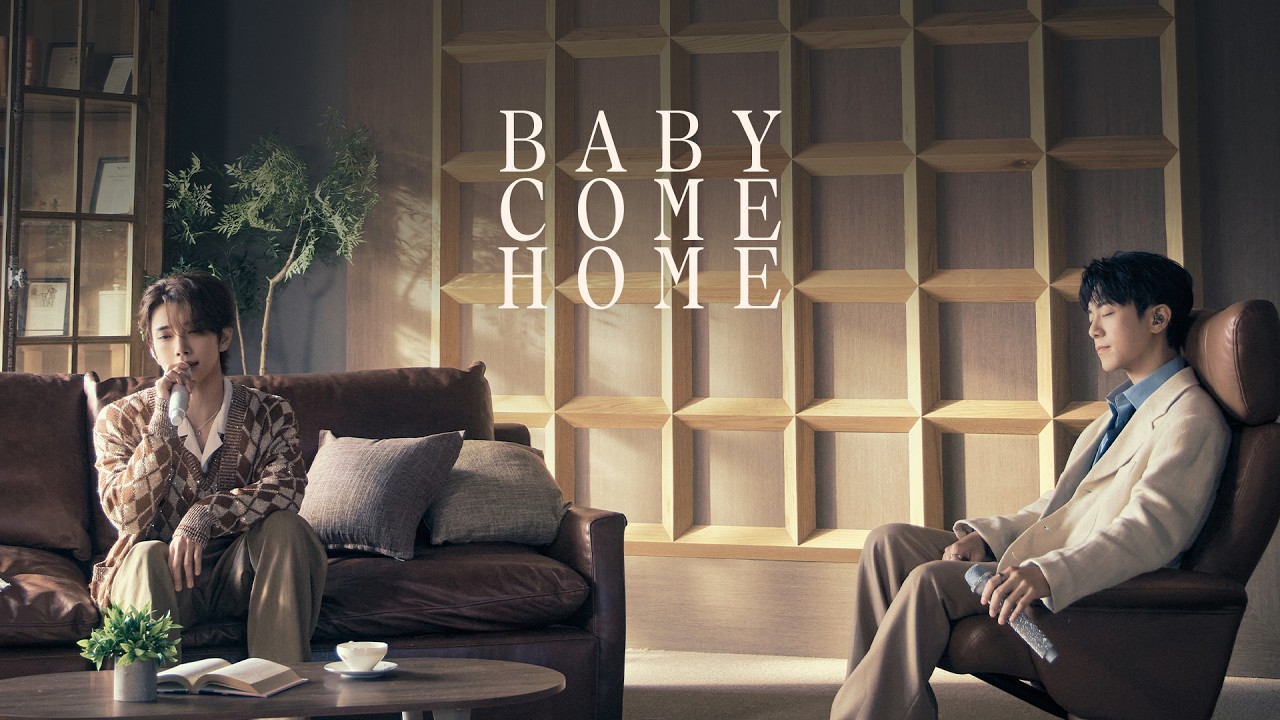
The way the two met in the middle shows up in the events leading up to the album, too. A month before the release, JOSHUA put out “Baby Come Home.” Co-written by JOSHUA, it’s an acoustic guitar song with bass and drums backing it up. That band sound grows in scale on the album with “Not personal” and “No looking back,” with the writing credit and guitar-driven arrangement carrying over as well. The restrained, mature direction JOSHUA talked about doesn’t mean going soft.
The path that led JEONGHAN to “DREAMSCAPE” can be tracked back to January 2025, when he provided the vocals for “Better Half,” a ballad written and performed by Omoinotake, a Japanese piano-driven trio. This past August, he covered “Bansanka” by Japanese singer-songwriter tuki., and he wrote the lyrics to his “DREAMSCAPE” solo track, “Coloring,” over electro house beats made by Japanese producer ESME MORI with BUMZU. JEONGHAN’s connection to J-pop keeps growing, his role having gone from covers and re-interpretation to writing. In other words, JEONGHAN and JOSHUA’s recent interests were a preview of what was to come for the new subunit. They don’t work together so well because they’re pursuing the same path—their music is the result of two people starting from different points and meeting in the middle.
So what does the subunit mean for SEVENTEEN as a whole? A week after the album came out, SEUNGKWAN and DINO enlisted in the military, meaning everyone in the group who’s required to serve is now either serving or has finished. This past year alone, we’ve seen subunit projects from DK X SEUNGKWAN, V8, and JEONGHAN X JOSHUA one after the other, and it wouldn’t be surprising if we saw more pairings in the near future. In that sense, “DREAMSCAPE” feels like a new model to follow. Subunits have usually committed to a specific narrative or genre, but this album covers a handful of styles with a consistent mood, an approach that opens the door to a wider range of subunit combinations. The strategy allows each of them to show off their styles as individual creators more fully than a solo track allows, and without the pressure of the full group, a subunit can try out things that are serious and experimental. SEVENTEEN’s massive lineup is really starting to look like a blessing.