In the summer of 2023, Tyla set off a moment onstage and on TikTok when she lifted a water bottle and poured it down her back. It was not just another dance challenge that put a rookie artist on the map. Riding a TikTok wave with billions of views, “Water” climbed to No. 7 on the Billboard Hot 100. For a South African solo artist, it was the first Hot 100 entry since Hugh Masekela in 1968, ending a 55-year gap. This was not a flash of luck. At the 2024 Grammy Awards, Tyla became the first-ever winner of the newly created Grammy Award for Best African Music Performance. Born in 2002, she also became the youngest African-born Grammy winner in the award’s history. That same year at the Met Gala, she wore The Balmain Sand Dress and embodied the theme “The Garden of Time,” quickly cementing her as a style icon. Tyla became a name you cannot leave off a summer playlist. Her debut album “Tyla” and the “WWP (We Wanna Party)” EP that followed earned both strong reviews and real success. At the 2026 Grammys, she is nominated once again, this time with “Push 2 Start,” for Best American Music Performance. Along the way, Tyla has also become the face of a new sound she calls “Popiano.”
Popiano, a blend of global pop and amapiano, is not just a marketing label. It is a sonic statement that makes Tyla’s style unmistakably her own. Amapiano is a dance music genre that began in South Africa in the 2010s. That slower house pulse, warmed by jazz and soul, is not unique to one country or scene. South African DJs added African rhythms, hip-hop elements, the sound of a traditional wooden percussion instrument called the log drum, keyboard melodies, and gradual builds that often stretch beyond six or seven minutes, creating a pure vibe.
From the beginning, Tyla wanted to twist that formula. In an NME interview, she said: “When I first started making Amapiano music, originally there was no song structure: the songs were like five minutes and just vibes. But I really wanted to have a structure — a verse, chorus, pre-chorus — like pop music, so I shortened the songs, kept the log drum and just gave it structure.” That intention paid off with Popiano. It holds onto everything at once: a three-minute runtime, a pop framework with verse, chorus, and bridge, 2000s R&B melody and vocal style, and a tempo in the 115-120 range, slower than pop dance but faster than amapiano. The result feels familiar to pop listeners, while still keeping the sensual, hypnotic groove that gives the regional genre its pull.
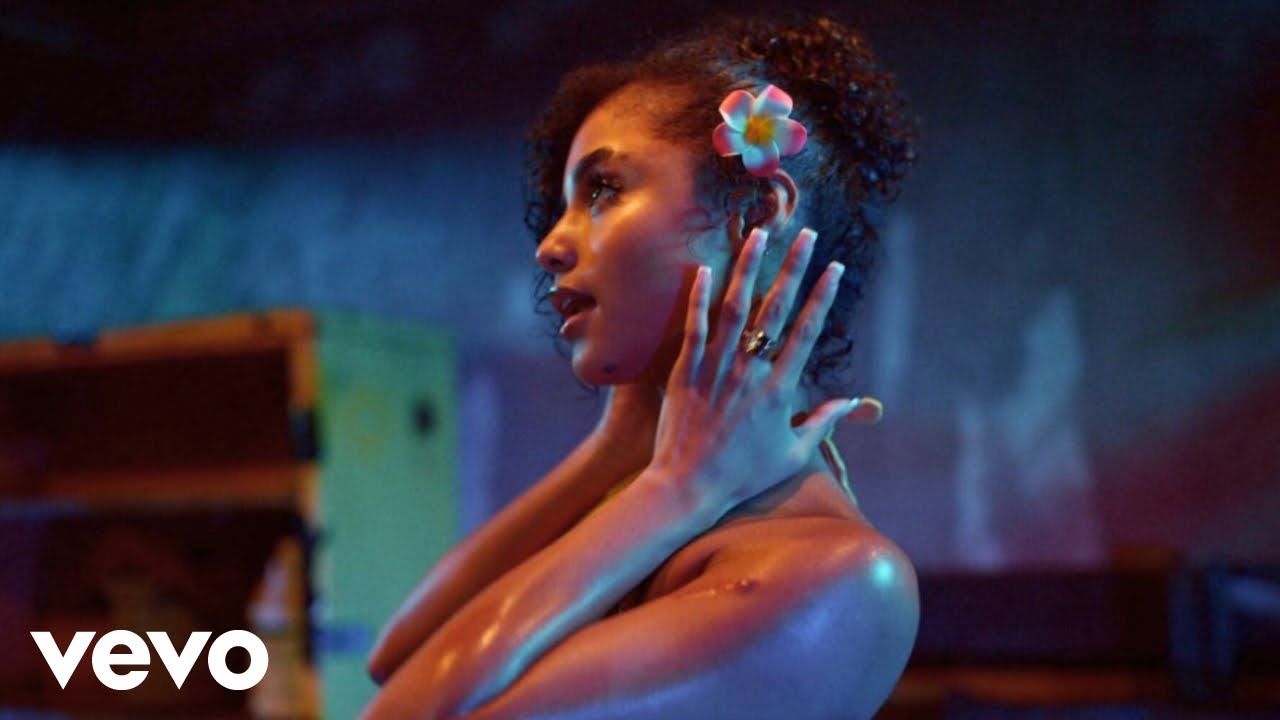
The TikTok challenge completes that loop, turning a signature move into a visual hook synced to the track. “Water” includes a break designed for the Bacardi dance style. Bacardi is a South African dance known for intense waist rotations, stomping footwork, and flexible hip isolation. The pre-chorus line “Make me sweat, make me hotter” is not only a musical lift, but it also cues a visual peak. Even here, though, Tyla makes the same kind of adjustment she makes in Popiano. She points out that “If you’re dancing and sweating, you’re doing too much,” and insists her aesthetic is rooted in coolness. Tyla smooths Bacardi’s sharp edges, making it easier to follow, and gives it a touch of pop star polish. By working with South African dancers, she keeps Bacardi’s authenticity. Still, by simplifying the moves, she translates it into a mainstream performance, not “an unfamiliar African dance,” but “the latest dance challenge.”
African pop styles have indeed been rising over the last few years. But Tyla’s uniqueness takes a different route from the broader globalization story of Afrobeats, led by Nigerian stars like Burna Boy and Wizkid. She offers South Africa as another option, with its own mood, visuals, and distinct cultural identity. If K-pop, Latin music, and Afrobeats have been pushing back against the sidelined label “world music,” as music from outside the English-speaking mainstream, Tyla pulled off that shift on her own. In her own way, she is a South African girl dreaming of Rihanna and Britney Spears.
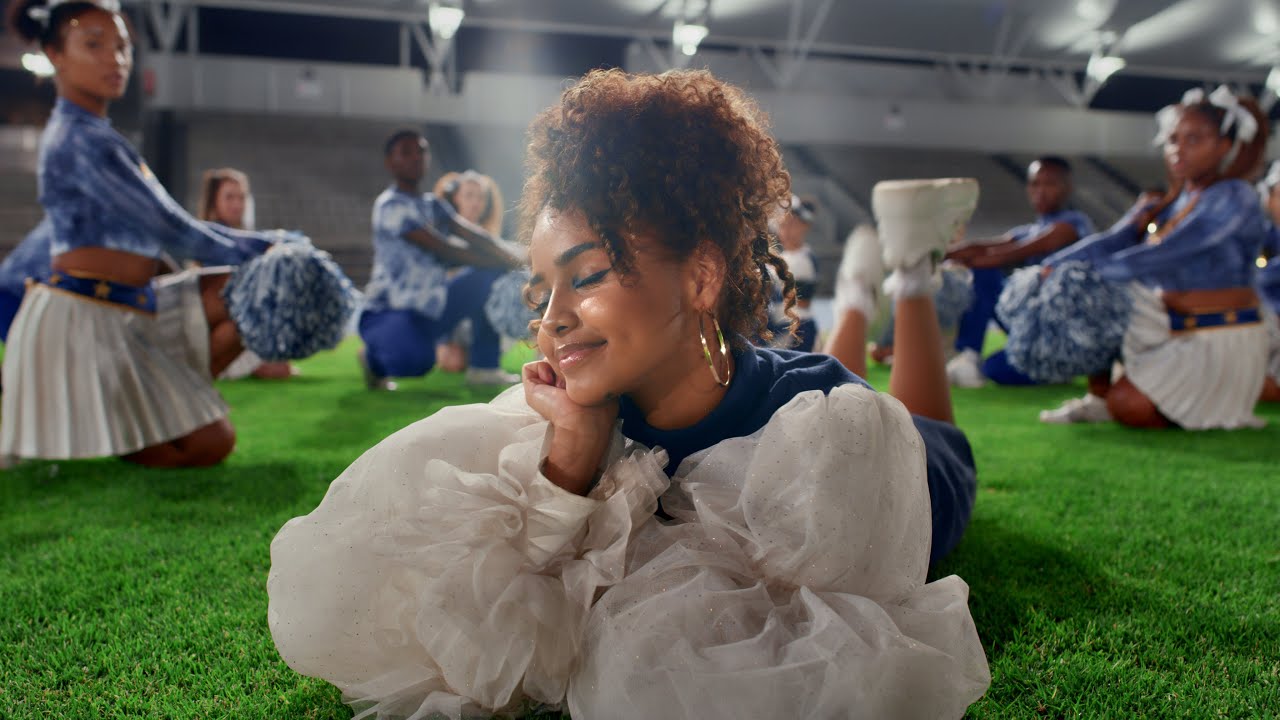
So how did Tyla manage to put her values on the table in such a complete form from the start? There was no magic. We have to rewind to 2019. Her debut single, “Getting Late,” released at the end of that year, still leans closer to amapiano. But during the pandemic, she made a self-produced music video with shockingly high production value, and that changed everything. With that song and video, Tyla laid out a blueprint for what she stood for. She was not an uncut talent waiting to be refined; she already had a fully formed sonic identity and visual vocabulary that fused global pop with South Africa’s distinct color. That one track led to a deal with Epic Records and gave her two years to turn the Popiano idea into something concrete. After chasing a balance that felt neither generic nor overly niche, we arrived at Tyla.
It is not hard to imagine Tyla’s approach working in K-pop. Beyond the simple fact that K-pop moves fast with trends, Popiano’s method matches K-pop strategy: a mix of distinctive regional flavor and high universality. And it is not just K-pop. In the wider music market, you can trace a whole matrix forming around Tyla. She stretches the genre outward with remixes featuring Travis Scott and Marshmello, and within the broader Afropop space, she brings in Wizkid and Tems to make songs together.
In other words, Tyla did more than make hits and sell records. She placed her own landmark on the global pop map. The log drum has found a spot in producers’ toolkits around the world. She proved that artists chasing pop stardom outside the English-speaking mainstream do not have to abandon local roots to succeed. The world can call it pop, but everyone is dancing to South African beats. In an ELLE interview last October, she summed it up as self-introduction: “This year was me introducing myself.”
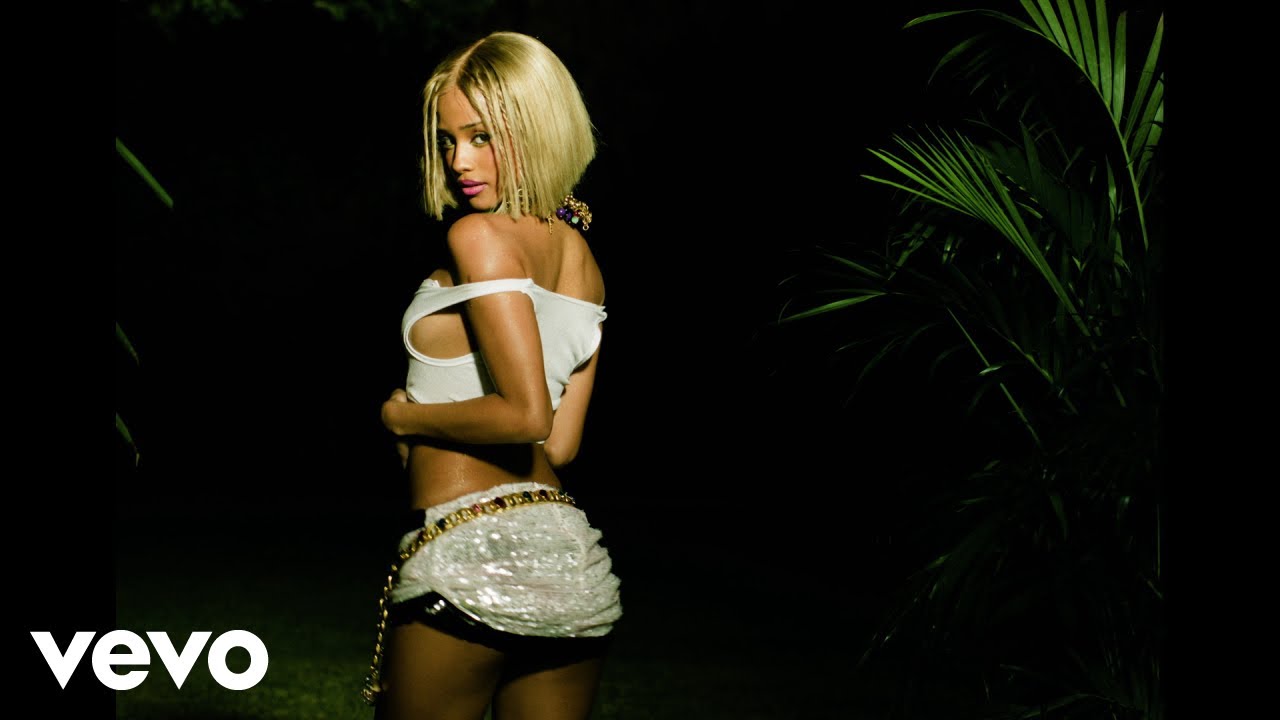
Maybe it is because the introduction is done. After closing out the TYLA era and entering 2025, Tyla spent the entire year releasing singles in a run that nearly adds up to an album. The moves got bolder and more detailed, and the results felt more luxurious. The summer EP “WWP (We Wanna Party)” lived up to its name, aiming straight for clubs and festivals with immediate dance music. Her recent single “CHANEL” borrows modern hip hop bravado, then shows how Popiano can expand on a tight beat and hypnotic hook.
In the “CHANEL” music video, Tyla dips into a museum-level Chanel archive spanning the 1990s through the 2000s. After her headline-making Met Gala debut, the visual clash of dancing in a Bacardi-flavored style while wearing vintage Chanel reflects her present: high-end luxury meets the strong rhythm of Johannesburg. People seem ready to buy into the pop star arc she has been chasing since childhood. “CHANEL” has become her biggest hit since “Water,” currently sitting at No. 36 on the Billboard Global 200 dated December 13. Tyla is still moving forward. If everything she wants comes true, Popiano will not be a passing trend but a real subgenre, and Tyla will become a pop star of our era.