The past few years have been a roller coaster ride for A$AP Rocky. Instead of news about new music, updates on court dates arrived first, and photos of him showing up at court spread faster than tour posters. From the fight and detention in Sweden, to legal battles over a firearm-related assault charge (both cases ultimately ending in acquittals), along with high-profile fashion collaborations, his relationship with Rihanna, and stepping into a new role as a father—it was a period far too turbulent and complex to be summed up as the career of a single rap star.
For quite some time, people were more curious about where Rocky stood in life than about the music he was making. Emerging at last from the gap—and amid all the noise—“Don’t Be Dumb” finally arrives. It’s his first release in eight years following “Testing.” The title itself is strangely blunt. There is no elaborate explanation or grand slogan—just one short sentence, “Don’t Be dumb.” It sounds like a dry note for himself after years of chaos and excessive scrutiny.
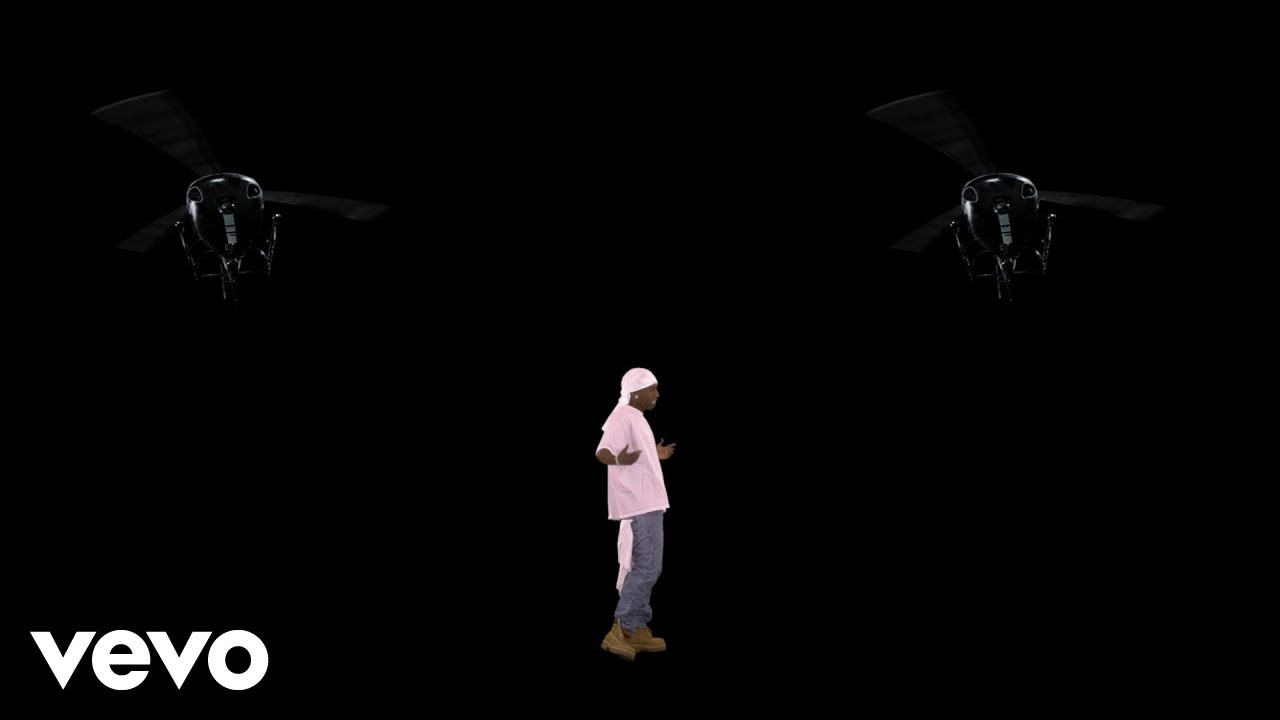
From his debut, Rocky was far from a traditional confessional rapper. Instead of dwelling on his wounds, he excelled at designing mood and image. For example, he put on the laid-back sound of Houston over the street culture of Harlem, and mixed high-fashion with street fashion into a coherent aesthetic. His music was always close to abstract scenes. That talent and his distinct personality have earned him a singular place in the hip-hop scene.
A rapper who proves his roots while building a style; an artist who maintains a cool detachment instead of loudly performing. Some called it superficial, but others saw it as a stance that accurately embodied how contemporary culture works. Today’s rap stars are consumed through image as much as narrative. Rocky seems to understand this reality earlier than almost anyone else.
When Rocky makes music, he is rarely bound by regional identity or trends. If something feels cool, he pulls it in and repurposes it as material for the album—much like picking out clothes. He boldly layers clothes that shouldn’t go together, but then turns them into his own style. In doing so, he assembles sounds, matches textures and shapes the overall atmosphere, coming off as both a rap stylist and skilled architect.
On “Don’t Be Dumb,” Rocky doesn’t blindly copy trendy sounds. Rather than aggressive, chart-filling 808s, generic rap singing, or overstuffed hooks, he focused on a psychedelic mood and bold genre experiments. Sound doesn’t strike but instead bleeds slowly, and in contrast to the dramatic events of his recent life, the music—aside from some tracks—is surprisingly calm and dry. Both the production and the lyrics share Rocky’s unique “attitude-centered aesthetics,” but each approaches differently, distributing aggression, cynicism, experimentation, confession, and play at distinct temperatures.

“PUNK ROCKY,” which drew attention for its music video featuring actress Winona Ryder and composer Danny Elfman, is the album’s most out-of-place track. Here, Rocky pushes himself outside hip-hop rules. Guitar riffs take center stage instead of a beat, and the drums are finished with a texture close to a rock band’s. There is rapping, but across vocals, performance, and overall sound, it leans fully into psychedelic rock. Rocky has long shown his affection for rock culture, so the track feels like a direct reflection of his personal taste.
On the other hand, “ROBBERY,” featuring Doechii, is where jazz and rap meet in a sensual exchange. Jazz rap is a well-established subgenre of hip-hop, but this track takes a different path from familiar genre conventions. Rather than sampling jazz or layering it onto a hip-hop beat, Rocky dives headlong into jazz itself—piano chords, a bass line, and drums—and raps within it. While the melody descends and rises naturally and the rhythm flexes freely, Rocky slides in with a laid-back flow, and Doechii cuts sharply through the spaces in between. In a song that metaphorically unpacks love, desire, and a relationship of taking and controlling, “robbery” comes close to the looting of emotions.
Two tracks that highlight the album’s slowed pace and emotional room —"WHISKEY (RELEASE ME)” and “PLAYA”— are also worth noting. They echo Rocky’s early style, known for its dreamy mood and cloud-rap textures, which makes them especially welcome. In “WHISKEY (RELEASE ME),” soft synth pads that spread in a hazy way and loose rhythms show an undeniable love for alcohol. In “PLAYA,” which samples jazz guitarist Lee Ritenour’s “Is It You?” (1981), a beat that blends 1980s funk elements with trap allows Rocky to flaunt a glamorous life and his bravado.
Meanwhile, “STOLE YA FLOW” stands out as the album’s most controversial track. It continues the theme introduced in his 2024 single “HIGHJACK (Right Back),” which sparked speculation that Rocky was taking aim at Drake. While Rocky once again remains elusive about explicitly naming his target, many fans and media outlets are convinced it’s a diss track. The sound itself is overtly threatening: a low, rumbling 808 bass, harshly distorted synths, and relentlessly driving drums. Over it all, Rocky reprimands a former friend turned adversary—“You stole my flow.”
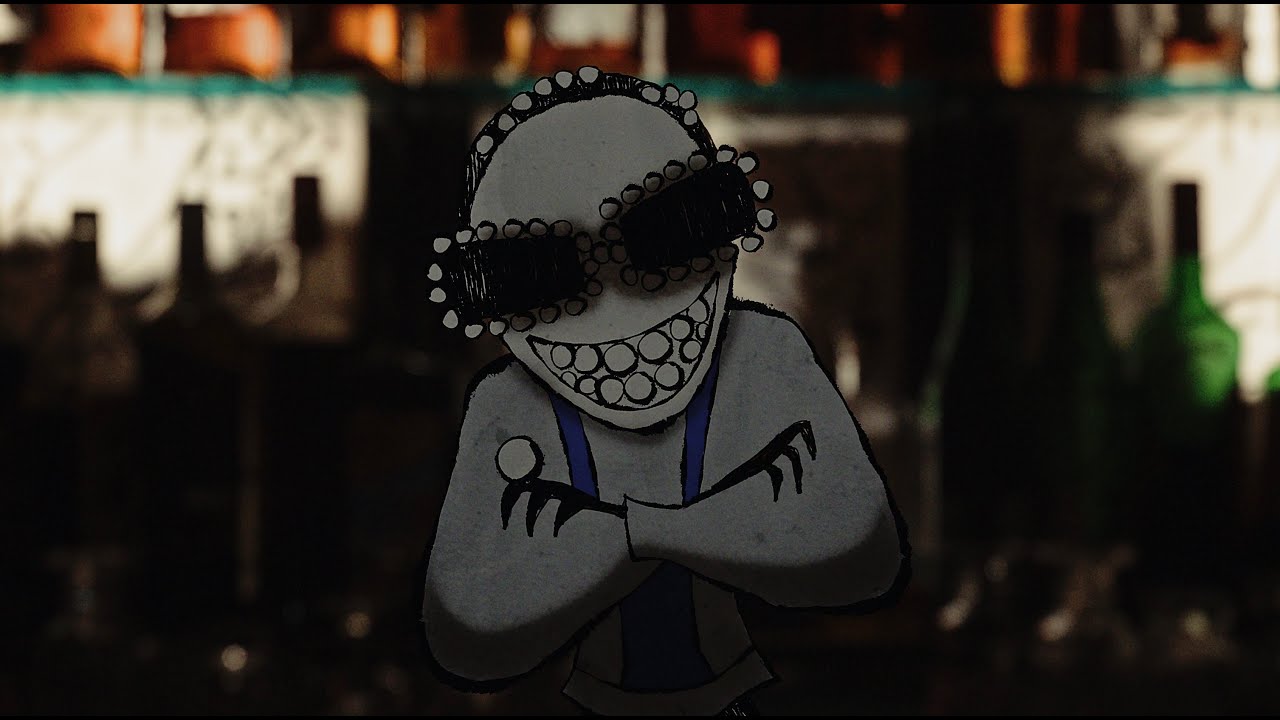
As you move through the album’s many moods and free-spirited experiments, it becomes increasingly clear that “Don’t Be Dumb” resists being explained solely within the framework of a hip-hop record. Its imagery and sound evoke something closer to a bizarre fantasy film. At the center of this strange sensibility are two unexpected names: Tim Burton and Danny Elfman.
A film director who has long made images that feel as if they stand on the border between reality and nightmare, and a composer who has breathed a strange life into that world. Rocky brings the contradictory, twisted fairy-tale world of Tim Burton—whom he has long admired—into the cover artwork, and invites Danny Elfman, Burton’s longtime cinematic companion and musical persona, into the compositions. He combines it all with his own cinematic creativity to create the alien and unstable world of “Don’t Be Dumb.” Inside that world, hip-hop is no longer a genre—it becomes a soundtrack.
Today’s hip-hop is consumed faster and faster. The streaming environment demands short and immediate impact, and many songs are designed to be algorithm-friendly. As similar tempos, hooks, and emotional contours repeat, mainstream hip-hop begins to be produced like a formula. Failure decreases—but individuality fades along with them.
Rocky doesn’t confront this trend head-on. Instead, he steps aside. Rather than chasing explosive impact, he sustains mood; rather than explaining, he leaves space. Atmosphere outweighs empathy, and attitude takes precedence over narrative. For some listeners, this may register as a lack of cohesion. Yet that very quality is what makes “Don’t Be Dumb” difficult to dismiss. Instead of a grand comeback declaration, a single attitude—“Don’t Be dumb”— captures who A$AP Rocky is right now more accurately than any elaborate statement could.