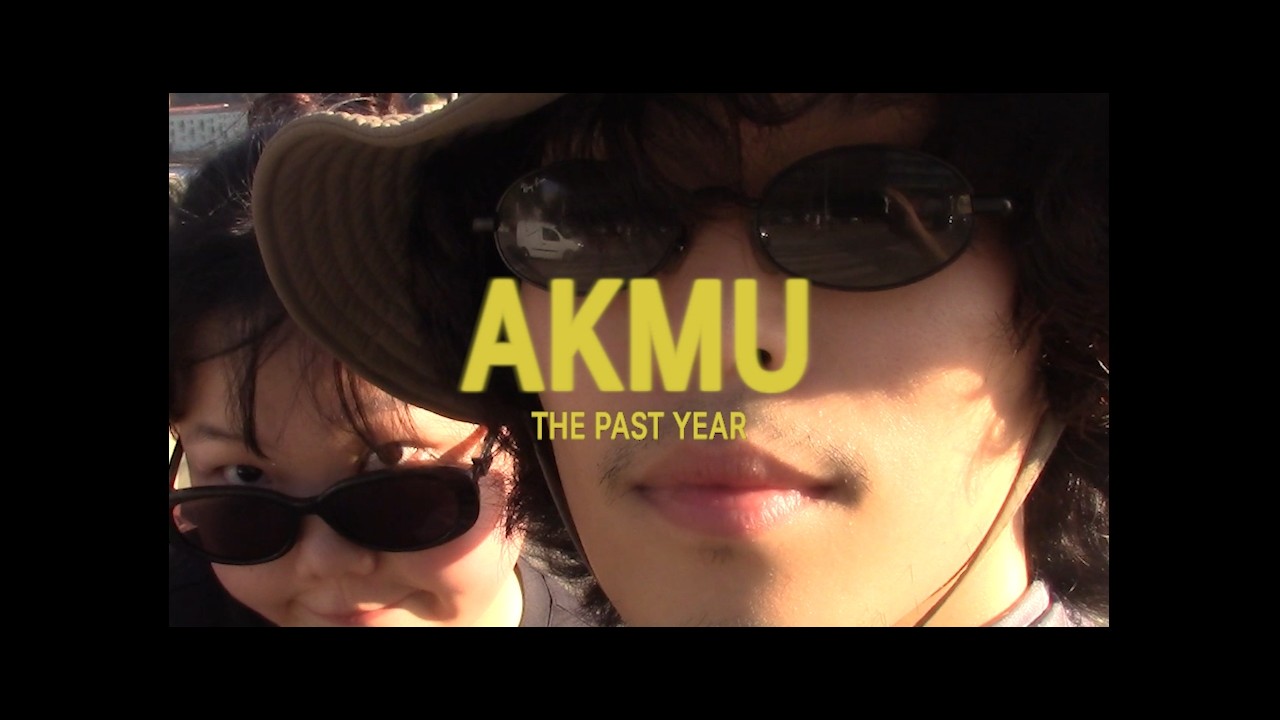
Seven years ago, they each set off on their own voyage, swimming out into the vast ocean with the ease of a “Fish In the Water” or with the sheer size of a “Whale.” LEE CHANHYUK in particular charted his own course with two solo albums, “ERROR” and “EROS.” He set aside who he was as one half of AKMU—someone who had always been so relatable when he sang—and wrote his way into something more philosophical. He shouted out that he “can’t die like this” (“Panorama”) and sang of “the eschatology of love” (“Endangered Love”). The common thread joining the two albums was death—sparked by his own mortality, or by someone else’s.
Meanwhile, LEE SUHYUN was sinking deeper and deeper. Like a fish who lost the ability to float, she lost all sense of direction and went under. She had hit a slump. In a recent appearance on the tvN series “You Quiz on the Block,” she looked back on a long stretch of time she spent shut up in her room without ever seeing sunlight. What had started as a creative block brought her to a place of self-doubt. It was one dark, endless night. “Can I do this?” became “Can I go on?”
LEE CHANHYUK’s always built his music around his own personal thoughts, feelings, and experiences. While AKMU’s musical identity naturally flows from him, for his younger sister, LEE SUHYUN, there’s always been an unavoidable delay where she comes to understand her brother’s songs by living through the same things herself, just sometime later. But AKMU’s fourth studio album, “FLOWERING,” is a message written for LEE SUHYUN directly. More specifically, it’s her brother’s answer to the question she’s been carrying for so long—“Can I go on?” Yes, he says. You have to. He takes any talk of death, tucks it away in a drawer, and pulls out the puzzle pieces of life one by one, putting it together with his sibling.
There are things you’ll never see on TV
How are you supposed to go on living? To someone who’s already been swallowed up by the darkness, telling them they can go on—or even that they have to—rings hollow. The world demands so much of us—improve, achieve. More, better. People on TV are out there shaping incredible lives for themselves, and everyone on social media manages to accomplish something every single day. The word “live” becomes so overburdened that it feels heavier and heavier over time. To someone lying in bed with the curtains drawn, turned away from all that burden, hearing that they have to go on doesn’t solve anything. If anything, it just feels like one more thing on the to-do list.
But LEE CHANHYUK says life isn’t some grand thing where you have to constantly be achieving something. What really makes up life, he says, are the small things—savoring a great dinner, taking in the smell of grass on your coat (“Paid with Bugs”), sweating under the scorching sun, letting your mind go blank now and then (“Sunshine Bless You”). And woven into the lyrics are deeper truths—that you have to take the bad with the good to grow stronger (“Joy, Sorrow, A Beautiful Heart”), that nobody is entirely bad (“The Right Person”), that we all come into this world more or less the same (“Spring Colors”). He has LEE SUHYUN sing these words herself, hearing them as well with her own ears, as if she’s talking herself through things.
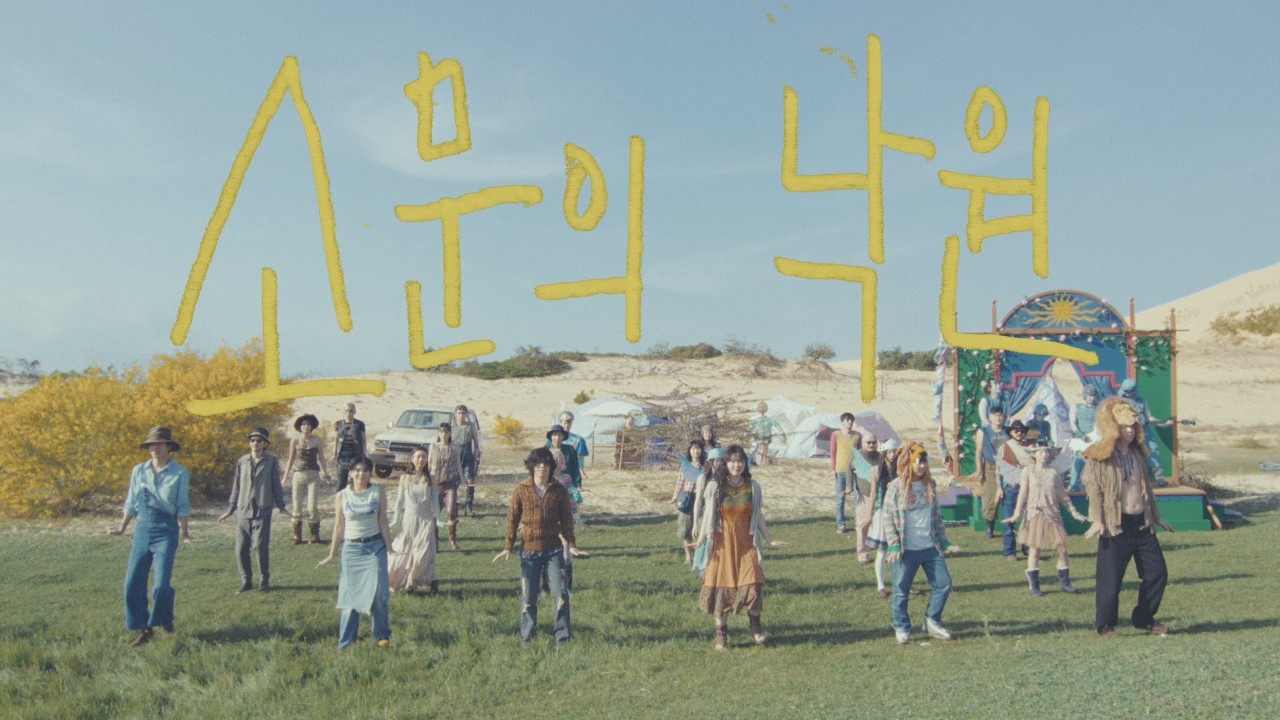
Nowhere are these truths more vivid than in “Paradise of Rumors.” The paradise everyone’s heard so much about turns out not to be some unbelievably fantastic place of endless happiness that hands you everything on a silver platter. Rather, it’s somewhere you can feed your weary soul some hearty soup and meat, where miles of trekking puts blisters on your feet but getting out of the city gives you a new kind of understanding. Like the Camino de Santiago, whether you reach your destination first or last, everyone ends up with the same label: pilgrim. It doesn’t matter what kind of speed the world demands—we each walk through life at our own pace. The faint scent of spring flowers drifting past, a good dinner, a song you hear in passing—these small things are enough to make a life feel full. This message takes on an extra layer of truth knowing that AKMU did actually walk the famous pilgrimage route. And with that, the words of comfort that LEE CHANHYUK wrote and LEE SUHYUN sings reach out toward the listener.
Music blooming in the meadow
AKMU isn’t really the kind of duo you can pin down to a single genre. The image that first stuck with the public was two kids singing with an acoustic guitar, but what came after was something else entirely. They’ve pulled off dance tracks like “How People Move,” sung jazzy songs like “RE-BYE,” gone tropical house with “DINOSAUR,” and done the aching ballad “How can I love the heartbreak, you're the one I love.” If you had to define them, you could say they’re musicians who build around a message first and then add whichever genre can best convey that message.
For “FLOWERING,” AKMU chose to draw from American roots music, the spectrum of genres that gave birth to popular music as we know it today. “Paradise of Rumors,” with its languid, easy vibe, and “Paid with Bugs,” which brings in a touch of Western swing for a playful melody, both lean toward country. The upbeat, relatively high-tempo “Spring Colors” and “Sunshine Bless You” call to mind skiffle, an early precursor to rock ’n’ roll. “Tent,” built entirely around guitar and piano, is pure folk, while “The Right Person” and “Stains” carry the spirit of rockabilly with their driving tempos. The lyrical piano ballad “Joy, Sorrow, A Beautiful Heart” and the big band “Graceful Breakfast” sit a little further from American roots music proper, but they share the same unprocessed quality that roots music is built on, and that’s what pulls the whole album together.
Born from the barren soil of early 20th-century America, these genres were never the product of a glamorous industry. Blues, country, folk, and the rest of roots music spoke for ordinary people with lyrics about the brief respite after a hard day’s work, painful losses, and the dogged spirit to go on, despite everything. Fleshed out not with expensive studio equipment but with an acoustic guitar, a rough-hewn voice, and the vernacular of the everyday, the music from this time is a musical record of an era that found more value in the act of living itself than in any grand narrative.
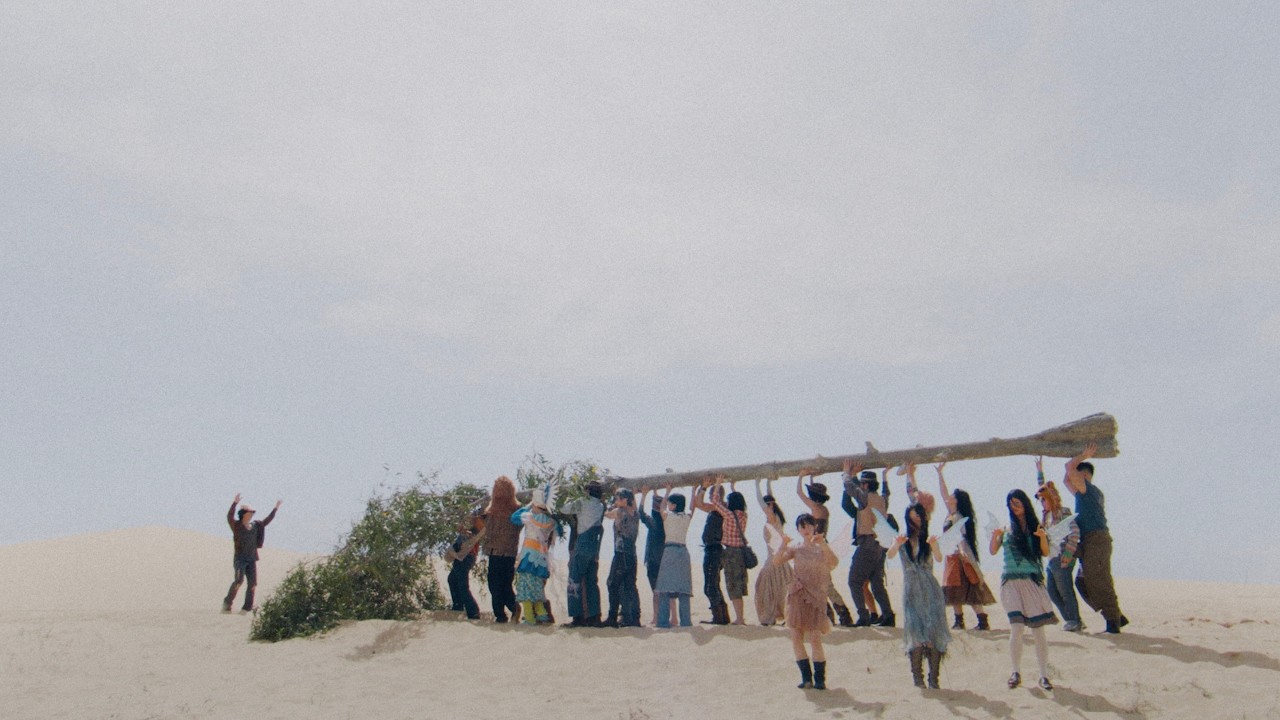
This coarse foundation gives LEE CHANHYUK’s words of comfort something to stand on. At the same time, by foregrounding music this unadorned, it’s as if he’s reaching down into the depths where LEE SUHYUN had sunk and is lifting her up into an open meadow. When music returns to its roots, it comes to tell us that life isn’t something you fill with endless achievements, but with the sensations of each passing day—the breeze against your skin, sweat rolling down under the blazing sun, the scent of flowers with each changing season, a hearty meal at the table, chewed and swallowed. Taking care of yourself. Life’s more about the sensations you experience than the tasks you set yourself to. And as long as the roots are still there, the flowers will always bloom again. All they need is a little sunlight, water, and soil. “FLOWERING” sits with that self-evident natural order, chewing it over slowly, and in doing so offers solace to LEE SUHYUN, and to all of us listening.