Back in February at the Berlinale, Charli xcx was asked whether Brat Summer was over. She said that was for the world to decide, but for her, it had already come to an end. Her new album, “Music, Fashion, Film,” released five months later, sheds the club sound. No more lime green, no memes. But the legacy of “BRAT” hasn’t disappeared. So what’s left behind in its wake? “BRAT” wasn’t new in injecting the rave sound into a pop album—the language of rave is already there inside pop music—but Charli’s album proved the usual formula could be inverted. In other words, it’s a landmark moment because it took the confessional nature of pop and wove it into rave music.
Rave was, at least to begin with, anonymous music. It had no stage, set instead against the face-erasing darkness of five in the morning, when all sense of self starts getting lost in the haze. It wasn’t a vessel for songs admiring someone else’s talent, questioning whether to have a child, or grieving for a deceased friend. “BRAT,” though, showed how one person’s autobiography could work its way through the glistening sweat and deep, chest-rattling bass.
With that now definitively demonstrated, the landscape shifted. Artists who got their start in the underground club sound could now wield far more influence without ever crossing over into pop. “BRAT” didn’t reshape the sound to better suit a mainstream audience—it got those listeners to accept the music for what it is instead. It hardly seems like a coincidence that K-pop leaned harder into dance music around the same time, nor the fact that the shift landed with audiences without friction. Post-“BRAT” isn’t some trendy sound but a descriptor for broadening horizons. Here are five artists who have pioneered their own paths in this new era.
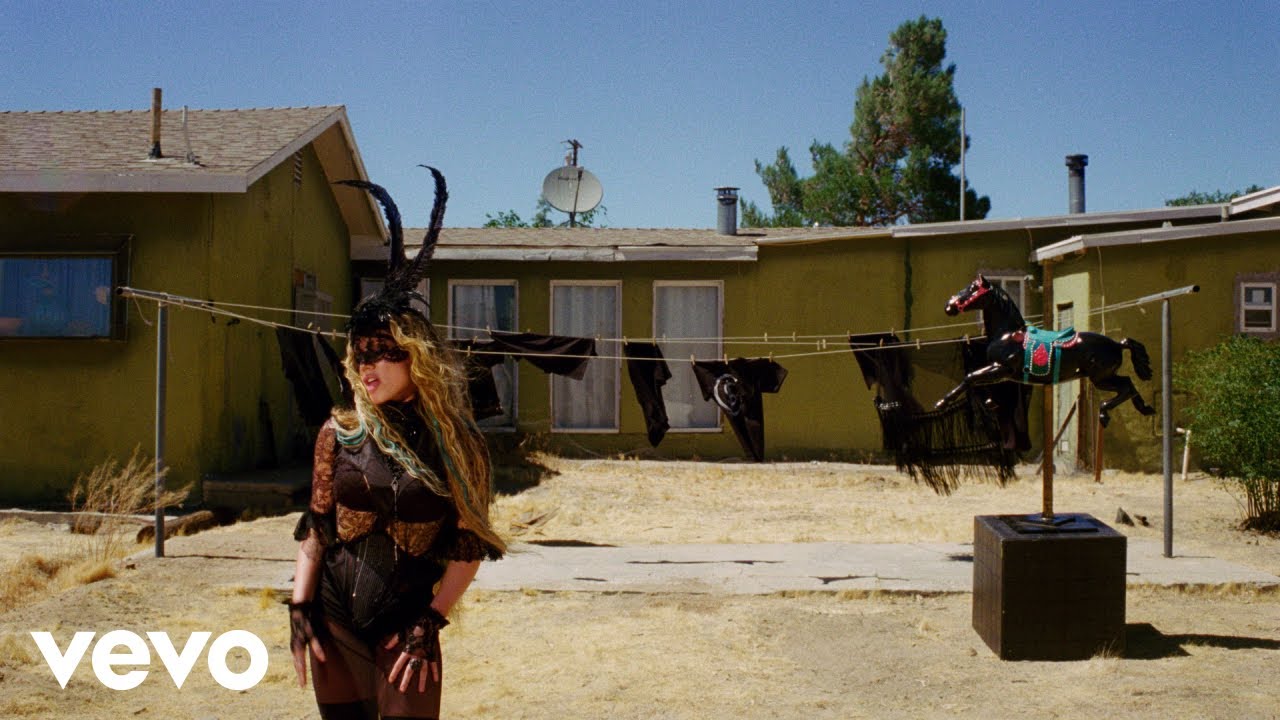
Slayyyter
First finding her footing on SoundCloud in the late 2010s, Slayyyter’s been challenging mainstream tastes and propriety with a fusion of heavily compressed Internet-pop electronica, Y2K celebrity culture, and an exaggerated sexual persona. Back then, her excess was generally seen as a gag that only worked online, or a cult-favorite character who stopped short of knocking on the mainstream’s door. What makes her 2026 album “WOR$T GIRL IN AMERICA” different isn’t any change to who she is but the environment in which she’s being received.
Where her previous album, “STARFUCKER,” imitated Hollywood’s glossy appearance, “WOR$T GIRL” deliberately strips that shine away and returns to the artist’s Missouri childhood. Slayyyter brings back the blog-era dance rock she used to load onto her iPod as a teenager. Take the crushed low end, chant-like vocals, and jagged anti-polish of “CRANK” and “CANNIBALISM!” The noise doesn’t cast her personality in shadow—it shines a light to bring it into sharper focus.
This isn’t an aggressive album at its core. There’s the unrequited love on “UNKNOWN LOVERZ,” memories of being left behind by her father on “GAS STATION,” and self-destructive behavior beneath a cheery facade on “BRITTANY MURPHY.” Slayyyter takes her bad-girl persona and fuses it with feelings of shame and a fear of being abandoned. “BRAT” proved that confessional lyrics don’t have to get lost even when sung to intense rave music, and “WOR$T GIRL” takes things a step further. Instead of softening her sound to let the emotions through, Slayyyter makes things rougher, cruder, and louder.
“WOR$T GIRL IN AMERICA” debuted at No. 22 on the Billboard 200 and went to No. 1 on the Top Dance Albums chart. Right after the album’s release, Slayyyter made her Coachella debut. Post-“BRAT” doesn’t mean everyone’s started sounding like Charli xcx. It means an artist long considered too raw, too Internet-bred, and too rooted in queer culture to go mainstream can now take to a bigger stage without filing down her rough edges. The goalposts have been moved.
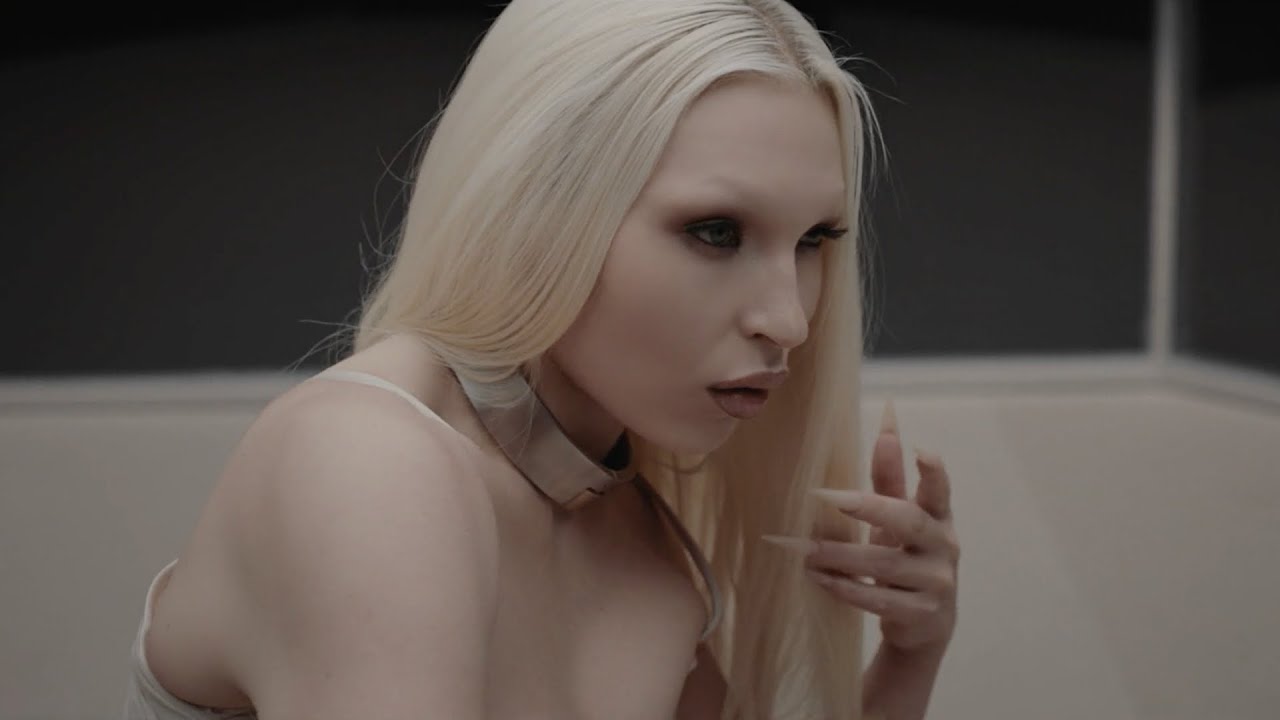
Cobrah
For Cobrah, Stockholm’s underground clubs weren’t a place to lose herself—they were a stage on which to reinvent herself. Her voice rang out, a woman demanding submission or explaining exactly how to satisfy her, all to cold, industrial techno beats. She didn’t seek permission for pleasure—she used it as a physical force to command the room and the crowd inside.
But on her 2026 studio debut, “Torn,” cracks have started to form in the armored persona she’s built up. As the title suggests, the album is torn between strength and vulnerability, between the real person and the onstage persona. Where an earlier iteration of Cobrah invented an extreme character and hid behind it, on “Torn,” she draws from her real life and works those feelings into that character. She hasn’t given up the over-the-top movement or her loud, maximalist electronic sound, but on the titular track and others, a sense of dread creeps in—one of doubt and uncertainty over not knowing what others are really feeling. Cobrah wrote the album herself and oversaw the creative direction from top to bottom. The result isn’t a private life spiraling out of control but vulnerability laid out on her own terms.
Cobrah doesn’t remove the armor she forged in the club, just lets the person underneath show through. Sweat, sexual tension, and relentless bass back up her tough persona while doubling as the outlet through which anxiety and hurt exit the body. This shift tracks with her expanding career, too. Since “Torn,” she’s toured North America, played Coachella, and collaborated with big names in pop like Demi Lovato. A sound once specific to queer club culture has made its way into the mainstream undiluted.
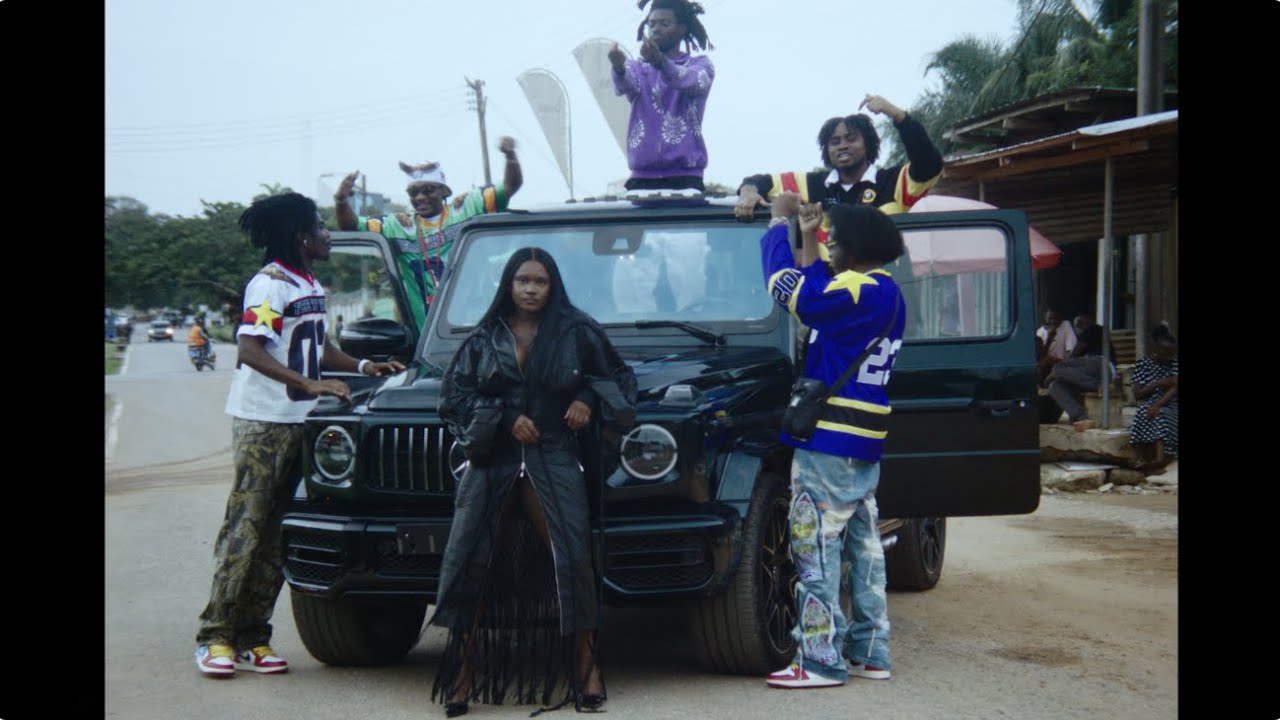
Amaarae
Amaarae’s third album, “BLACK STAR,” came out in August 2025, and connects European and American club music with regional dance styles from Ghana and Brazil. Rave is no longer a single style being exported from Berlin and London to the rest of the world. Instead, it’s a network of Black diasporic music that’s been shaped again and again while crossing the Atlantic. The title “BLACK STAR,” then, seems to represent three things at once: the black star on Ghana’s flag, the global pop star Amaarae wants to become, and the historical thread of Black culture that created dance music in the first place.
Amaarae blends samples and pop lineage from different origins—the Ghanaian rhythms and Caribbean melodies on “S.M.O.,” the choppy, stuttering bass on “Starkilla,” the dreamy house of “B2B.” She doesn’t smooth these into one polished sound built for the global market, though, with the hooks instead being born out of the collisions between the variety of sources.
Amaarae has always moved freely between Afropop, alternative R&B, and rock, but this time she centers her album around the club, suggesting power and freedom, spectacle and loneliness, all at once. Behind the glamour of “Fineshyt” is a longing for real connection, and the repetitive, almost chant-like vocals on “B2B” that suddenly take over from the guitar and strings represent the emptiness that can follow ecstasy. For Amaarae, a rave doesn’t squash identity—it’s where identity, both of place and the body, comes through strongest.
There’s more to this in the end than just the music. Last year, Amaarae became the first Ghanaian artist to perform solo at Coachella. “BLACK STAR” remains one of the year’s most important albums. The post-“BRAT” era isn’t some abstract label with defined boundaries in the music market. Amaarae showed, in no uncertain terms, which continents and cities are bringing the heat—and how fast that heat can grab the whole world’s attention.
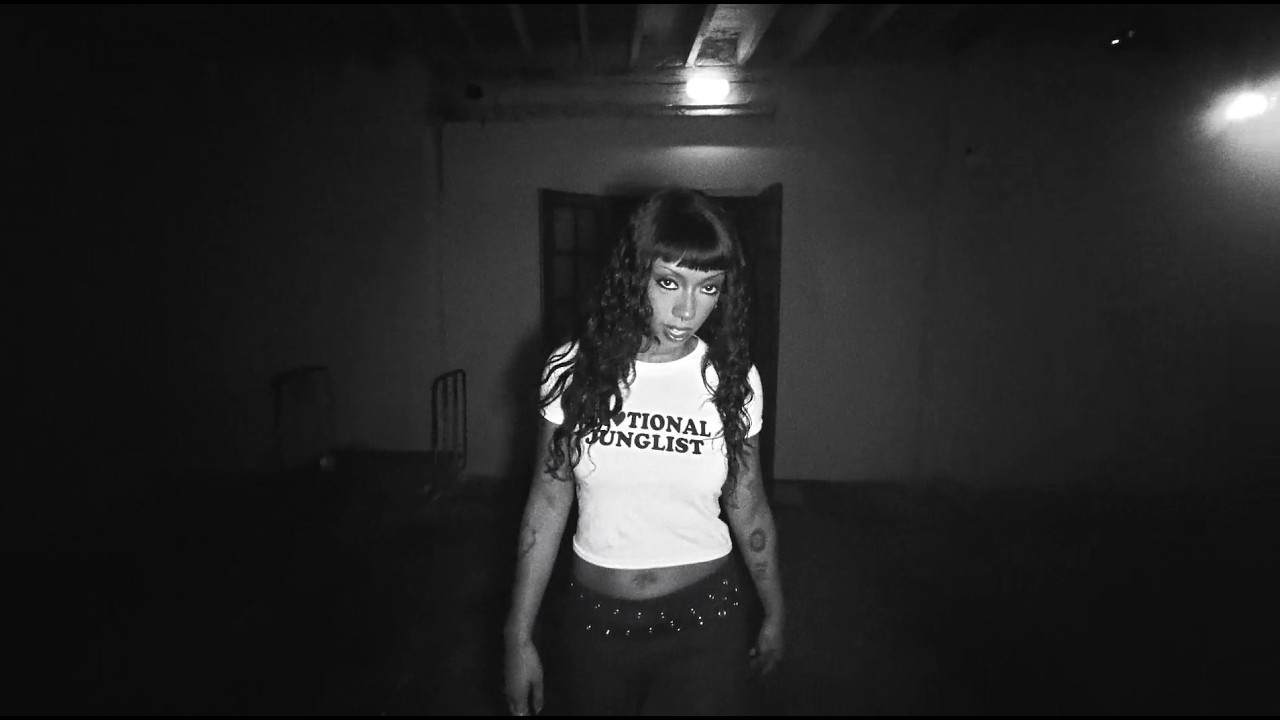
Nia Archives
Of the five artists here, Nia Archives started out as the most traditional DJ and producer, earning herself a reputation for leading the jungle revival. At the same time, she could write melodies, play guitar, and sing songs drawing on her own life experiences. Her debut album, 2024’s “Silence Is Loud,” already showcased the potential in combining those strengths, but in a post-“BRAT” context, her second album, “Emotional Junglist,” released just this July, is even more significant.
The title turns an image she’s had for years into a statement. The album’s a whirlwind of love, betrayal, and breakups. Together, the heartbreak of “Almost Always,” the post-breakup exhaustion on “Lovers Grief,” and the angry catharsis filling “Boys In Blue” complete a relationship arc, each with varying intensity to their rhythms. “Emotional Junglist” always has jungle’s characteristic breakbeats at its core, but Nia Archives slows some tracks down and layers in 2000s British indie rock guitar, some R&B melodies, and some real instruments for good measure. For her, being an “emotional junglist” doesn’t mean moving through happiness and sadness one at a time, it means being able to withstand the full force of both hitting you at once.
“Emotional Junglist” shifts post-“BRAT” away from being about any one pop star’s success toward a genre finding a new way to thrive. Nia Archives fuses hard-hitting beats and emotional turbulence, the pure energy of the crowd, and the intimacy of singer-songwriter songs in a way that makes it feel like they always belonged together. The deeper she dives into the genre, the wider the range of emotion—and audiences—it can engage with.
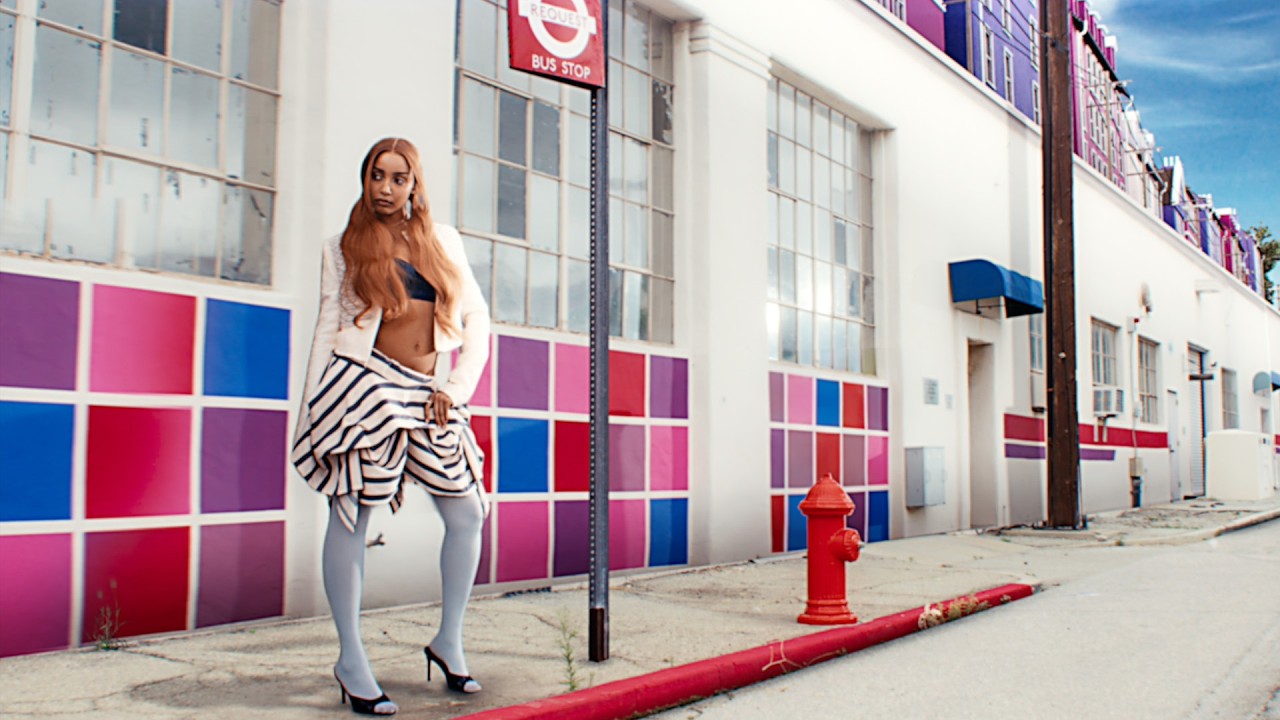
PinkPantheress
PinkPantheress had already combined the speed of jungle, drum and bass, and UK garage with the small, quiet voice of bedroom pop on “to hell with it” back in 2021. In 2023, “Boy’s a liar Pt. 2” climbed all the way to No. 3 on the Billboard Hot 100. Her approach of layering feelings of isolation and uncertainty in relationships over club beats showed the potential there for wider appeal before “BRAT” ever did, meaning PinkPantheress might not seem to fall neatly under post-“BRAT” in the literal sense.
But “post” here isn’t really about a sequence of influences. It really describes an environment where, after “BRAT,” club music no longer needs to be understood as existing on the margins of pop music. On her 2025 mixtape “Fancy That,” PinkPantheress didn’t simply repeat the formula that had already worked for her. Where the breakneck breakbeats of her early work served as a backdrop to shyness and loneliness, her later mixtape took her vocals and her desire a step further. She doesn’t hide behind the beat on songs like “Illegal,” which describes an illicit deal like a secret rendezvous, or with the playful temptation of “Tonight.”
Her allusions to earlier eras of music are more deliberate this time, too. Samples of 1990s and 2000s British dance music from artists like Underworld, Basement Jaxx, and Groove Armada flirt with the sounds of more outgoing pop. At the same time, PinkPantheress isn’t running through the history of an earlier generation’s rave and big beat scene to show off what kind of music she likes—she morphs it into personal tableaus of getting a text and mismatched interests. She folds that massive musical history into a personal diary of nine songs running just over 20 minutes.
As the math suggests, none of the songs even reach three minutes long. Rather than dragging things out, she keeps only the essential hook, the overall feeling, and the outlines of a sample before moving to the next image. It’s not unlike how you might think about the sound and feeling of a song you heard in a club but never even know the name. Rave creates the space for a quiet voice to find confidence. And commercial success followed. “Fancy That” reached No. 3 on the UK Official Albums Chart and No. 72 on the Billboard 200, and was shortlisted for the 2025 Mercury Prize. The following year, PinkPantheress became the first woman, and the youngest artist ever, to win Producer of the Year at the BRIT Awards.
- Olivia Rodrigo outdoes herself2026.07.08
- Zara Larsson’s 2016 Moment, Again2026.04.02