The biggest story in the Korean box office in 2025 has been the outsized success of animation. Even as the theatrical market as a whole continues to struggle, animated films have proven to be a rare constant, drawing audiences with surprising reliability. This year even saw the emergence of “KPop Demon Hunters,” an animated title that achieved global popularity not in theaters, but through a streaming platform. And yet, among all animated releases in 2025, it was “Zootopia 2” that delivered the most decisive triumph. It surpassed 7 million admissions in 2025, making it the highest-grossing release of the year in Korea, and drew 8 million viewers as of January 4, 2026. What, then, accounts for such overwhelming popularity?
At the heart of “Zootopia 2” lies the enduring appeal of officers Judy Hopps and Nick Wilde, who once again set out to peel back the dark forces looming over the seemingly idyllic city and reshape it into a place more genuinely fit to live in. What is it about their partnership that continues to resonate so powerfully with audiences around the globe?
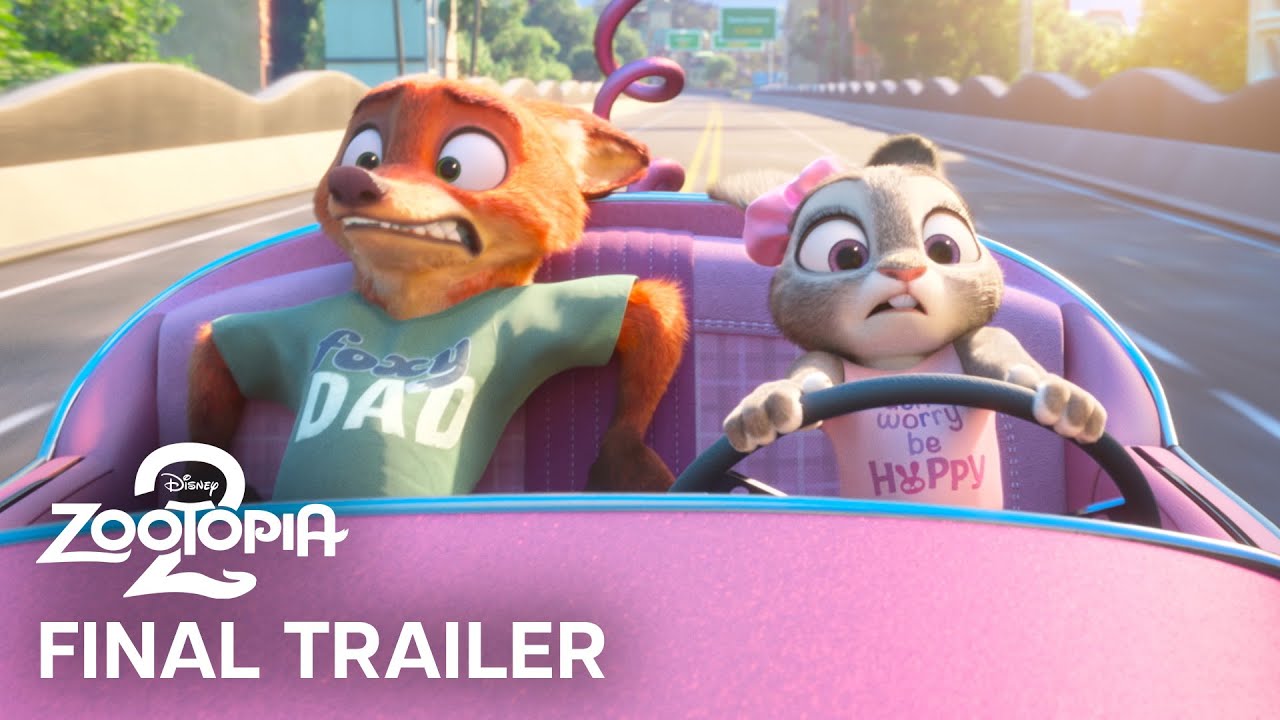
Judy, a small-town dreamer
The protagonist of “Zootopia,” Judy Hopps, is one of the smallest mammals in the world: a rabbit. Her parents make their living as carrot farmers in Bunnyburrow, a rabbit-populated town of eighty million residents. Unlike her parents, who hoped Judy would accept the limits of her birth and pursue a stable, uneventful life, she was different from an early age. She refused to embrace her father’s philosophy that avoiding risk is the surest way to avoid failure. Instead, Judy dreams of becoming a police officer—someone who helps build a better world—and leaves home to pursue that ambition.
Released in 2016, “Zootopia” opens with Judy’s departure from her hometown as she sets out for the metropolis of Zootopia, determined to become the police officer she dreamed of being as a child. Optimistic, energetic, and meticulously prepared, Judy lives by a personal creed—“Anyone can be anything!”—and through relentless effort becomes the first rabbit ever to earn a badge on the Zootopia Police Department.
But that achievement proves to be only the beginning. Is Zootopia truly a city where all animals can live together in safety and harmony? For Judy, the city she now inhabits feels less like a utopia than a jungle—a place where only the strong seem to survive.
Is Nick really a sly fox?
Freshly sworn in and brimming with ambition, Judy’s first assignment as a police officer turns out to be parking enforcement. In truth, she longs to dive straight into the investigation of a series of mysterious predator disappearances. But the chief does not yet trust her. It is under these circumstances that Nick Wilde enters her life—a fox who survives by exploiting loopholes, pulling small cons, and skirting the edges of legality. Nick repeatedly outsmarts Judy, slipping through her grasp with ease, and peppers his encounters with her with cutting remarks that sting all the more. “Sly fox, dumb bunny.” For Judy, her real mission as a police officer begins even before solving the disappearance case. She must determine whether Nick is truly a criminal—and who he really is beneath the surface. This test of perception is deeply intertwined with Judy’s own experiences upon joining the police force. To her larger mammalian colleagues, she is little more than a cute novelty. From Judy’s perspective, this is unmistakable bias. Through Nick, she is forced to confront and dismantle the assumptions she herself holds about foxes.
Nick, sharp-witted and socially agile, appears far more adept at navigating life than Judy. Their backgrounds could not seem more different, nor could their temperaments. Yet it is eventually revealed that Nick, too, carries deep emotional scars inflicted by prejudice against foxes. His confession to Judy about the violence and humiliation he endured as a child is one of the film’s most resonant moments, underscoring that Zootopia is far from the flawless city it appears to be. Nick lives by a very different creed from Judy’s: do not expose your true self too easily. If others insist on seeing you as a sly fox, do not waste your energy trying to change their minds. This is the survival code Nick has learned in order to endure life in Zootopia. Through him, Judy begins to glimpse what lies beneath the city’s bright, polished surface.
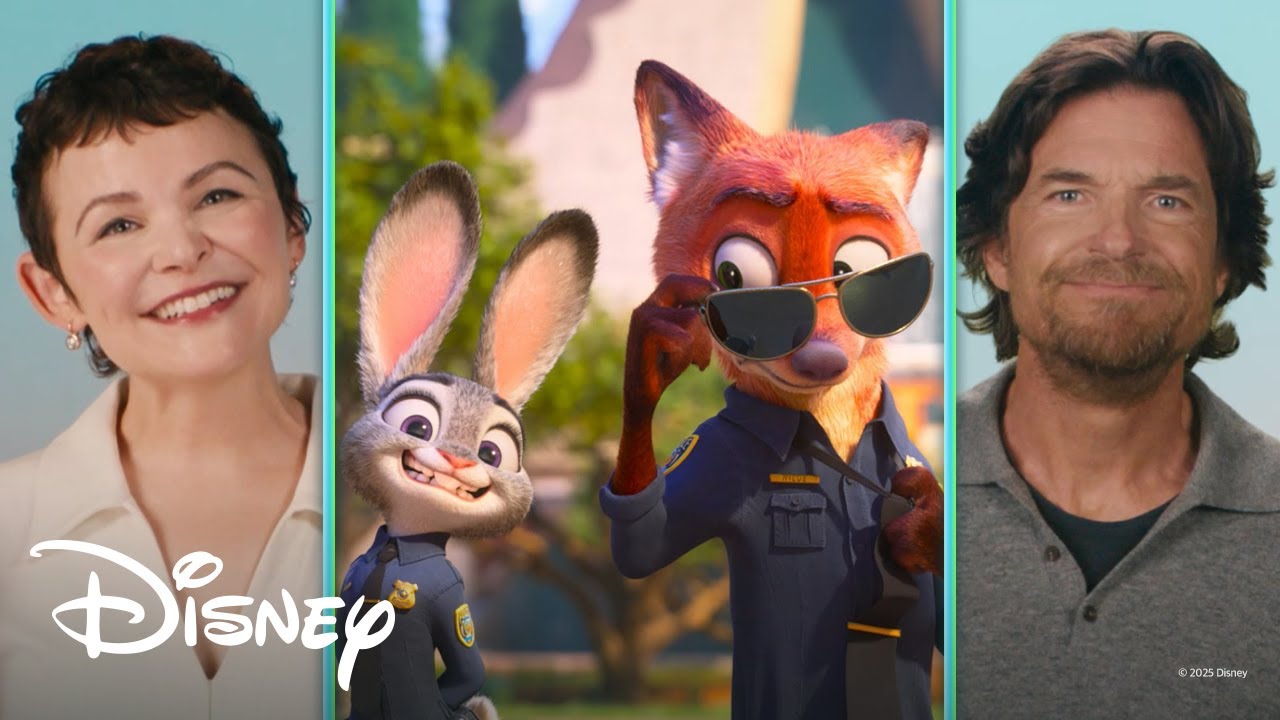
The ultimate buddy cops
The original architect of the “Zootopia” series is director Jared Bush, who currently serves as Chief Creative Officer at Walt Disney Animation Studios. A Harvard graduate with a background in English literature, Bush initially conceived the world of “Zootopia” with an emphasis on genre conventions drawn from spy thrillers and police procedurals. The first film begins when a city designed as a harmonious haven for all animals is shaken by a string of disappearances involving only predators. Behind the mystery lies a sinister force intent on destabilizing the social order and sowing division. The sequel continues this trajectory with an equally grave revelation: a technology known as the climate barrier, designed to preserve a city where everyone can live safely, is gradually exposed as a system that pushes certain animals toward extinction. Once again, it is up to Judy Hopps and Nick Wilde to uncover the truth. Across both films, their adventures evoke the spirit of classic Hollywood buddy-cop movies—action-driven pairings reminiscent of “Beverly Hills Cop” or “Lethal Weapon.”
And yet, “Zootopia” offers something those predecessors never quite did. The relentlessly optimistic rabbit officer Judy and the sharp-minded fox cop Nick return from the first film having solved a major case and firmly established themselves as the city’s premier police duo. That Nick—a former street hustler—was able to wear a badge at all is the result of Judy’s unwavering trust and support. What Judy and Nick ultimately come to realize through their investigation is simple yet profound: real change begins with oneself. In the process of preventing a crisis that threatens the city, they succeed not only in dismantling prejudice held by fellow officers and family members toward rabbits and foxes, but also in confronting and healing their own long-held emotional wounds. By blending contrasting personalities—optimism and cynicism—they grow into a partnership greater than the sum of its parts. In the closing moments of the first film, Judy addresses the audience with a message that encapsulates the spirit of the series: we all have flaws, and we must learn to understand and respect one another’s differences; the more earnestly we try to do so, the more inclusive we become. It is the central thesis of “Zootopia,” giving the series a relevance that extends far beyond animation. A healthy, better society is sustained by respect for diversity. In this sense, “Zootopia” offers a lesson that pure action spectacles—those concerned only with catching the bad guy—rarely manage to deliver.
Expanding the scale of action spectacle
If “Zootopia” was shaped like a thriller, methodically piecing together clues from a mysterious disappearance case, “Zootopia 2” dramatically escalates the scale of its action. This time, Judy and Nick move through the story disguised and undercover, generating a tension more reminiscent of a spy film than a conventional animated feature. Their exploits are staged with such bravado that they inevitably call to mind iconic adventurers like James Bond or Indiana Jones. From the film’s opening moments, the ambition is unmistakable. A high-speed car chase unfolds at a breathtaking pace, followed by large-scale pursuit sequences racing across vast desert landscapes. The spectacle grows ever more sweeping, with scenes that place tens of thousands of animals on screen simultaneously. Entirely new climate zones—never seen in the first film—come into play, including deserts and snow-covered terrains that serve as backdrops for elaborate action set pieces. The sequel also introduces fresh environments that extend the physical and imaginative scope of “Zootopia” itself. A wetland market inhabited by marine animals becomes the stage for inventive underwater action, adding a visual texture rarely attempted in Disney animation. Completed with a reported production budget of $150 million—the largest in the history of Walt Disney Animation Studios—“Zootopia 2” stands as the studio’s most ambitious animated undertaking to date.
The true value of “Zootopia”: Coexistence and a society that respects difference
Ultimately, the most resonant message the “Zootopia” series delivers is a vision of a society built on respect for diversity—one that embraces different values rather than demanding conformity.
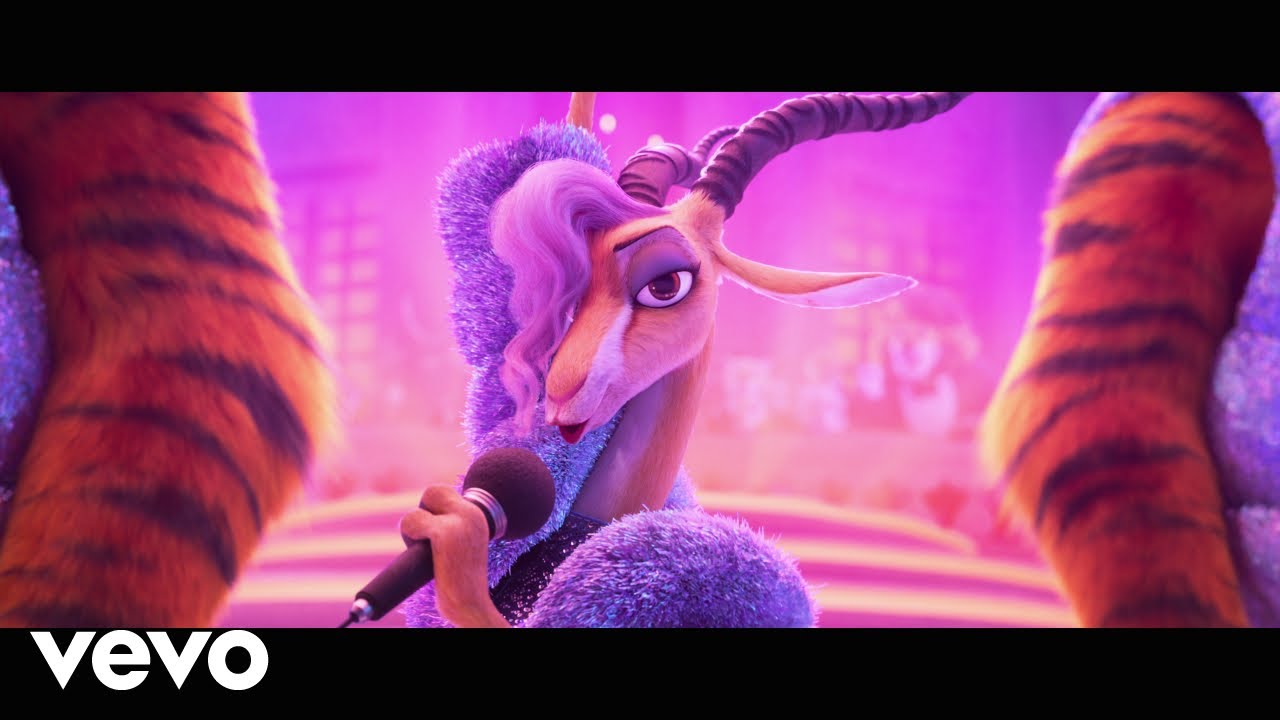
Zootopia is the world in which the lyrics of “Try Everything,” the original soundtrack song performed by Gazelle, the city’s most beloved pop star, are brought to life. “I messed up tonight. I lost another fight. I keep falling down, I keep on hitting the ground. But I always get up now to see what's next. Nobody learns without getting it wrong. No, I won’t give in ‘til I reach the end, and then I’ll start again.”
Judy, who insists on writing a daily journal to reflect on her day after work, and Nick, who decompresses by collapsing onto the couch and watching television the moment he gets home, could hardly be more different. Yet it is precisely this contrast that generates their remarkable chemistry. Whether their relationship might eventually evolve into romance in a third installment is left deliberately to the audience’s imagination. Still, the theme song of “Zootopia 2,” “Zoo,” offers a teasing hint: “It's all about finding love, sometimes hard to come by. But when it comes to us, it's always a good time.”
Though no official announcement has been made, the film’s post-credits scene quietly plants seeds for what may come next. Fans have already begun speculating that future installments may finally bring avian characters—thus far absent from the series—into the spotlight.