In December 2024, Charli xcx received a text from filmmaker Emerald Fennell. The two had met before, but they weren’t particularly close. Fennell asked her to read the script for “Wuthering Heights.” She wondered if there might be anything in it that Charli could translate into music—perhaps a single song for the soundtrack. Charli’s response was unexpected: “What if we made an album?” With that, the project that would become “Wuthering Heights”—a follow-up to “brat”—quietly began to take shape.
In 2024, “brat” was more than just a hit record—it was a cultural phenomenon. The album turned Charli xcx into the headliner of nearly every festival and party imaginable, suddenly making her one of the busiest pop stars in the world. Which raises the obvious question: why would someone in that position volunteer to make a 12-track soundtrack album? Charli chose to answer that question herself. In November 2025, she launched a newsletter called “charli’s substack.” In her first post, “Running on the spot in a dream,” she spoke candidly about the creative fatigue that followed “brat.” She described the feeling of wringing the last drop from ideas she had been carrying for years—wanting to move forward while confronting the painful sense that she had run dry as a creator. It was at that moment that Charli found a new world in “Wuthering Heights.” In her own words, it was “raw, wild, sexual, gothic, British, tortured and full of actual real sentences, punctuation and grammar.” And, as she put it, it required no cigarettes and no sunglasses.
Now consider the other side of the exchange. How did Emerald Fennell’s script spark Charli xcx’s imagination in the first place? Fennell had already secured her place among the most provocative young filmmakers working today with her Oscar-winning debut, “Promising Young Woman,” and the fiercely divisive follow-up, “Saltburn.” Her take on “Wuthering Heights” was never meant to be a dutiful period piece. Instead, she has said that the goal was to recreate the feeling of reading the book for the first time as a teenage girl. In Fennell’s version, the revenge narrative that dominates the latter half of the novel is largely stripped away. What remains is the fatal, almost transcendent romance between Catherine and Heathcliff. It is easy to imagine that the film will also bear Fennell’s signature visual provocations. A conventional orchestral score would risk neutralizing that subversive impulse. What the project requires instead is music capable of bridging classic melodrama with a streak of modern destructiveness. Seen in that light, Charli xcx’s reaction to the script suggests that Fennell may have found exactly the right musician.
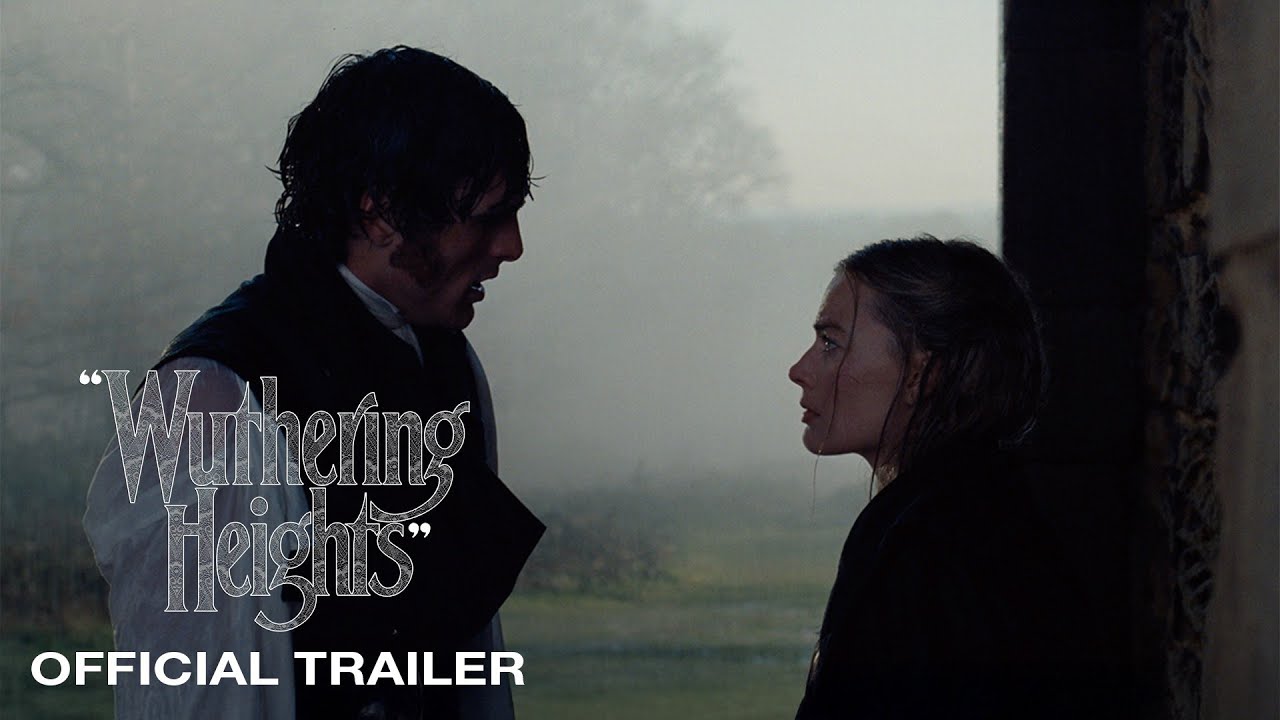
On February 13, 2026, the film and the album arrived simultaneously. At the precise moment when everyone expected Charli xcx to deliver the next phase of her pop dominance, she pivoted somewhere stranger. “Wuthering Heights” is not hyperpop, nor the kind of maximalism built for the club. Instead, Charli follows the aesthetic principle John Cale once articulated for “The Velvet Underground”: music that is “elegant and brutal.” To realize that tension, Charli’s longtime collaborator Finn Keane constructs a sound in which several incompatible textures collide: the melancholy of auto-tuned vocals, droning strings that hum like machinery, and sheets of feedback borrowed from industrial music.
The album announces its intentions immediately. The opening track, “House,” is practically a manifesto. Much of it unfolds as a spoken monologue delivered by John Cale himself. Over taut, razor-edged strings, he inhabits the role of an eternal prisoner locked inside the very world he created. Then Charli’s voice erupts—distorted, auto-tuned, almost screaming: “I think I’m gonna die in this house.” It’s a choice that prioritizes cinematic tension over the logic of streaming algorithms. “Wall of Sound” lives up to its title with overwhelming force. “Eyes of the World” features Sky Ferreira, returning after a long period of relative silence. Her ragged vocal presence and melancholic atmosphere merge with Charli’s modern metallic textures, as if the urge toward self-destruction were colliding with a desperate wish to break free from society’s suffocating gaze.
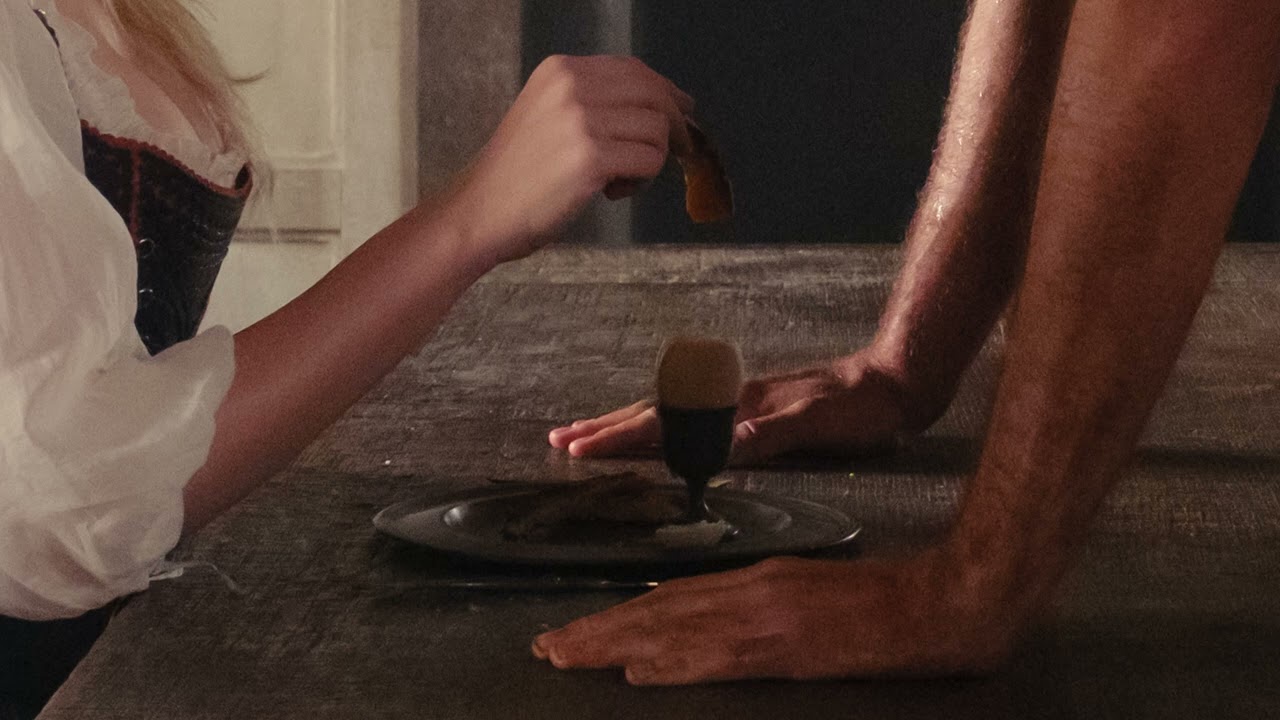
It is not hard to imagine that the very frame of a “soundtrack” offered a certain creative latitude. As a review in “Slate” observed, Charli xcx was likely drawn not only to the script for “Wuthering Heights,” but also to the opportunity it presented: a convenient pivot point after “brat.” The party-girl persona gives way to something darker—an atmosphere closer to a candlelit, crumbling seaside mansion. Stripped of the contemporary pop references that animated “brat,” the album underscores an artist who is willingly dismantling the commercial framework she had so successfully built to move toward the next phase of her work. Yet it would be misleading to say that “Wuthering Heights” exists merely to be “different.” In fact, the album reveals a more intriguing point of connection: it resonates less with “brat” than with the earlier work that preceded it.
The album ultimately functions as a spiritual successor to "True Romance,” Charli xcx’s 2013 debut. Charli herself has described the two records as something like sisters. “True Romance” earned early acclaim for its dark gothic-pop sensibility, earnest melodrama, and mood-drenched synth arrangements. More than a decade later, the soundtrack revisits the debut’s sense of melancholy yearning and avant-pop instinct—only now on a far more mature scale. If “True Romance” captured a young artist processing heartbreak through internet culture and lo-fi electronic textures, “Wuthering Heights” replaces that digitally synthesized sadness with something more tactile: the creak of a haunted manor, conjured by a living string quartet and the presence of legendary guest collaborators. What emerges is a realization that Charli’s youthful gothic melancholy was never merely a passing phase. It was, in fact, a foundational element of her artistic identity—one that finally finds its full expression here, expanded to cinematic scale.
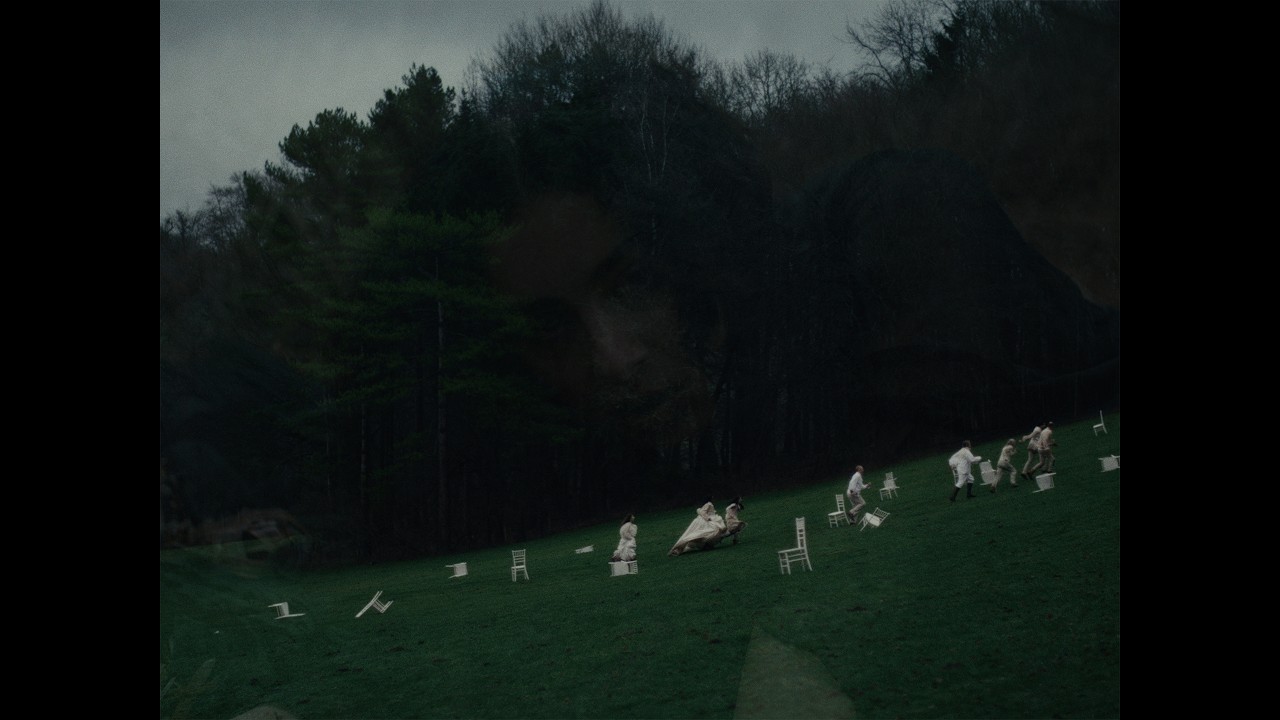
This also explains why “Wuthering Heights” ultimately works better as an independent record than as something merely subordinate to the film. Emerald Fennell’s adaptation of “Wuthering Heights” is, beyond its script, a lavish visual spectacle: high fashion conspicuously out of step with the period, Catherine’s bedroom walls textured to resemble human skin. Within that world, Charli xcx’s music refuses to remain just another element of contemporary spectacle—or to be reduced to the controversies that spectacle might provoke. Instead, it absorbs itself directly into the novel’s originality and tragedy. In doing so, the album completes, in its own “elegant and brutal” way, the film’s central intention: to focus on the destructive romance between Catherine and Heathcliff. The music is as beautiful as its string arrangements, yet as painful and corrosive as its industrial textures.
Seen from this vantage point, we can finally understand what was unfolding behind the scenes while Charli xcx spent much of 2025 slowly—yet decisively—bringing the “brat” era to a close. She was testing the limits of her own creative force, proving that it could blaze not only under the strobe lights of a nightclub but also within the shadows of literary tragedy. In the meantime, “brat” itself has corroded, worn down, and burned away. And Charli xcx is ready for the next stage.